Driving in Cyprus: What the Road Reveals
I had no idea Cyprus had roads like this.
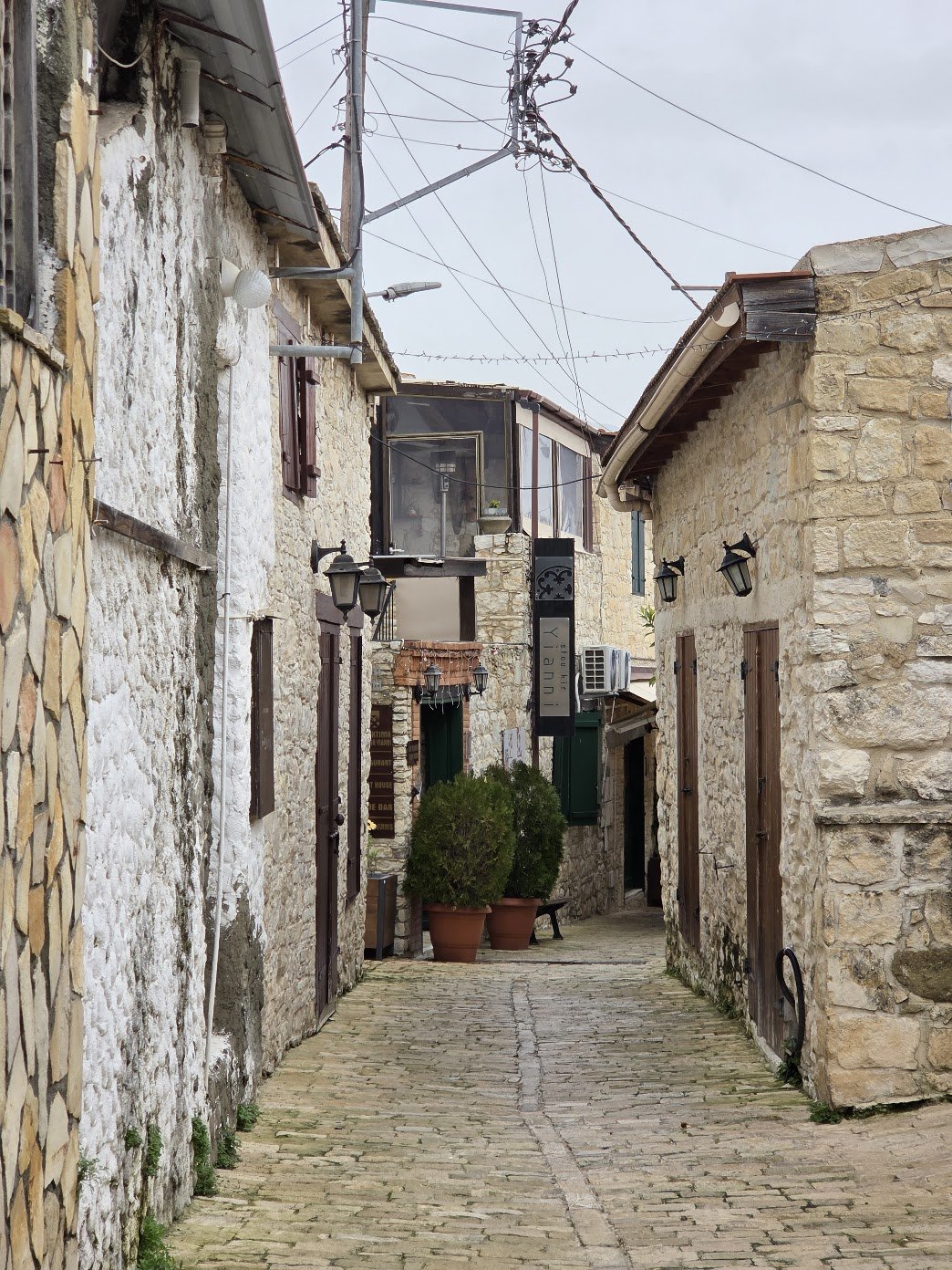
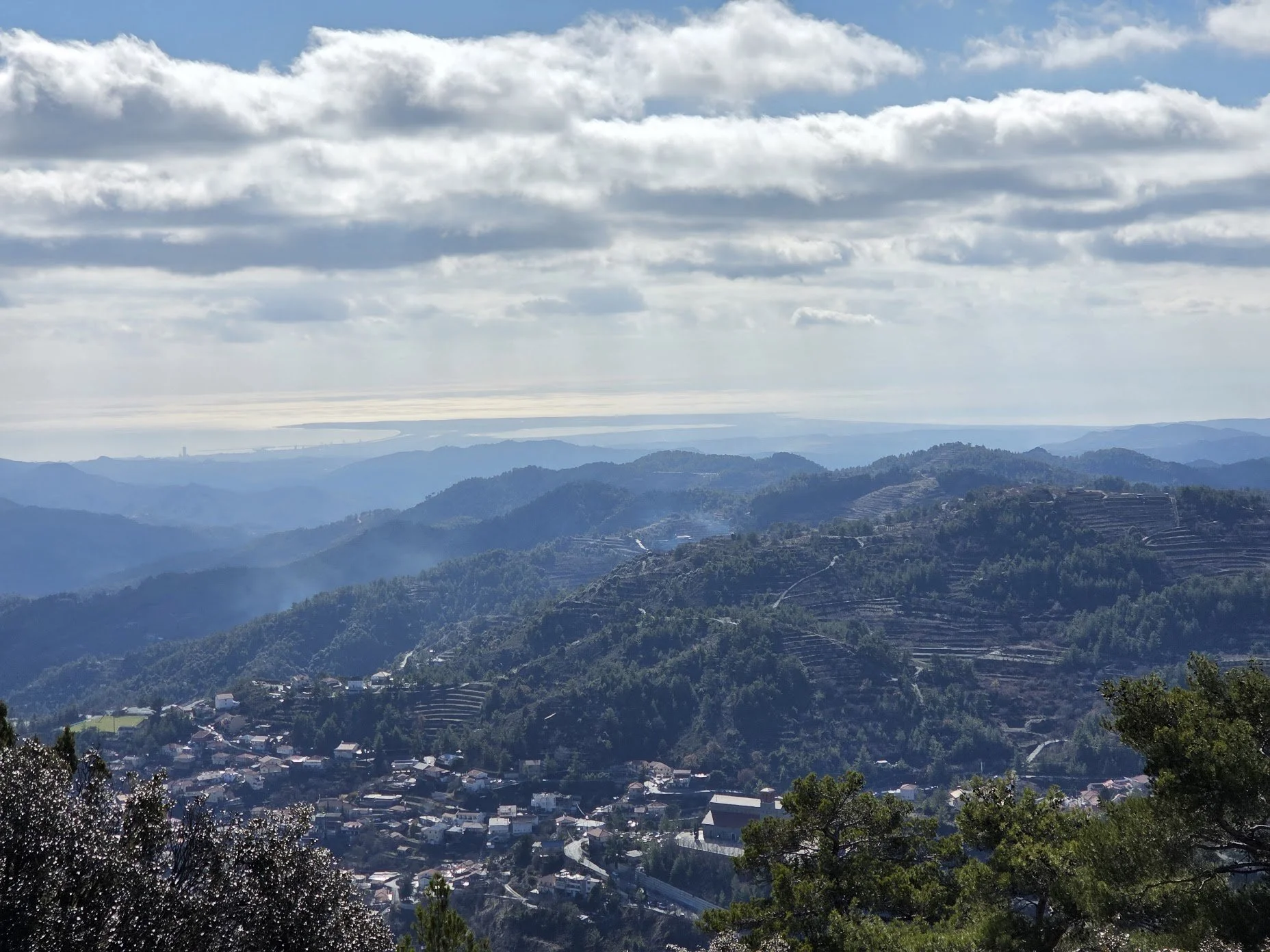
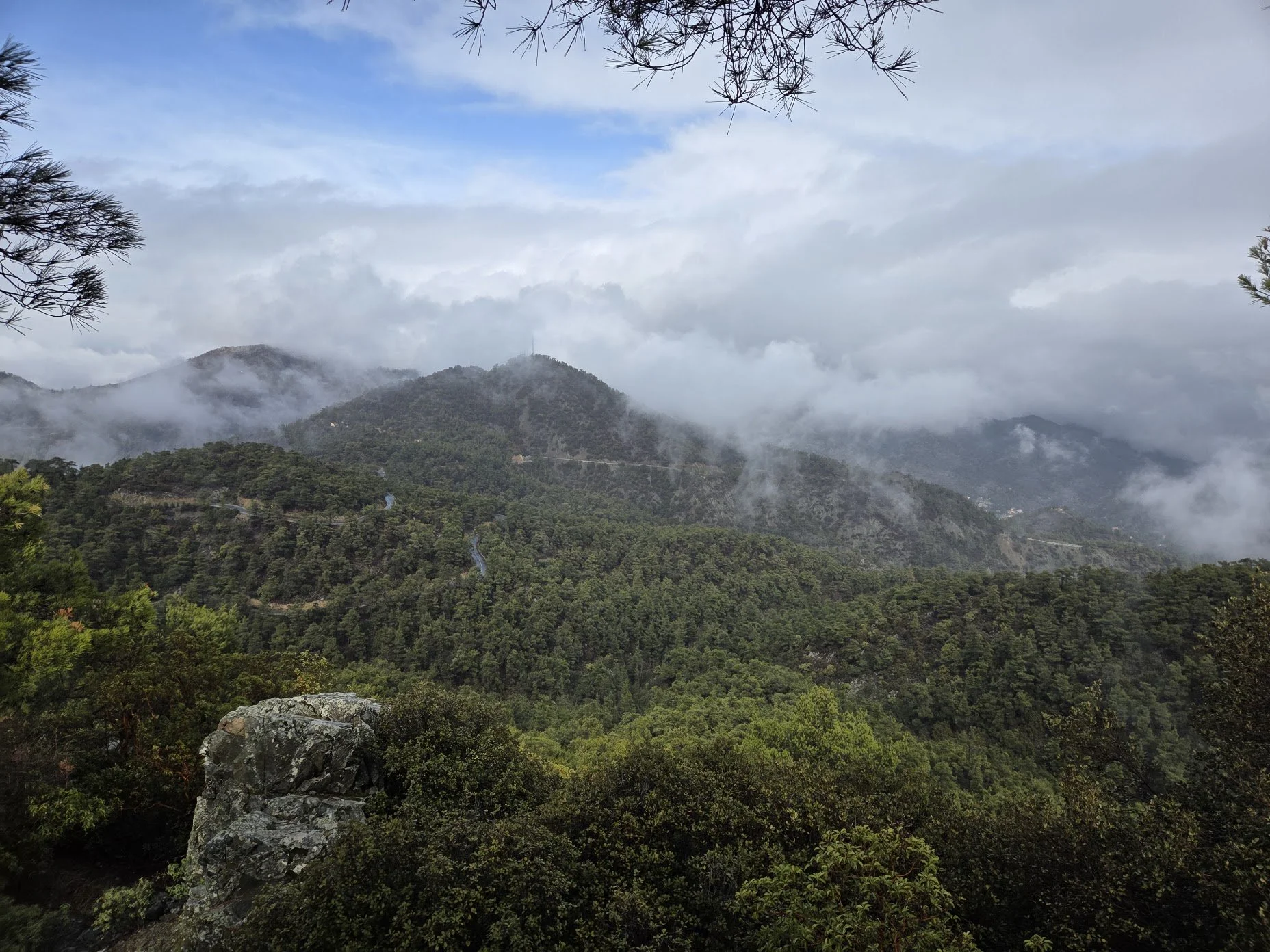
We were heading to a winery in the Troodos Mountains, passing through a small village that felt suspended in time—stone walls, narrow lanes, the sense that nothing here had been optimized for visitors. And then, the village ended, the buildings fell away, the trees closed in. Suddenly we were in the forest, on a ribbon of road that felt discovered rather than designed.
Cyprus is old in a way that’s hard to grasp until you feel it under your tires. Geologically, parts of the island have been above sea level for nearly 10 million years. People have lived here for almost 14,000 years. For comparison, Hawaii’s Big Island is roughly half a million years old, still deciding what it wants to be. Cyprus already knows.
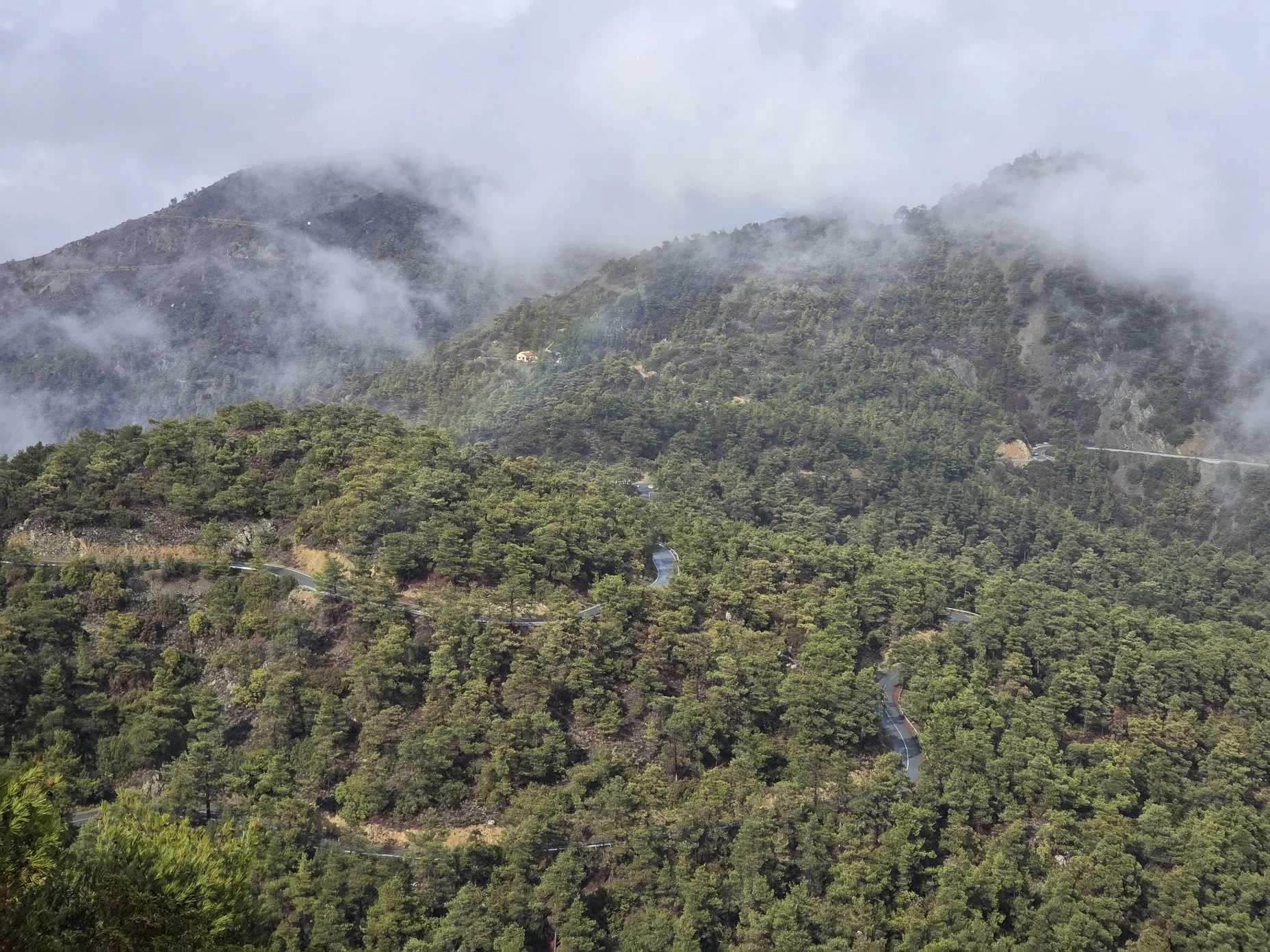
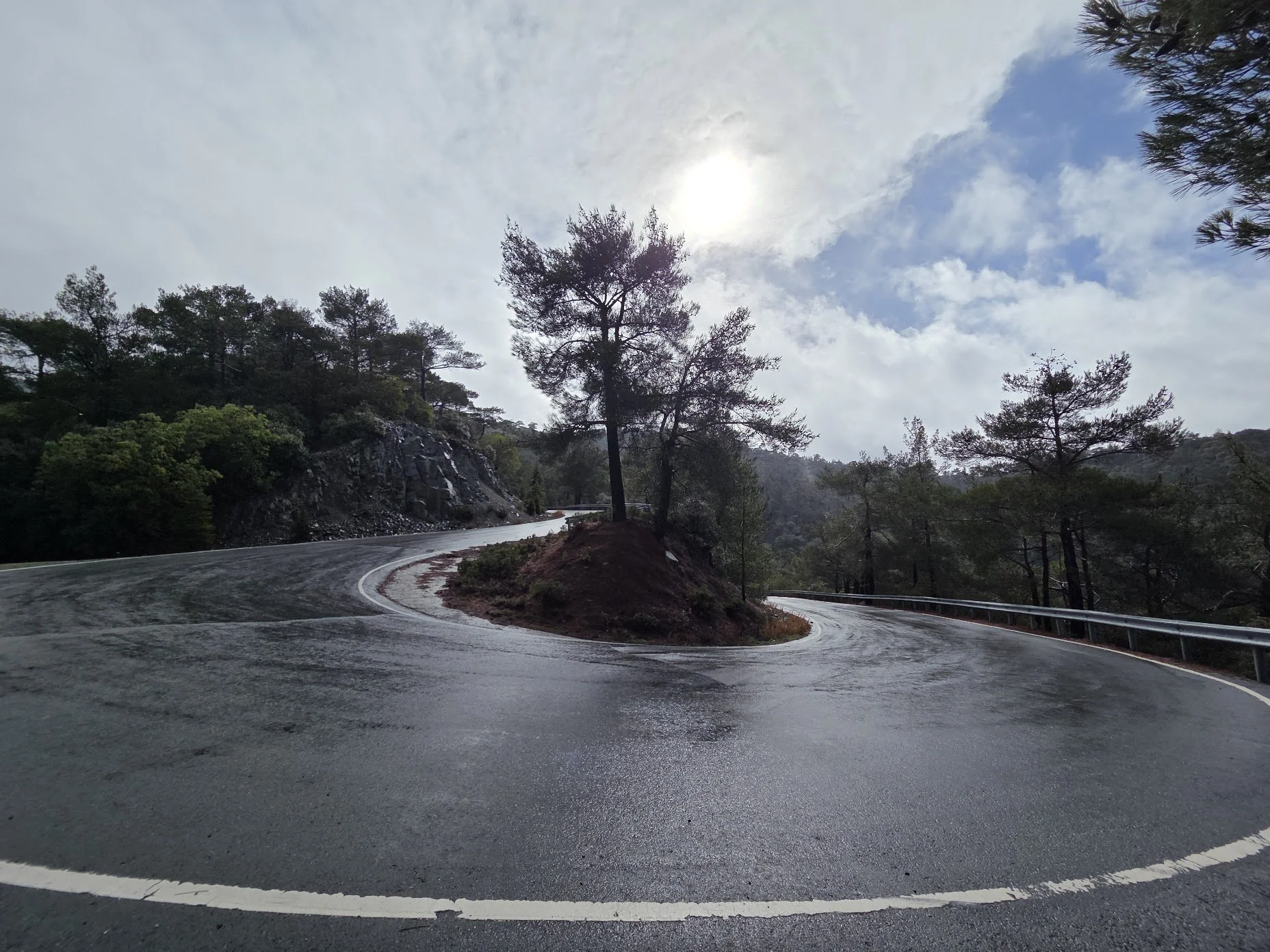
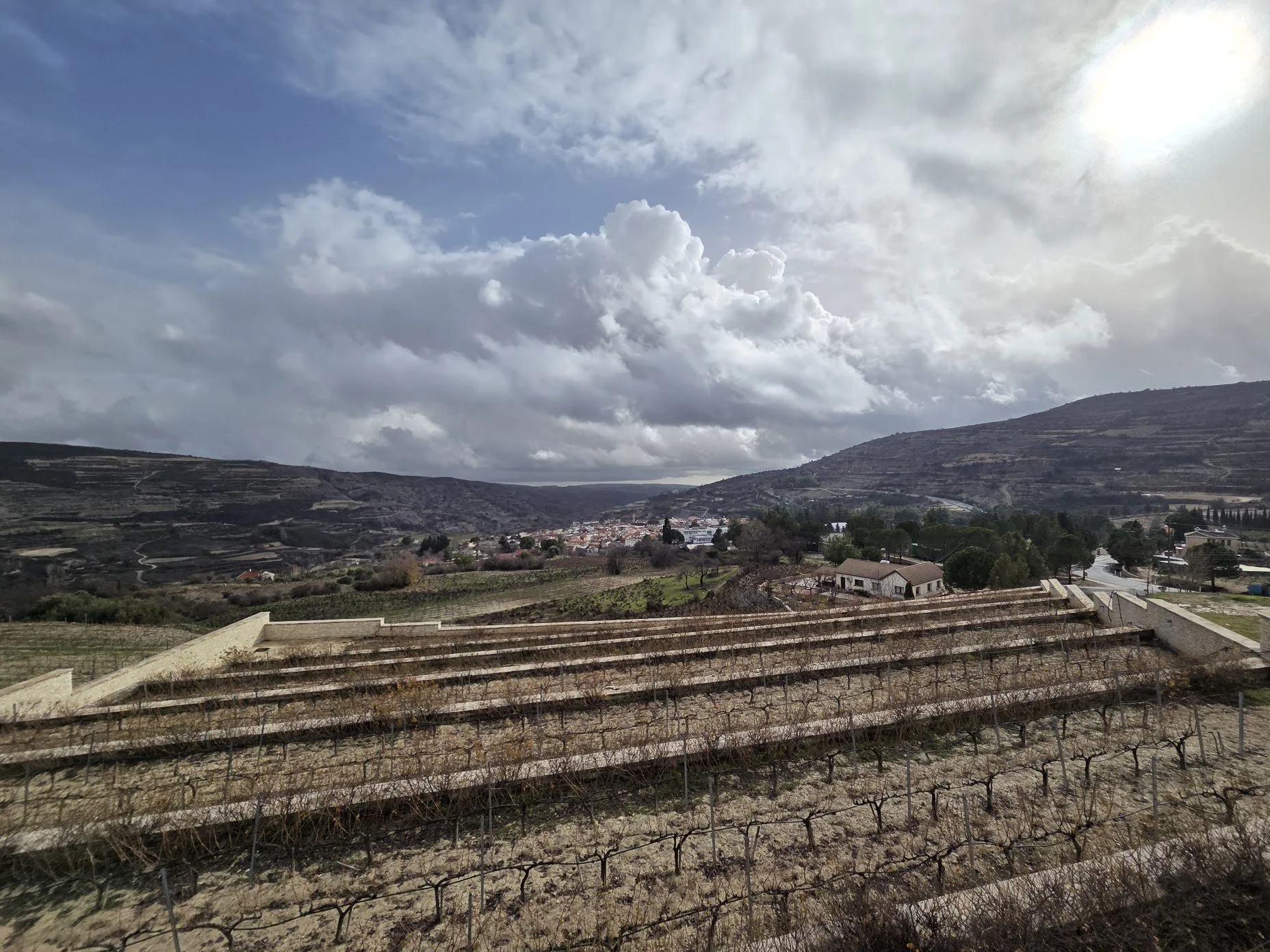
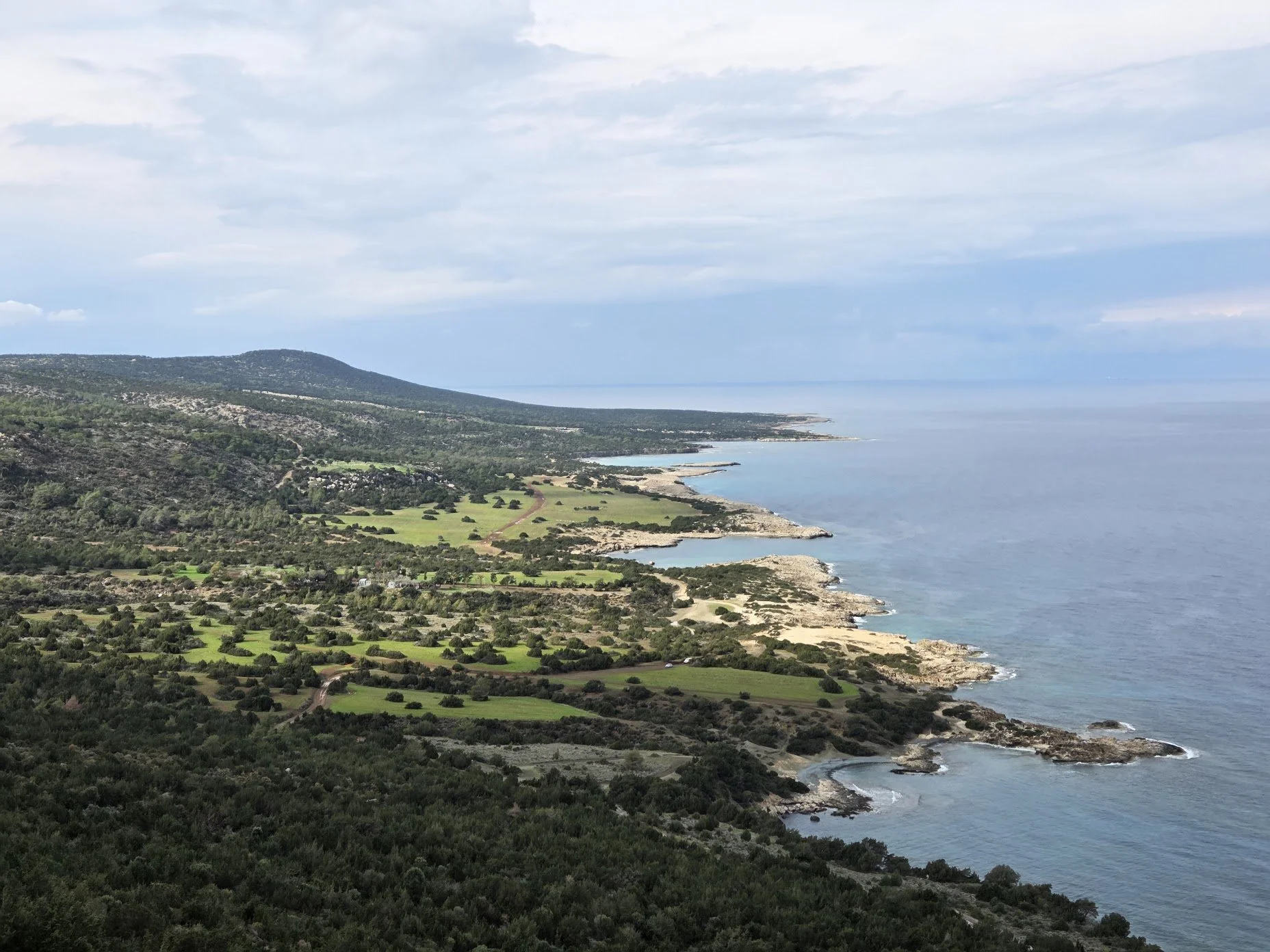
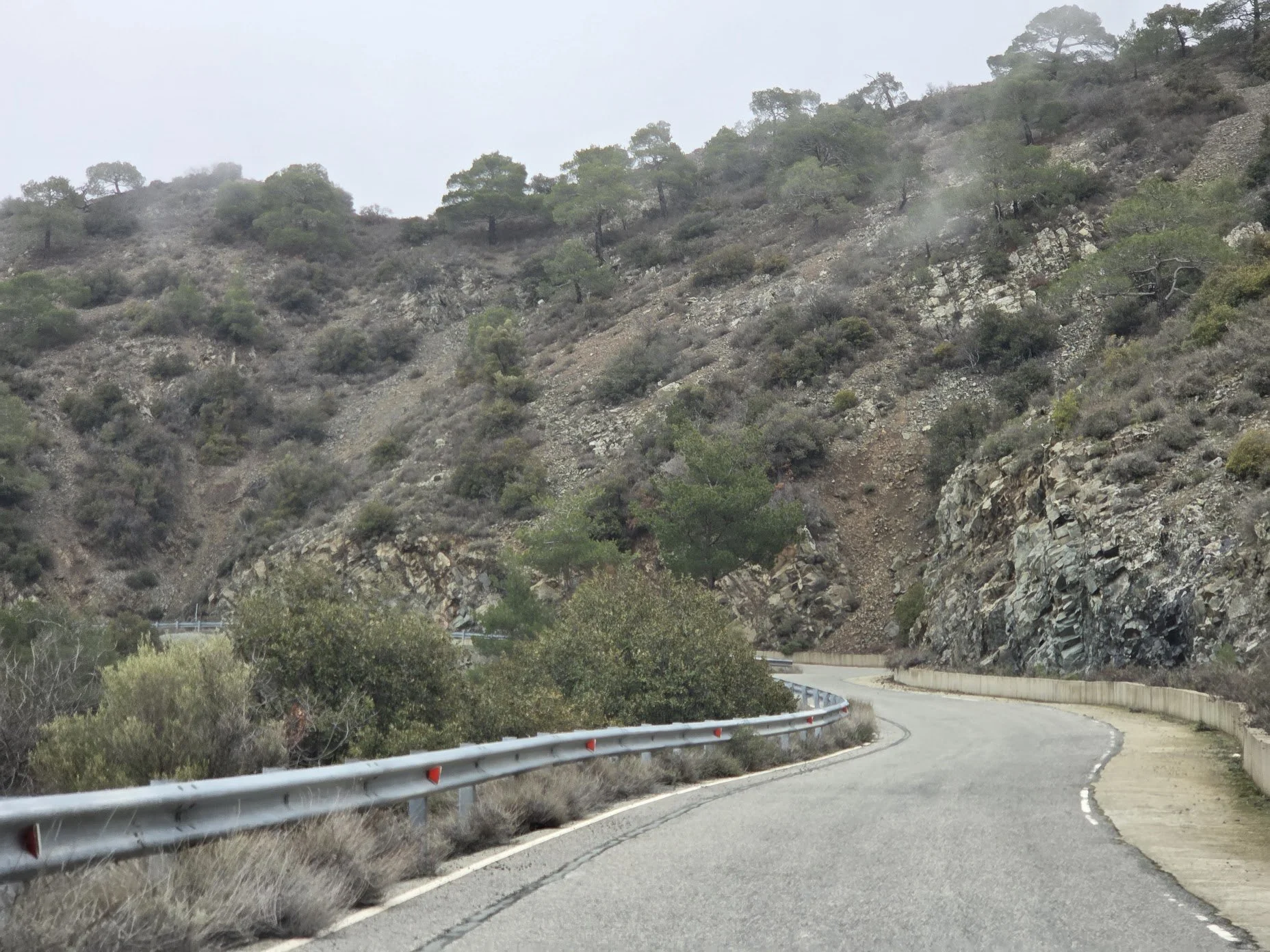
It has long been described as the playground of the gods, and the roads reflect that mythology. The mountains rise sharply from the Mediterranean, rugged and compressed, as if still fighting the sea for permission to exist. Roads negotiate with this landscape rather than dominate it. They lie like sinew, slipping through wherever the mountains allow, sometimes narrowing to a single lane, sometimes disappearing around a blind bend with no interest in modern safety theater. The roads don’t announce what’s coming. Many corners have no suggested speed. Sometimes there’s a vague arrow, sometimes nothing at all. No flashing warnings, no overprotective signage. The road simply turns, and you’re expected to be paying attention. It’s an invitation to read the surface, the camber, the trees, the light—rather than rely on instructions.
These are not roads that flatter power. They are roads that expose compromise. A full-fat supercar would struggle here—too wide, too stiff, too precious. These roads punish excess weight and reward agility. They reveal which manufacturers chased numbers and which chased balance. They remind you that devotion to lightness and feel is not a romantic idea, but a practical one.
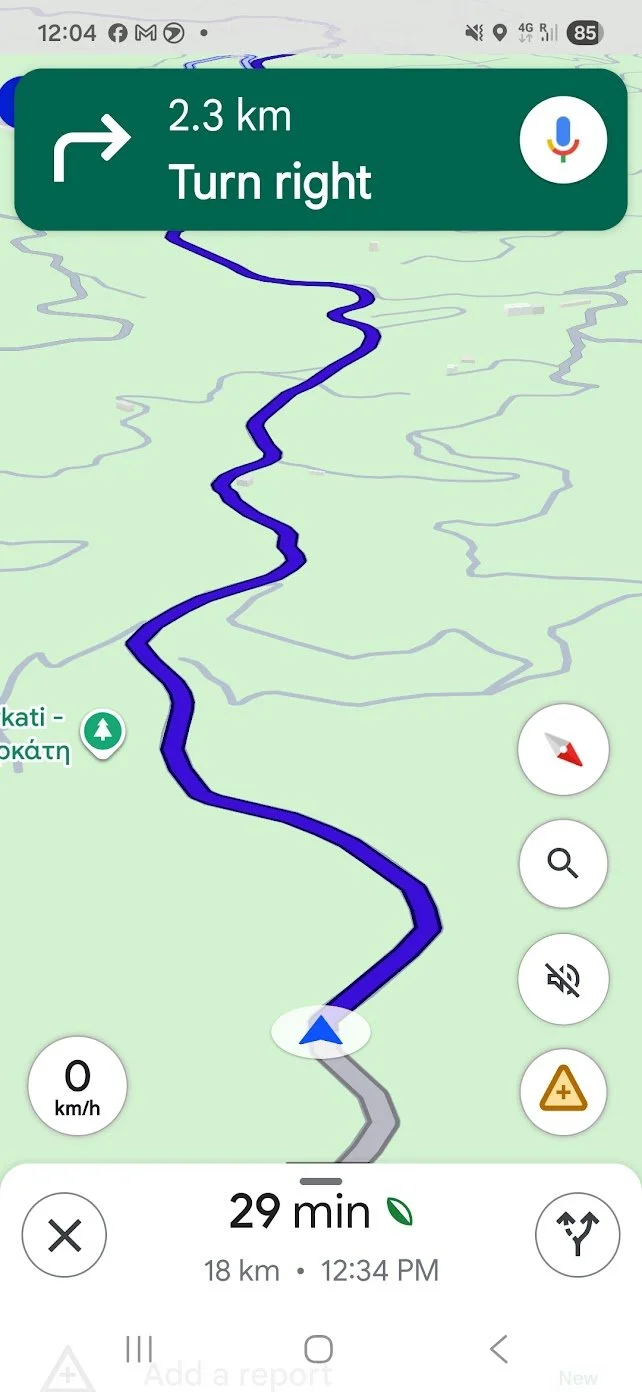
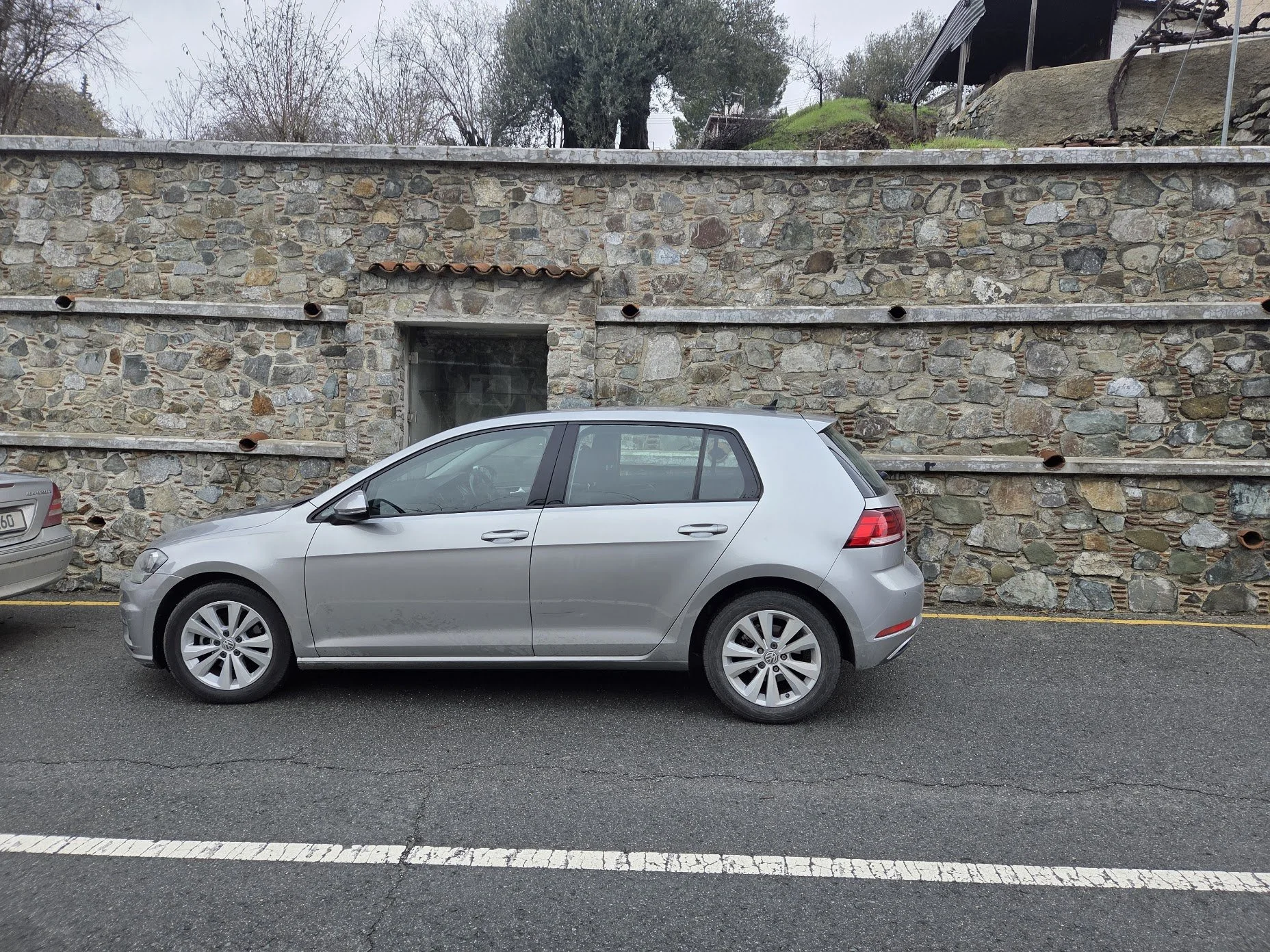
I was only in Cyprus temporarily, which meant my options were limited. I ended up with the most honest tool imaginable: a manual hatchback. No pretense. No drama. It was perfect.
There was very little acceleration to speak of, which changed everything. Speed wasn’t something you summoned, it was something you carried. The fun came from flowing through the turns, feeling the weight transfer, letting the car move and then settle beneath you. The roads were often slick—dust, moisture, stone polished smooth by time—so ultimate grip mattered less than communication. Steering feel, pedal modulation, the subtle dialogue between tire and surface. This was slow-car-fast driving in its purest form.
There was no pressure to chase that extra tenth. Speed is irrelevant here; what matters is rhythm—the simple pleasure of reading the road and letting it talk back. You have to trust your inputs and accept the response without argument. After my first drive, I went back the very next weekend, pulled in by the clarity of it all. Eventually, yes, I did manage to put one of the rentals into limp-home mode, but honestly, it felt more like a badge of honor than abuse.
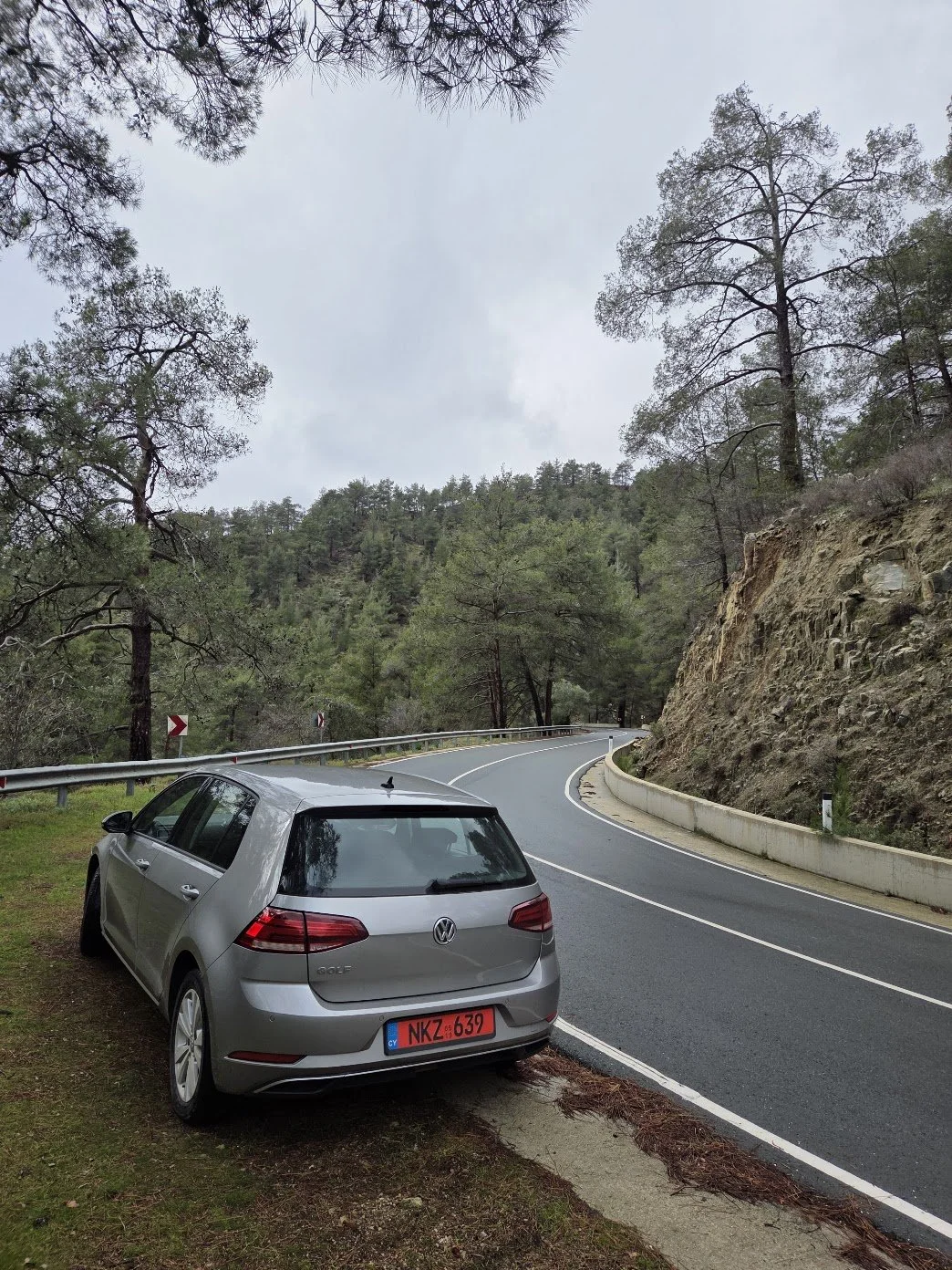
Driving in Cyprus recalibrates you. Your shoulders drop, your breathing slows. You stop thinking about destination and start thinking about placement: where the tire meets the road, where the road disappears into shadow, where the forest opens just enough to reveal the sea far below. This island has watched countless empires arrive convinced of their permanence, only to fade away, layer by layer. The roads remember that and they aren’t here to flatter your ego. All they ask is that you show up, pay attention, and participate.
In Cyprus, driving isn’t about mastery. It’s about listening and enjoying good conversation.
And one final note if you do visit: Cypriots maintain a fairly relaxed relationship with the rules of the road. Concepts like staying in your lane or respecting the center line are best understood as…gentle suggestions.