Presence and Precision: How National Culture Shapes Japanese and German Luxury Cars
I recently got a text from an old friend: “So…I just bought a Toyota Century.” For most people, that name would mean nothing—or worse, conjure images of another bland people mover. In reality, it’s one of the most quietly radical luxury cars still in production. In a globalized automotive world, the Century remains stubbornly, intentionally Japanese; a distillation of cultural values expressed through steel, lace, and restraint.
That distinction makes it a fascinating foil to Germany’s flagship luxury sedan, the Mercedes-Benz S-Class. To understand why these two cars feel so distinct, it helps to step outside the spec sheet. Hofstede’s cultural dimensions theory offers a useful framework for comparing how national cultures think about hierarchy, risk, and individuality—and how those beliefs quietly shape what luxury looks like.
Key Cultural Differences: Japan vs. Germany
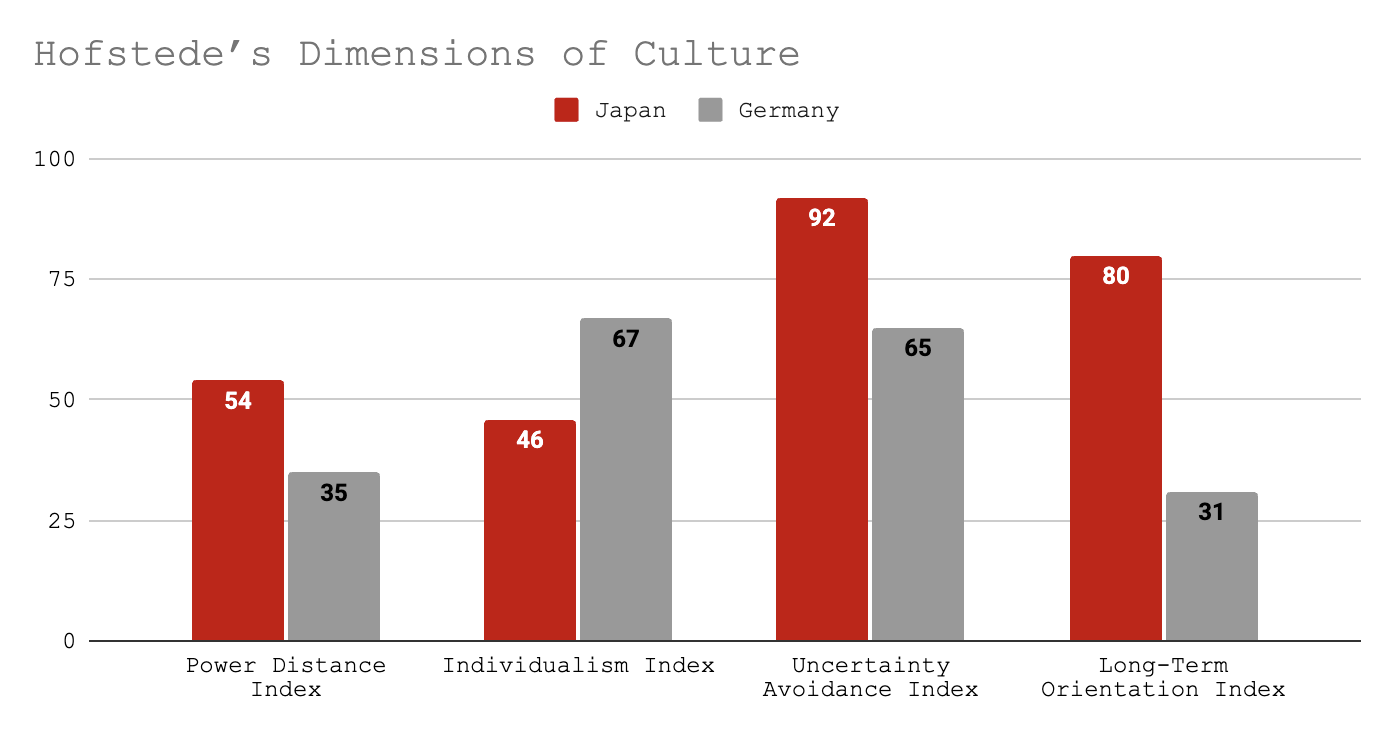
While exact scores vary slightly by source, generally accepted patterns are:
Power Distance: Japan has a moderately high acceptance of social hierarchy (54), meaning respect for rank and status is part of everyday behavior. Germany, by contrast, scores lower on power distance (35), reflecting a more egalitarian social structure.
Individualism vs. Collectivism: Germany is strongly individualistic (67); personal achievement and self-expression are cultural norms. Japan leans more collectivist (46), with greater emphasis on group harmony and situationally defined roles.
Uncertainty Avoidance: Both countries avoid uncertainty, but Japan’s score is significantly higher at 92 vs Germany’s 65. This suggests a preference for precision, predictability, and meticulous planning.
Long-Term Orientation: Japan also emphasizes long-term continuity and tradition (80), whereas Germany balances respect for history with pragmatic innovation (31).
These differences help explain why Japan’s flagship luxury car remains exclusive to its domestic market, meticulously crafted, and steeped in tradition. While Germany’s S-Class has evolved into a global benchmark for automotive technology and performance.
The Toyota Century: Harmony, Craftsmanship, and Subtle Authority
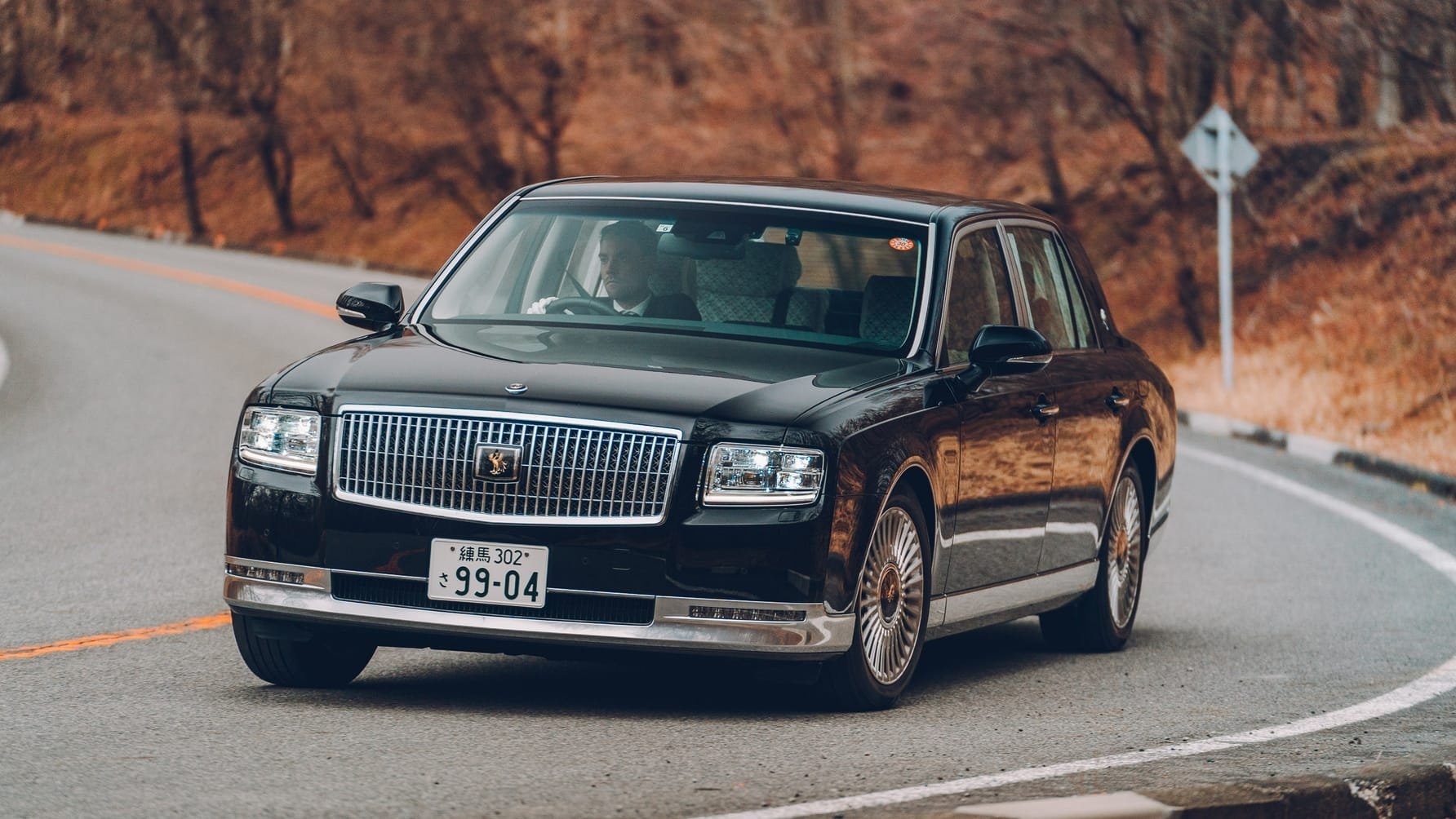
The Toyota Century is one of the few true luxury automobiles designed exclusively for the Japanese market, a rarity in today’s global car industry. Its existence, and the way it’s built, reveals a cultural commitment to precision, tradition, and quiet authority.
In Japan’s high uncertainty avoidance culture, predictability, order, and mastery over process are deeply valued. This translates into a vehicle built with painstaking care, not for spectacle, but for perfection in execution. Panels are hand-beaten to ensure absolute straightness, paint takes 40 hours to finish, and the brand uses traditional chamfering techniques (from Heian-period decorative arts) for the characteristic shoulder line.
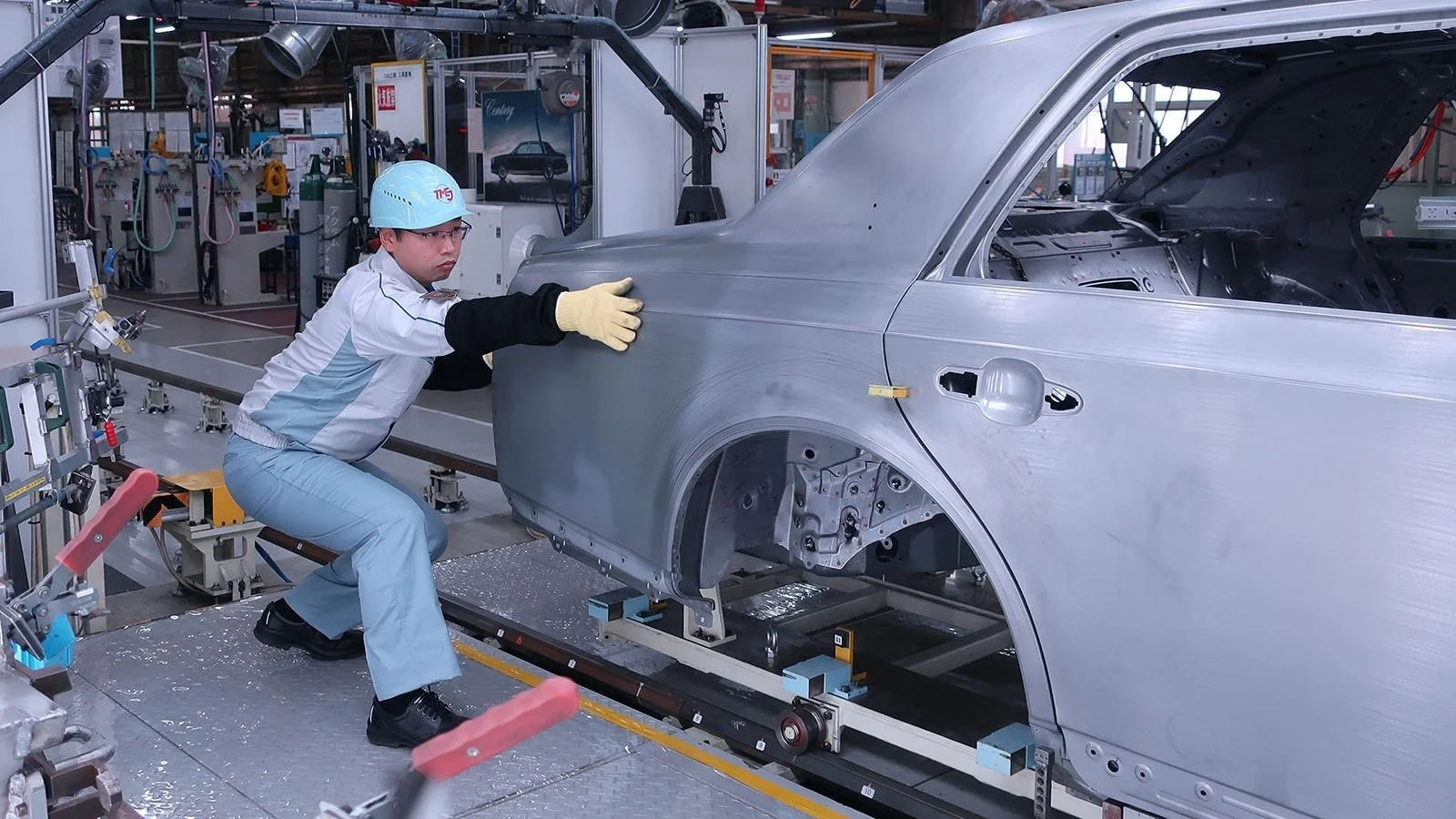
This respect for tradition and craftsmanship echoes Japan’s long-term orientation: luxury is not a flash of innovation but a slow, disciplined pursuit of mastery. The Century’s interior is defined by understated comfort: wool upholstery (optional) chosen for acoustics and comfort, lace curtains instead of tinted glass to maintain dignity, and a rear seating area designed to allow occupants to stretch without seeming indulgent (e.g. it’s only available by adjusting the front seat). These choices aren’t about ostentation; they’re about creating the right feeling at exactly the right moment.
Power distance also plays into the Century’s character. In cultures where hierarchy is accepted and respected, objects of status are not necessarily flashy—simply they are appropriate. The Century is often chauffeur-driven, symbolizing status through presence rather than performance. It doesn’t need to shout; it belongs by virtue of its craftsmanship and meaning.

Collectivism nudges the design toward harmony as well: everything in the Century’s design serves the experience of the whole cabin, rather than highlighting isolated tech features. In modern versions, screens exist but are restrained. Materials are chosen for collective comfort, not individual bravado. The result is a car that feels like a room designed to put everyone at ease; calm, intentional, and unhurried.
The Mercedes-Benz S-Class: Authority Through Performance and Innovation

In contrast, the Mercedes-Benz S-Class occupies a different cultural lineage. Germany’s lower power distance and higher individualism foster expectations of clarity, performance, and personal achievement. German culture values direct communication, expertise, and technical precision—principles that map naturally onto the engineering ethos of the S-Class. Unlike the Century, which is tailored to a specific cultural context, the S-Class is built for a global market. It has long served as a testbed for innovations that eventually become mainstream: advanced airbags, seatbelt pre-tensioners, cutting-edge driver assistance systems, and executive comfort technologies.
This reflects Germany’s approach with uncertainty. While Germans score relatively high on uncertainty avoidance, they leverage expertise and engineering to manage uncertainty, rather than avoid it entirely. The S-Class embodies this approach: cutting-edge tech is not just added for novelty; it’s applied with purposeful engineering rigor.
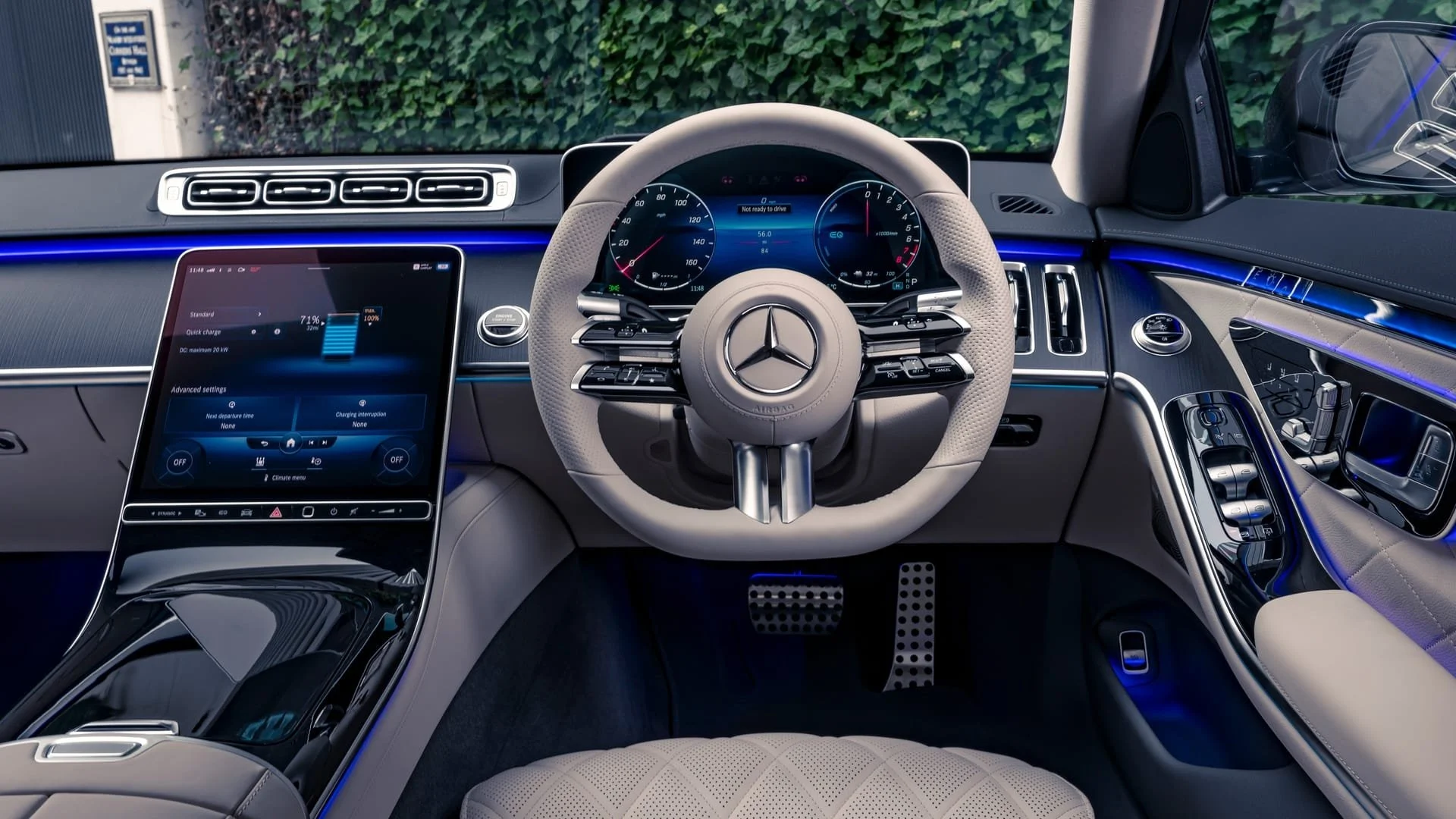
Where the Century hides technology behind materials and finish, the S-Class is much more direct. Large screens, driver assistance, and performance figures create an impression of capability and command. Germany’s individualism is present here too: the car feels like it is made for someone who expects autonomy and control, someone whose status is expressed through innovation, not subtlety.
Two Philosophies, One Luxury
What unites the Century and the S-Class is excellence. What divides them is how excellence is expressed.
The Toyota Century embodies luxury as serenity and precision; a crafted space that prioritizes harmony, understated refinement, and cultural continuity. The S-Class embraces luxury as performance and leadership; an object of innovation that signals capability, clarity, and influence to the world.
These differences aren’t accidental. They reflect how Japanese and German cultures relate to hierarchy, uncertainty, and individual achievement. Japan’s high uncertainty avoidance and long-term orientation produce a vehicle that values process, perfection, and presence. Germany’s individualism and engineering rigor produce a car that values innovation, performance, and personal command.
Luxury cars aren’t just machines, they are cultural artifacts. In the Toyota Century and the Mercedes-Benz S-Class, we see how national values—from hierarchy to uncertainty to individuality—quietly shape what luxury looks and feels like. These cars don’t compete so much as they converse.