London’s Pavement Gallery
Walk through Mayfair or Chelsea at dusk and the street becomes a curated exhibition.
An Aston Martin DBS crouches against Georgian brick.
A McLaren 750 glows beneath gray skies.
A Ferrari F12 tdf rests like a bronze casting left outside a museum after hours.
A Lamborghini Diablo SV burbles down a narrow lane.
They aren’t hidden behind velvet ropes. They’re simply parked. London is known for wealth, but wealth alone doesn’t explain this phenomenon. There are richer cities, there are flashier cities, but few treat the public curb as an open-air gallery quite like this.
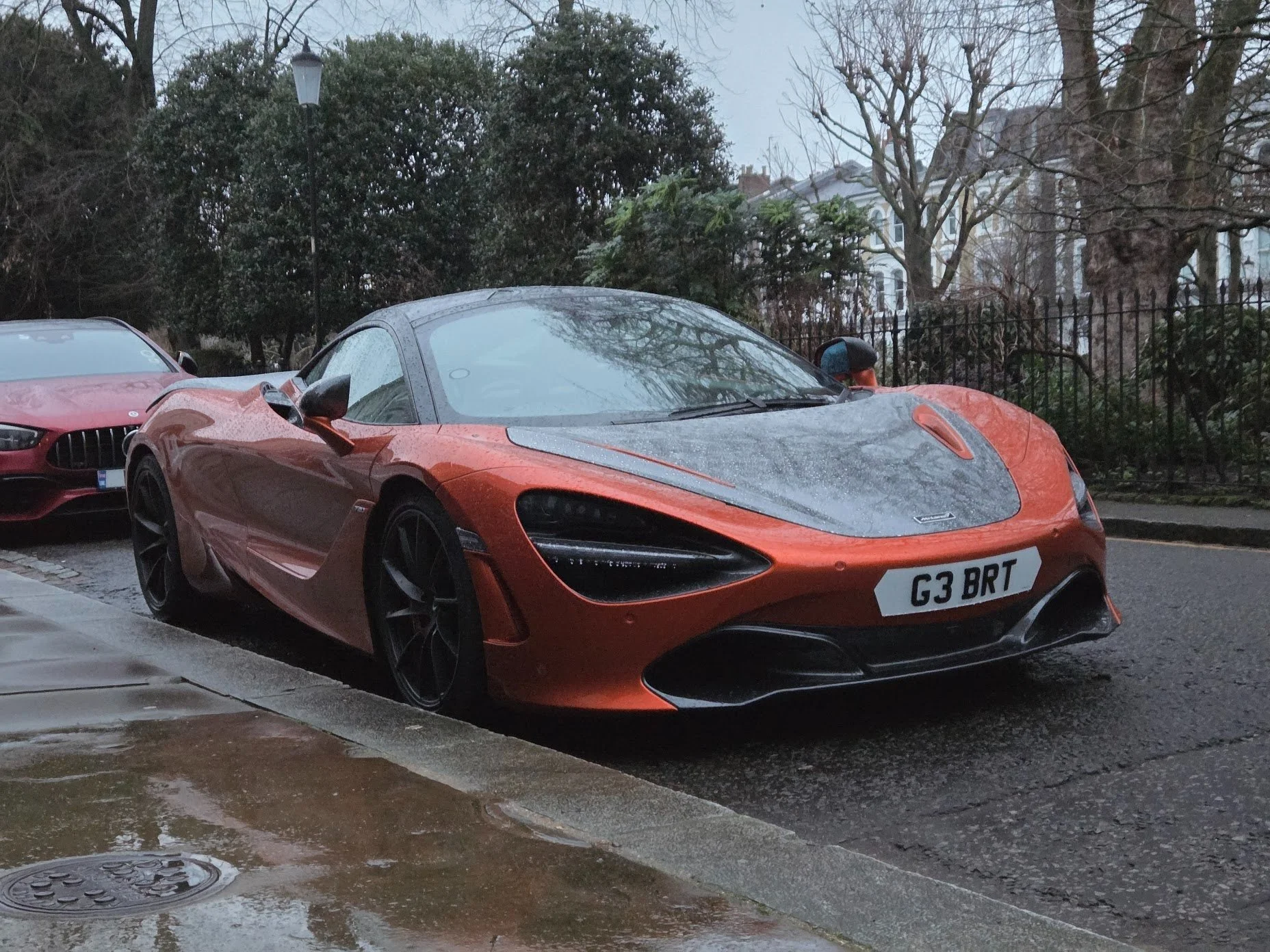
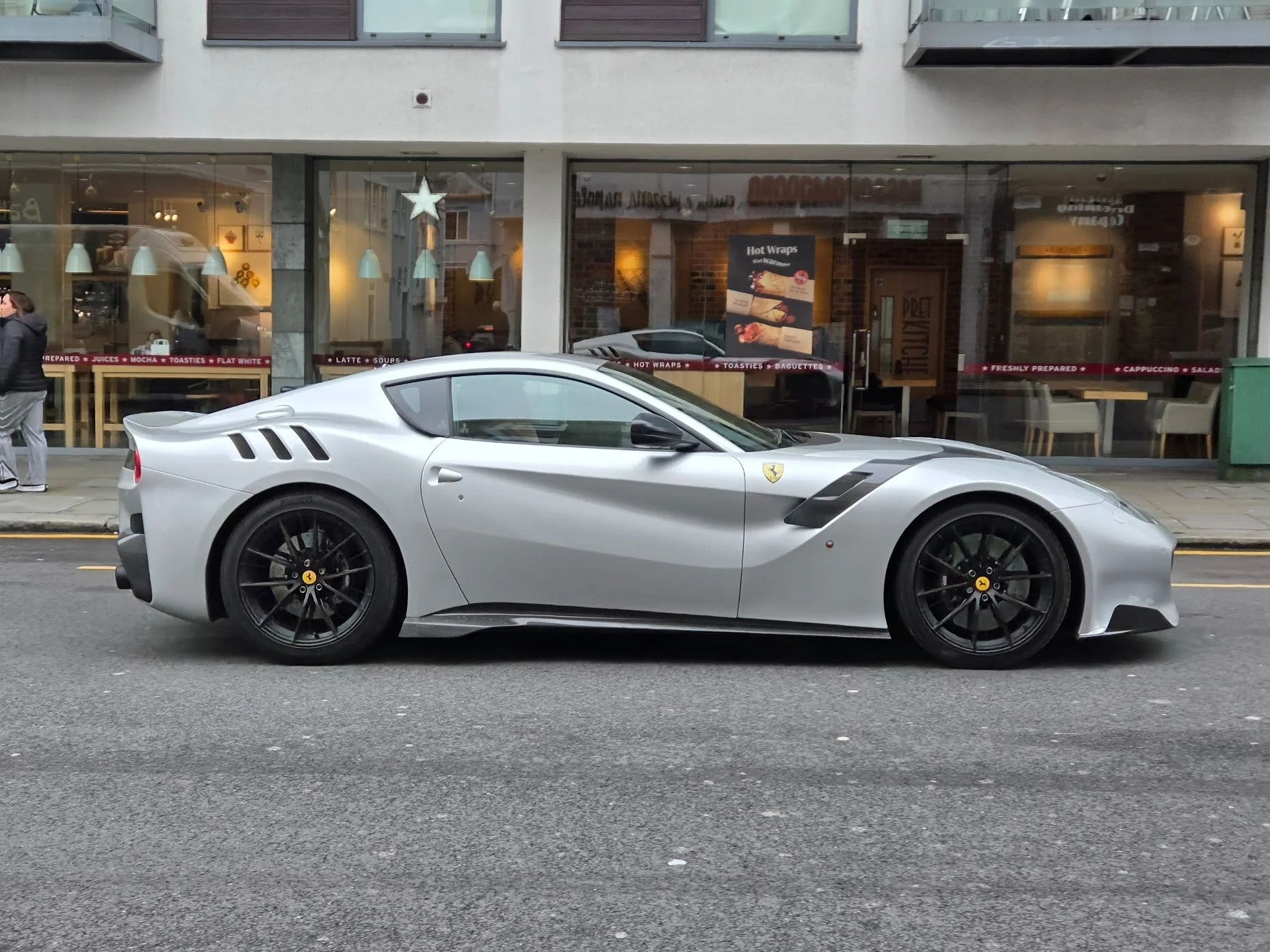
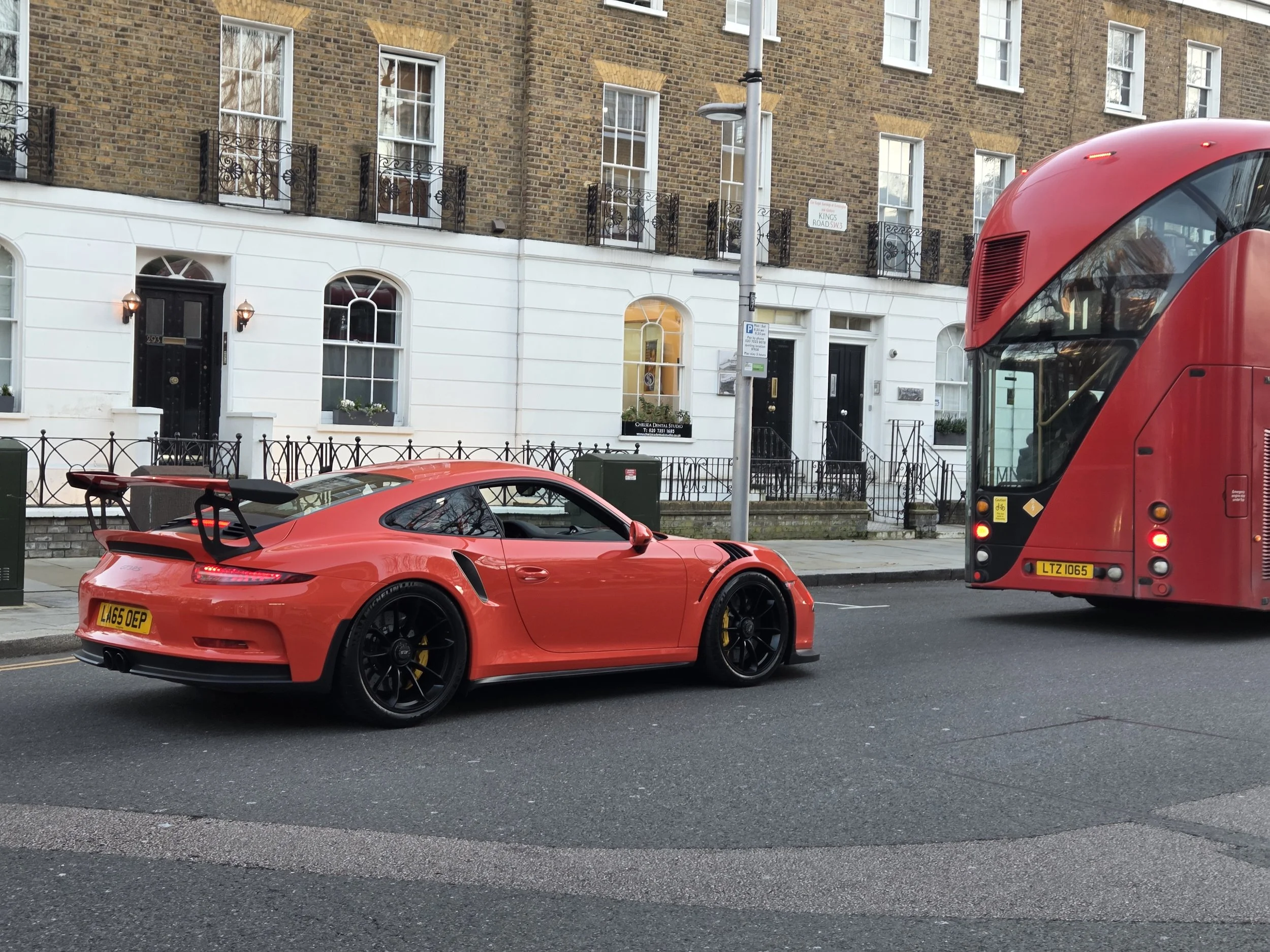
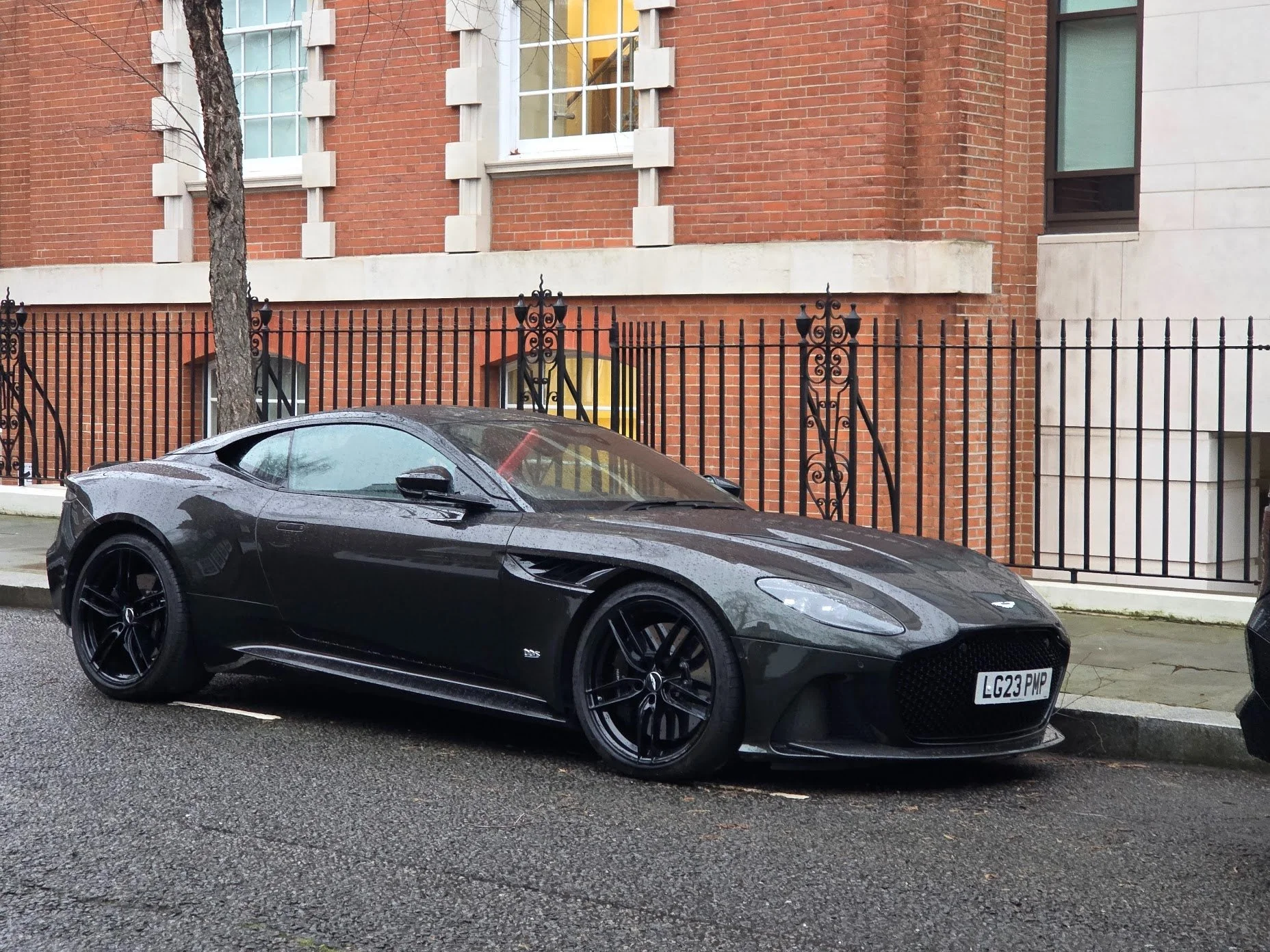
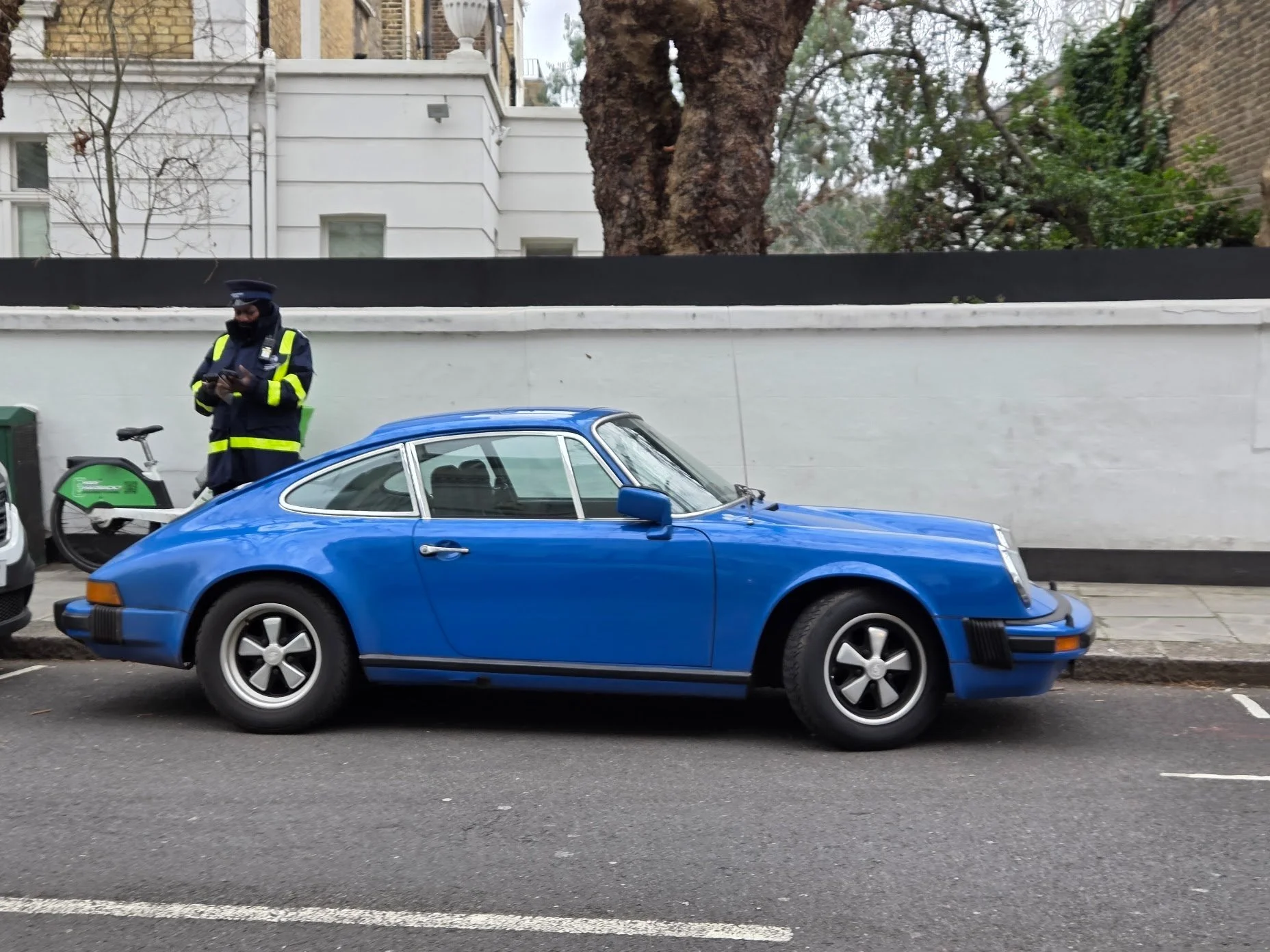
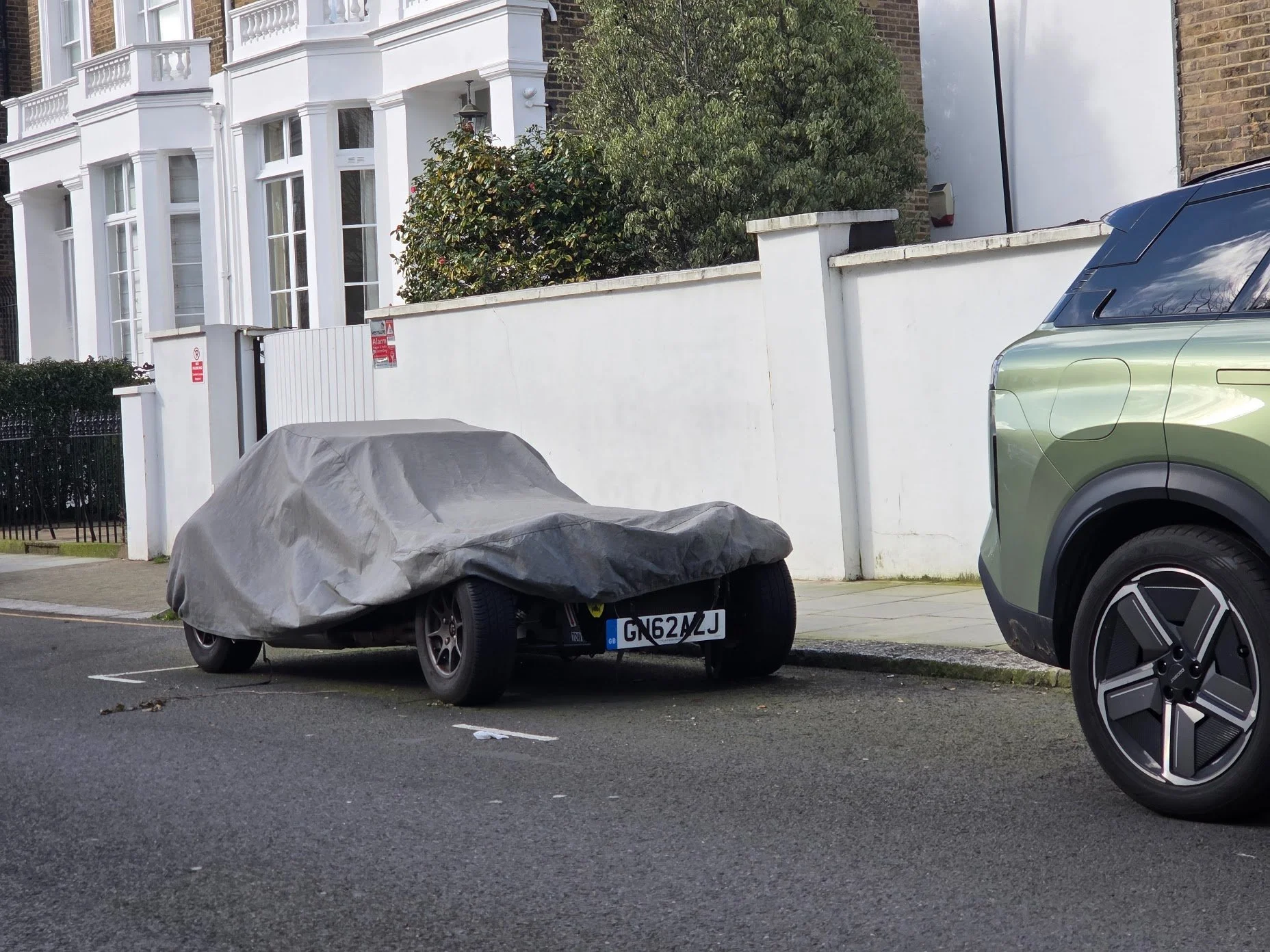
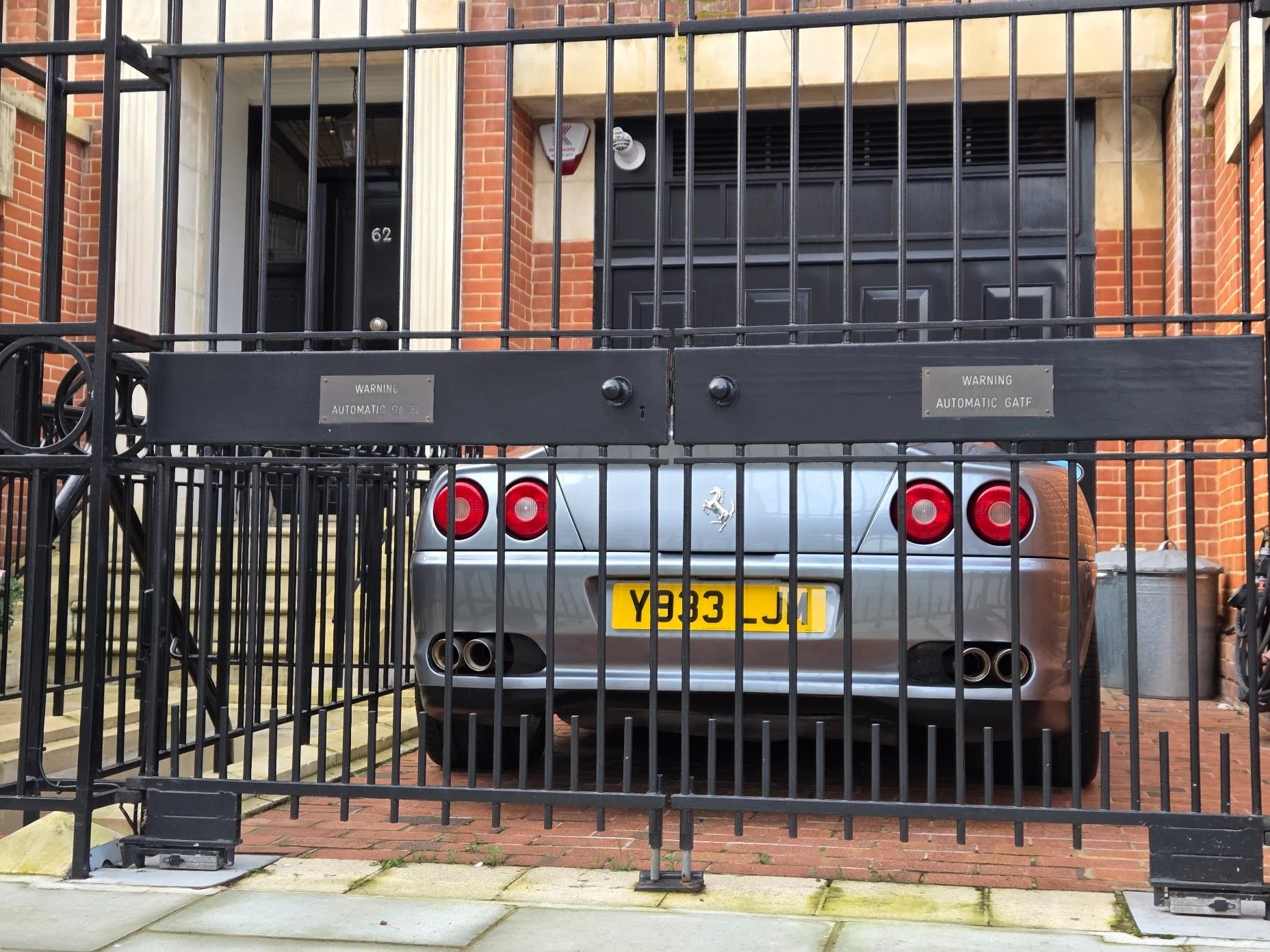
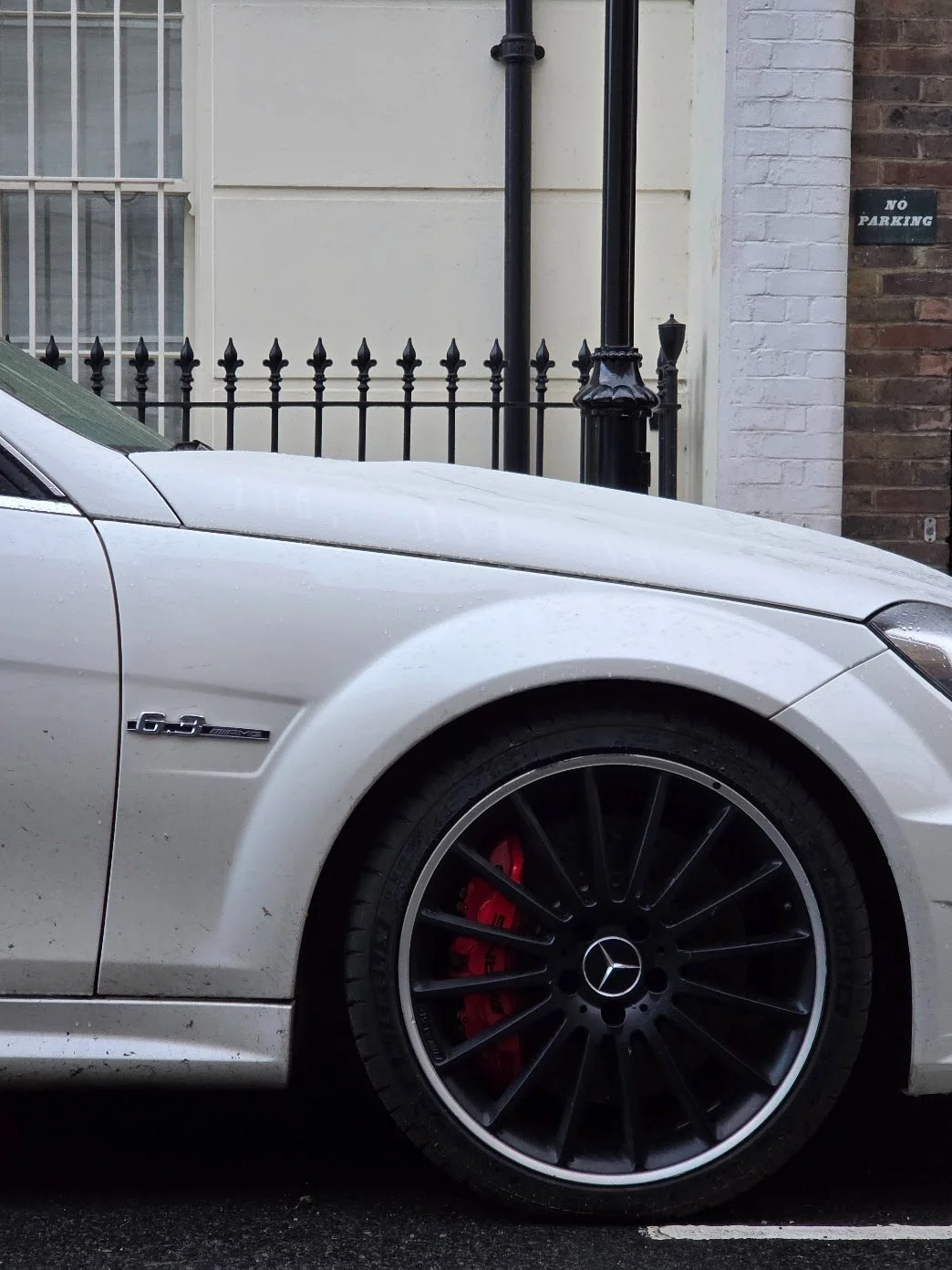
If convenience were the goal, these streets would be lined with Range Rovers and tinted S-Classes. And yes, those are present, but the cars that stop you mid-stride are different. They are low, they are dramatic, they are impractical and often uncomfortable.
Which raises a question: Why choose difficulty when ease is available?
Why bring a Ferrari 550 into a city designed for walking?
Why leave a Mercedes SLS exposed to drizzle and curious phones?
Why let a Lotus Emira sit unguarded on a narrow Chelsea side street?
Because these machines are closer to sculpture than transport. Supercars are not optimized for urban life. They are optimized for proportion, theatre, sound, and sensation. Their long hoods, compressed cabins, and exaggerated hips are design decisions meant to provoke feeling. They are objects built for emotional impact.
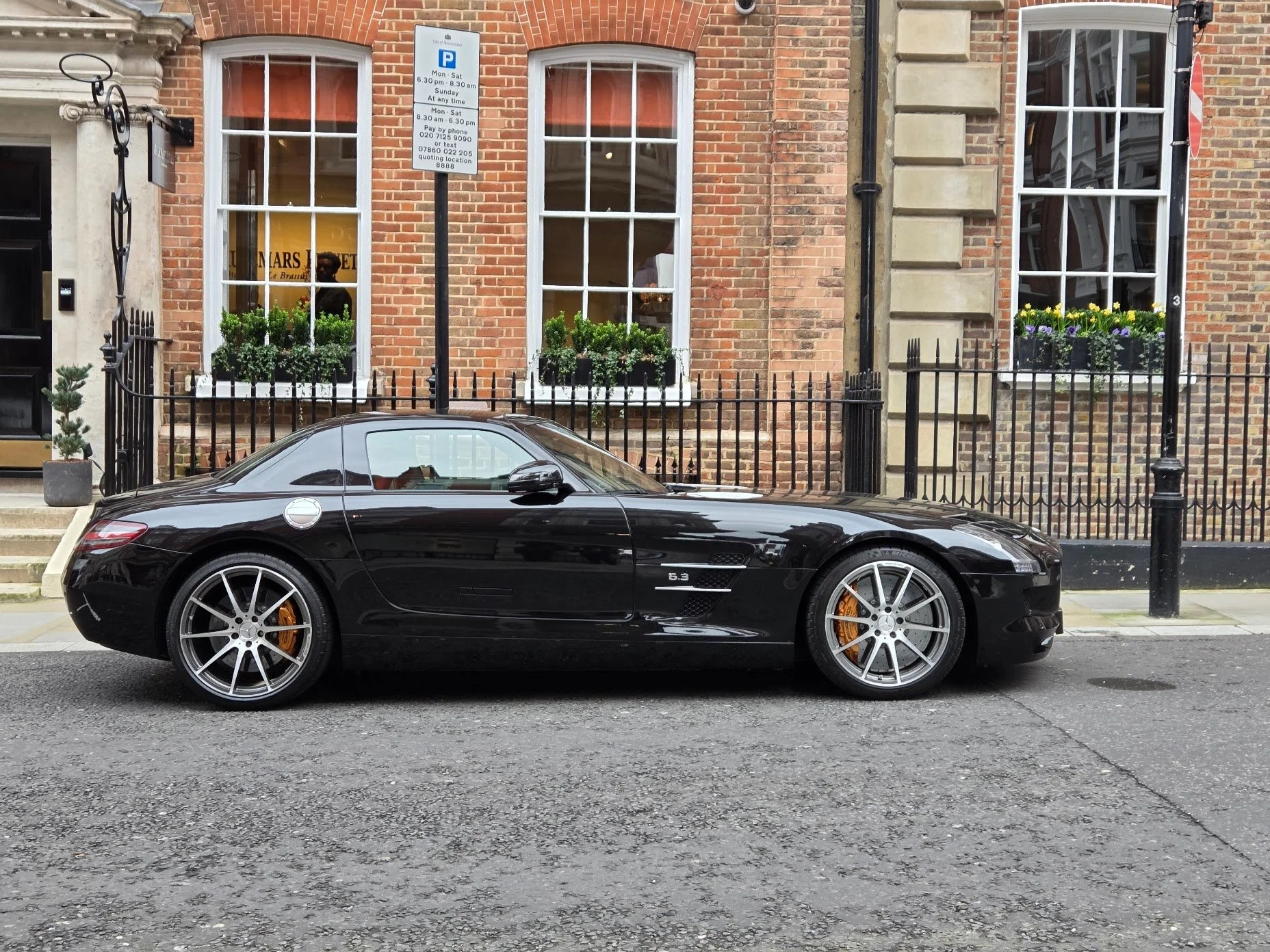
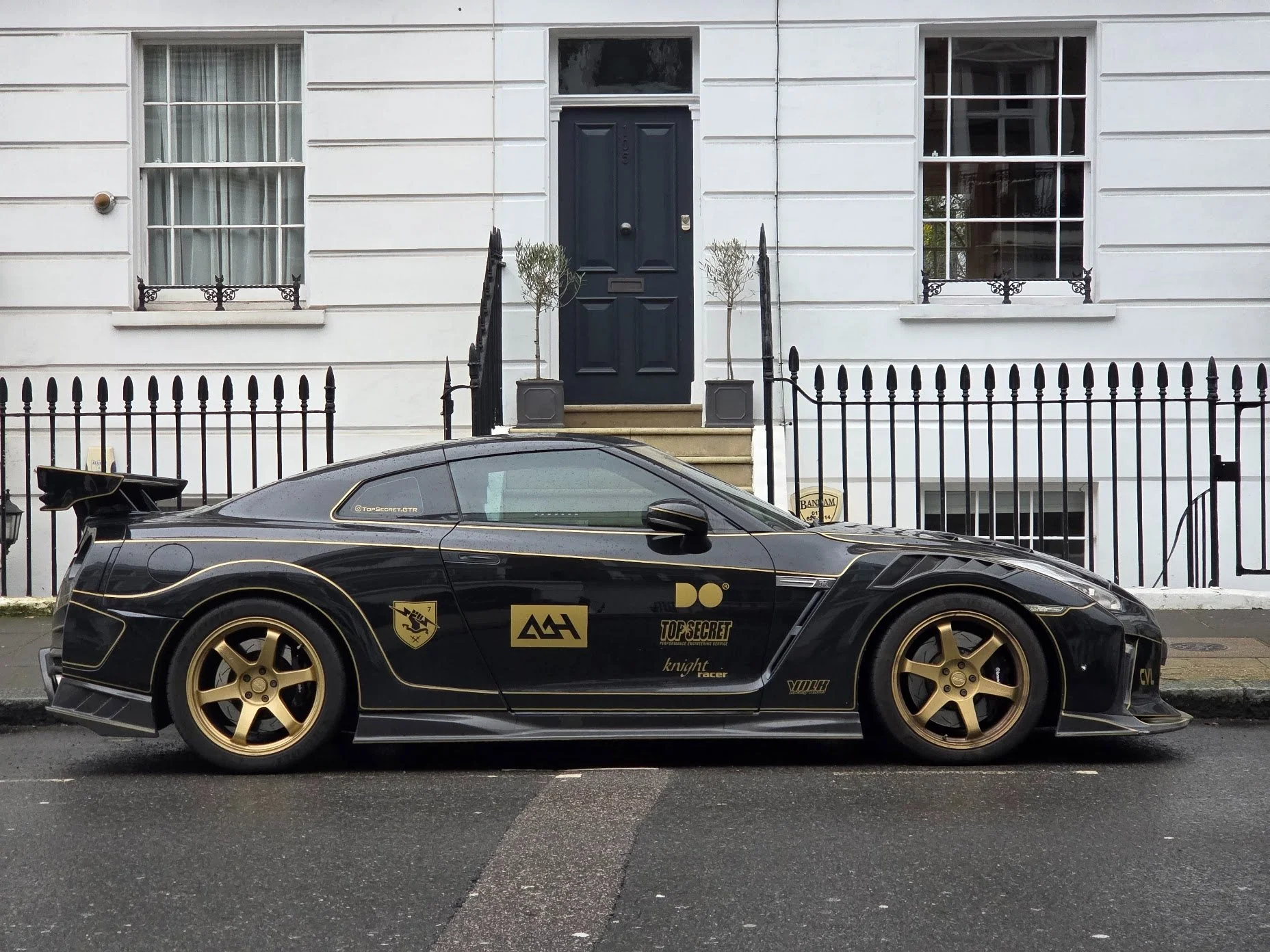
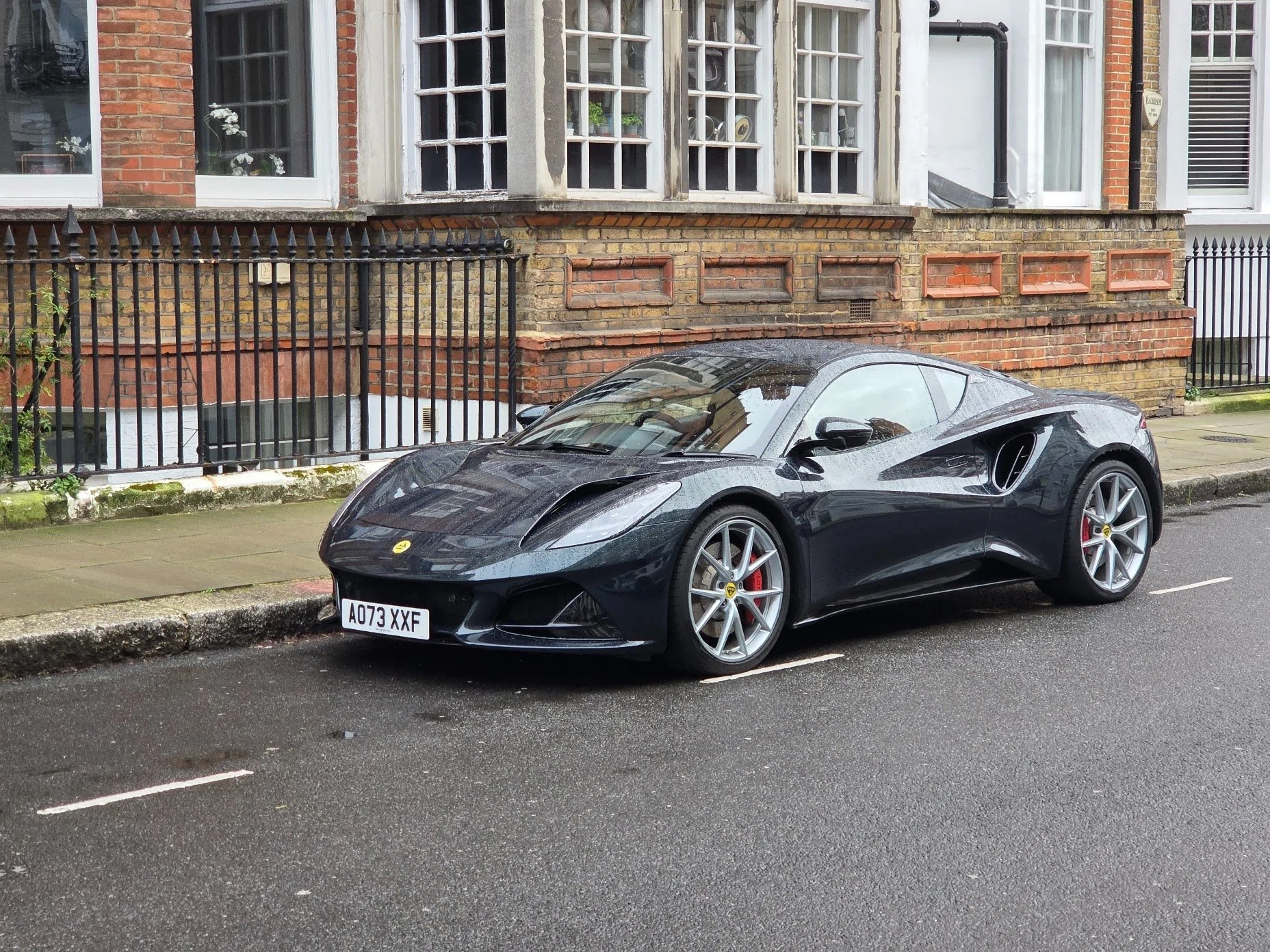
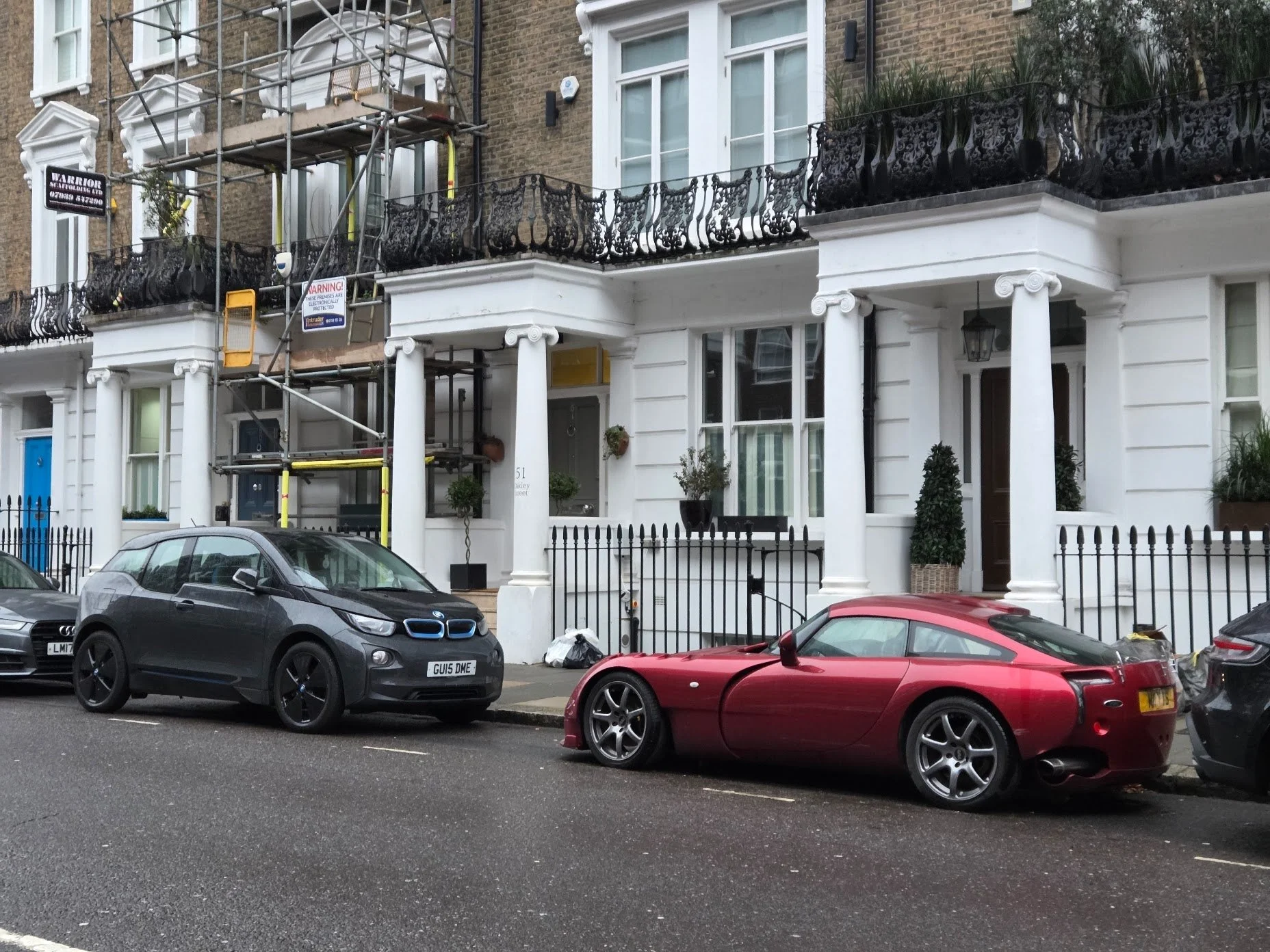
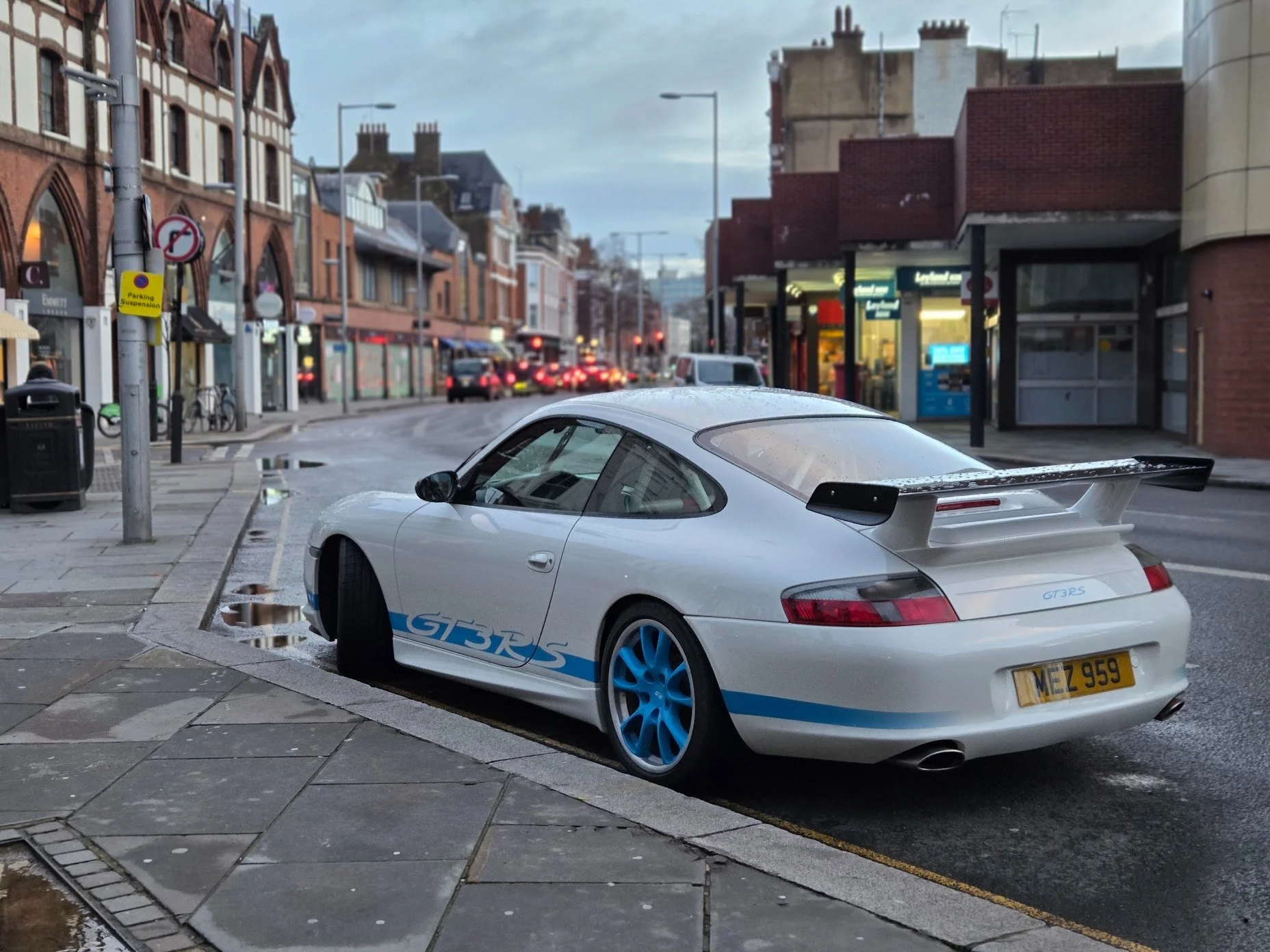
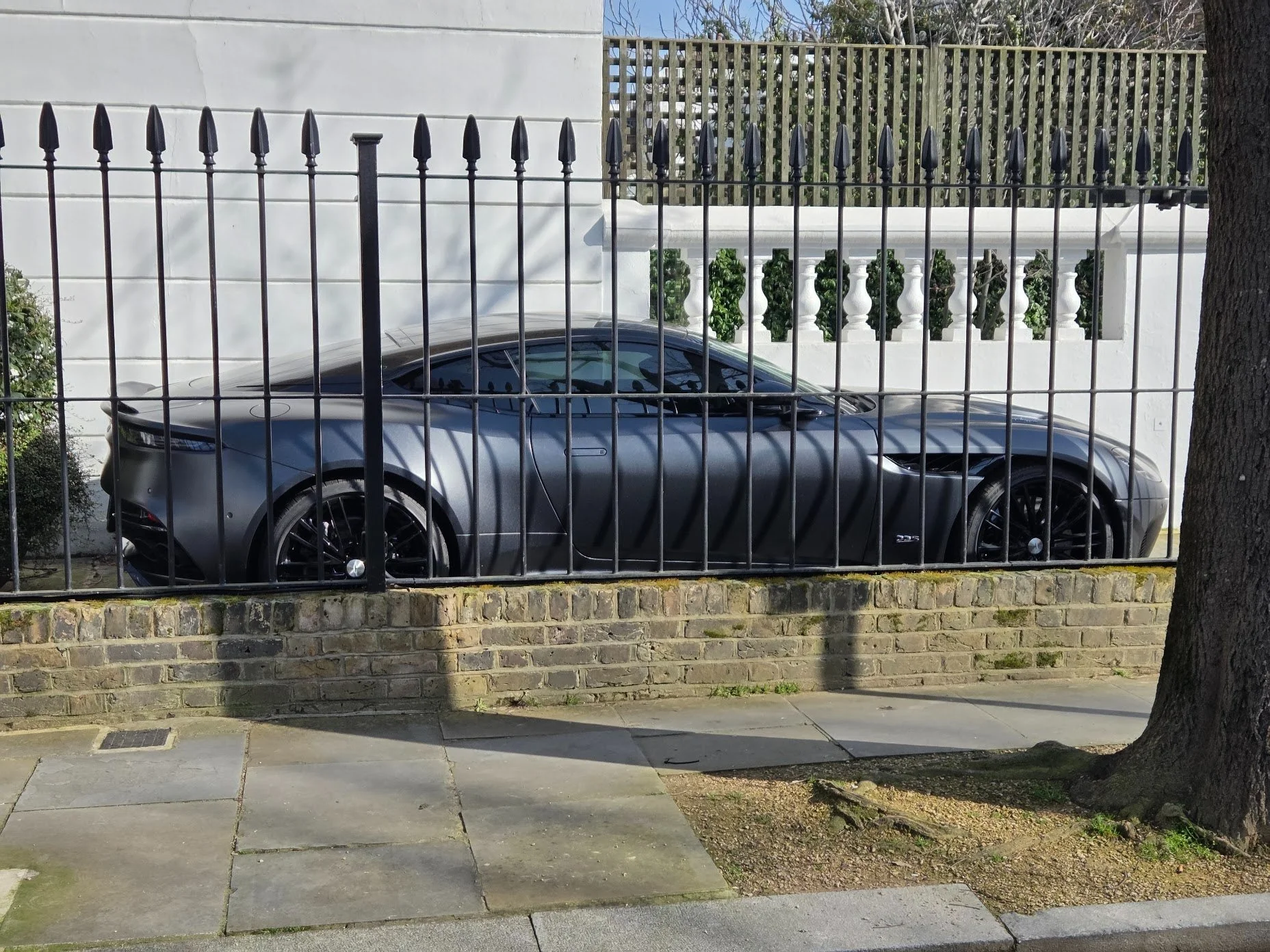
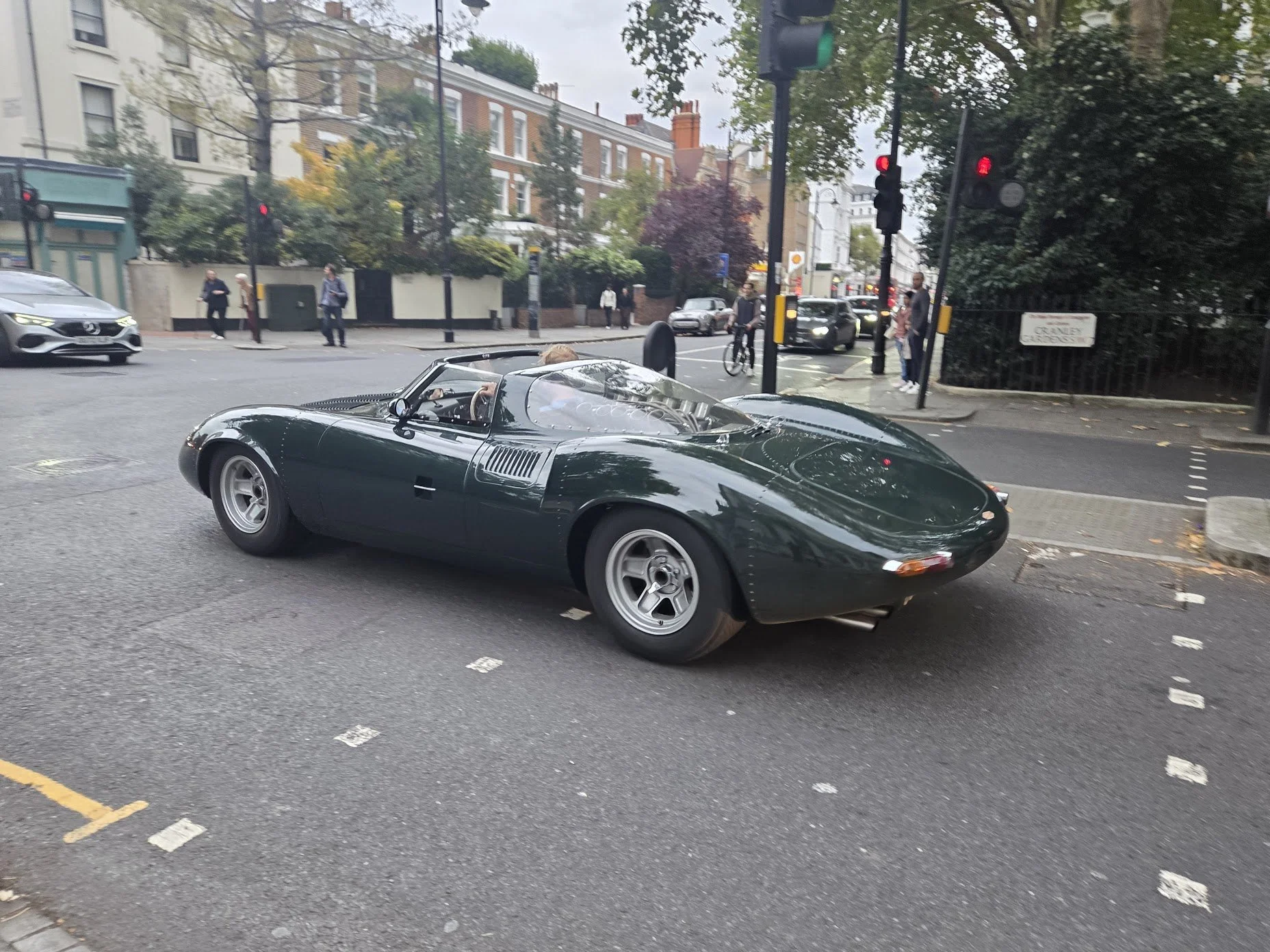
London, perhaps more than any other European capital, is comfortable with this tension. It is a city of galleries and auction houses, of Sotheby’s and the Royal Academy, of private collections hidden behind understated doors. Public space here has always held room for aesthetic interruption. A TVR Sagaris on the pavement does what a Damien Hirst cannot: it roars. It also asks something of the viewer.
Is this excess?
Is this insecurity?
Is it celebration?
Is it performance art?
Or is it simply an individual choosing to express themselves in the most mechanical way possible? Art has always lived inside contradiction. It signals status while transcending utility. It invites admiration and criticism in equal measure. It makes no apology for existing purely to be experienced. These cars do the same.
Yes, London is expensive. Yes, the display can feel jarring against the backdrop of the city’s inequality. But their owners could disappear into anonymity. They could move quietly in SUVs and blacked-out sedans. Many probably Uber daily. Instead, they bring out the analogue, the loud, the wide bodies.
Perhaps in a city built on productivity and finance, these machines act as counterweights. Reminders that some objects are still allowed to exist for beauty alone.
When an early 911 GT3RS idles beside a glass-fronted boutique, something strange happens. Strangers gather, phones lifted, excited chatter fills the air. For a moment, the street pauses.
That pause is the artwork. And maybe that is the real function of London’s supercars—not to dominate the pavement, but to interrupt it.