Engineering Optimism: Japan’s 1990s Automotive Golden Age
The sounds are unmistakable. A twin-turbo straight-six building boost, the whir of a rotary spinning toward redline, the sharp mechanical chatter of a Honda VTEC engine crossing its cam profile. For many enthusiasts today, these sounds belong to a specific time: Japan in the 1990s.
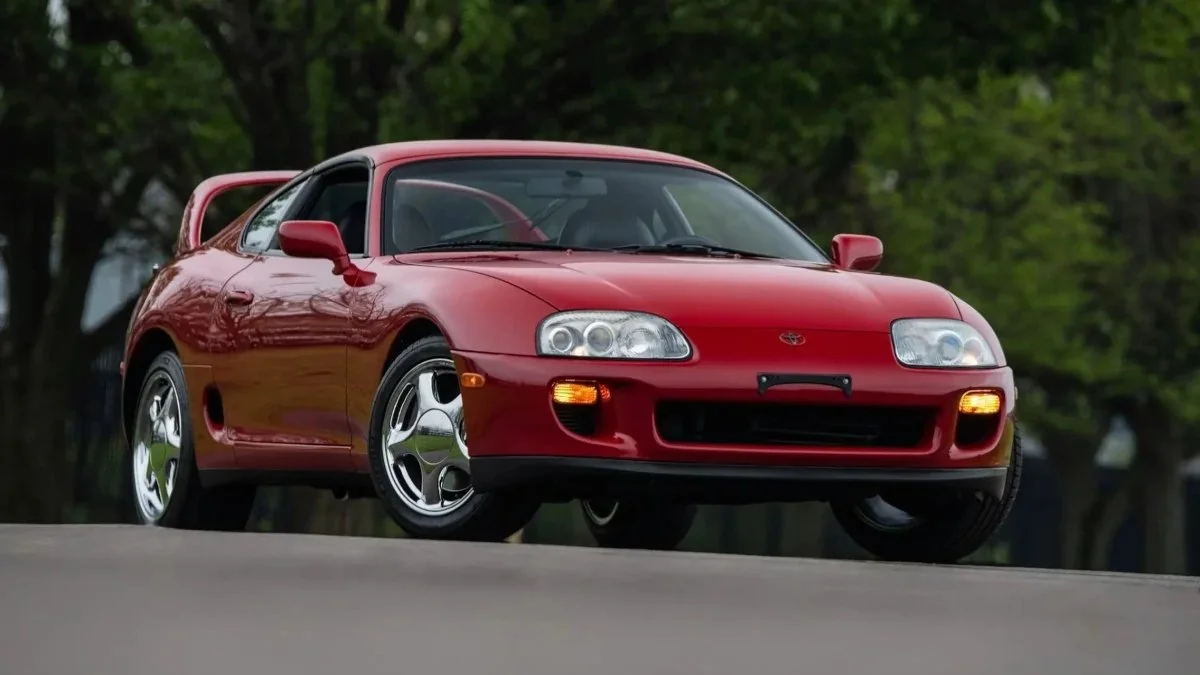
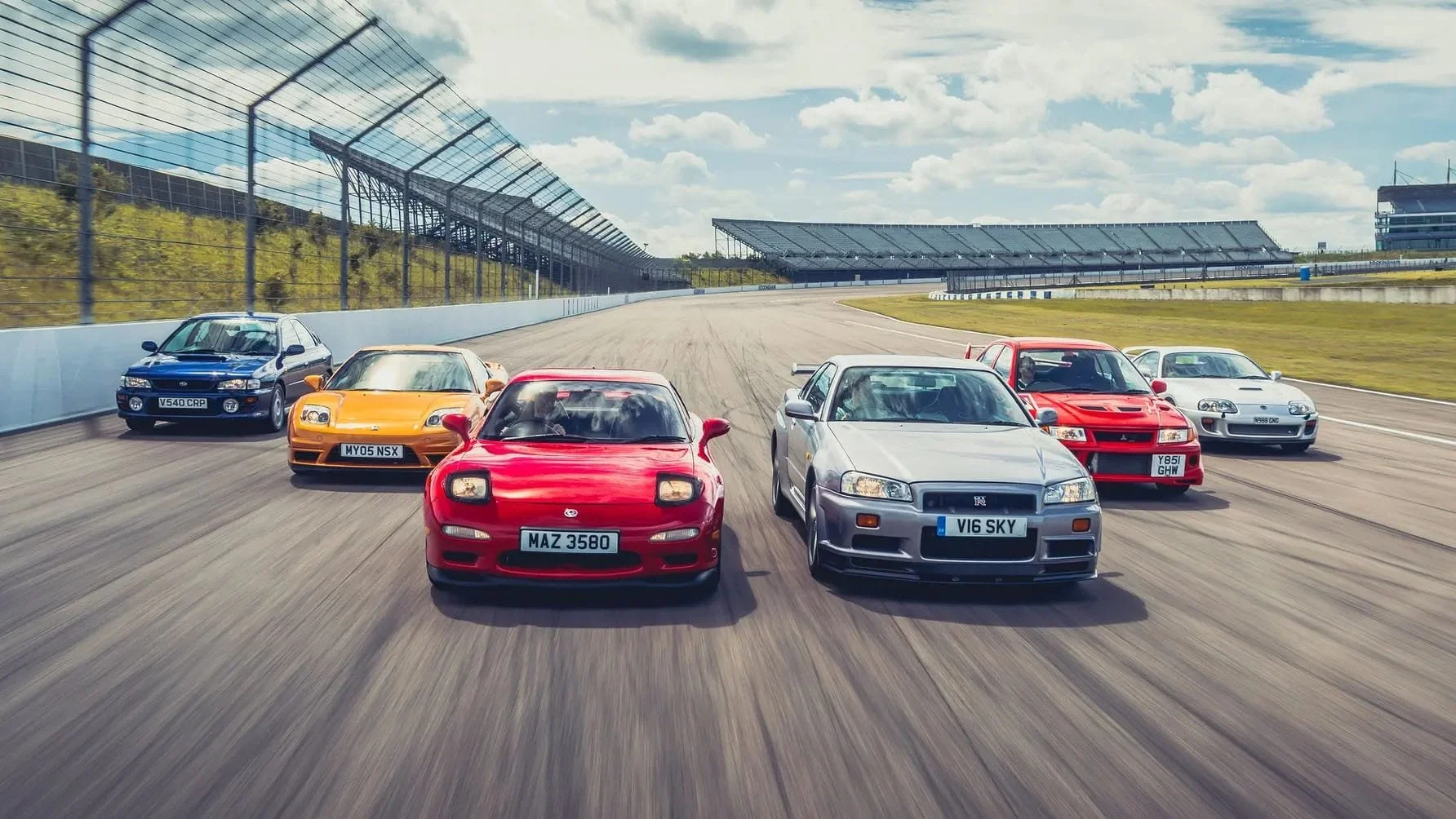
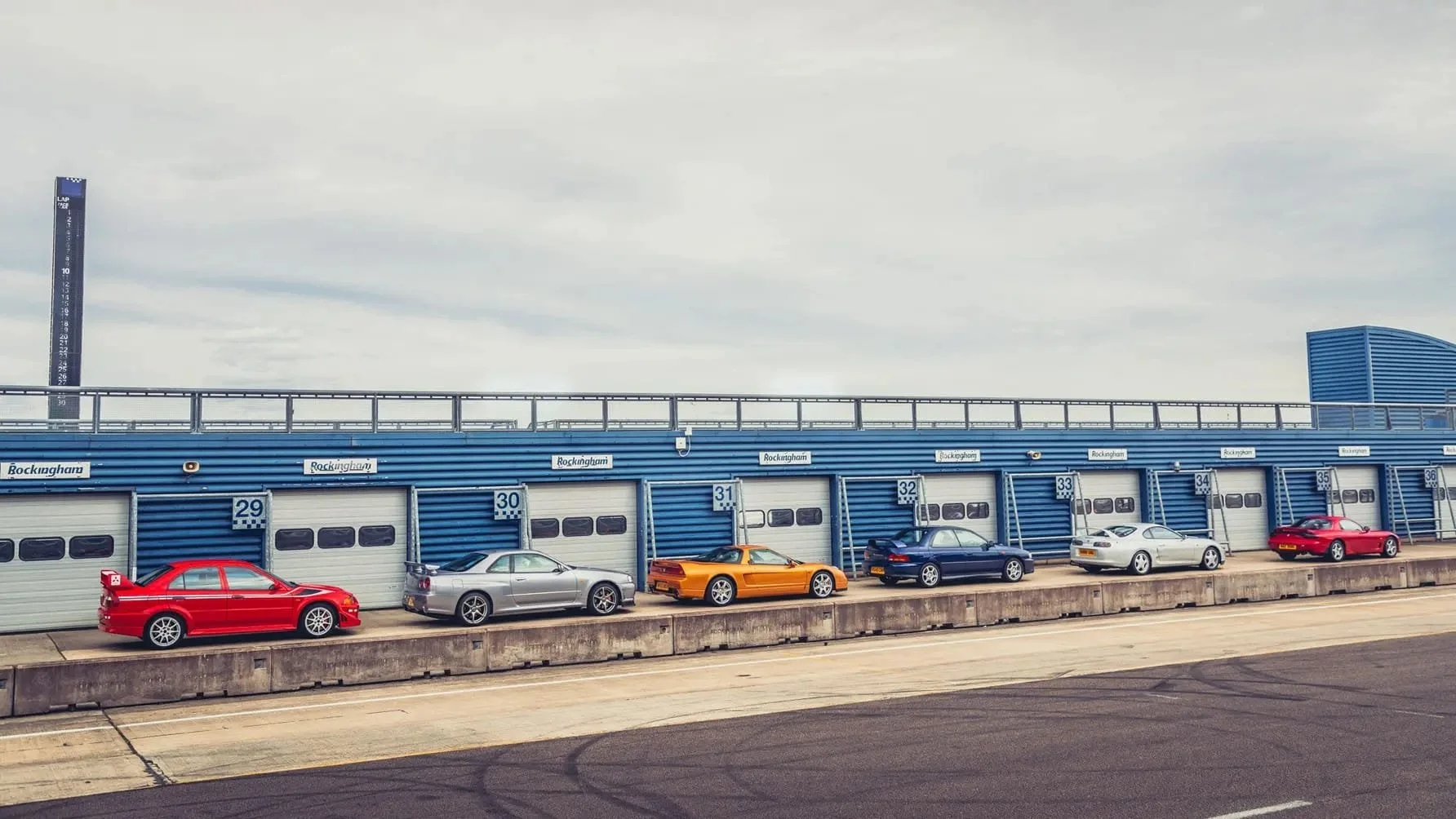
The cars themselves have become icons. Toyota Supra. Mazda RX-7. Nissan Skyline. Mitsubishi Evolution. Honda NSX. They appear constantly in video games, auction listings, and enthusiast conversations. Their values rise each year, their reputations growing with time. But their significance goes beyond nostalgia.
These machines were born during a moment when Japan believed technology could reshape the future, and when engineers were given the freedom to try. The Supra, NSX, and GT-R were not just cars. They were physical manifestations of Japan’s technological optimism at its peak.
The Craftsman Ethos
One of the most enduring concepts in Japanese culture is shokunin (職人): the craftsman devoted to mastering a skill through lifelong refinement. To paraphrase Davies and Ikeno in The Japanese Mind, the shokunin: seeks perfection not for personal glory but because the work itself deserves excellence.
This philosophy connects closely with other Japanese ideas such as kaizen (continuous improvement), gambaru (persevering through effort), and monozukuri, often translated as “the spirit of making things.” These values deeply shaped Japan’s manufacturing culture.
Where Western automakers often framed new models as clean-sheet innovations, Japanese engineers frequently treated development as an evolutionary craft—refining systems until they approached technical perfection. You can see this mindset clearly in the engines that defined the era.
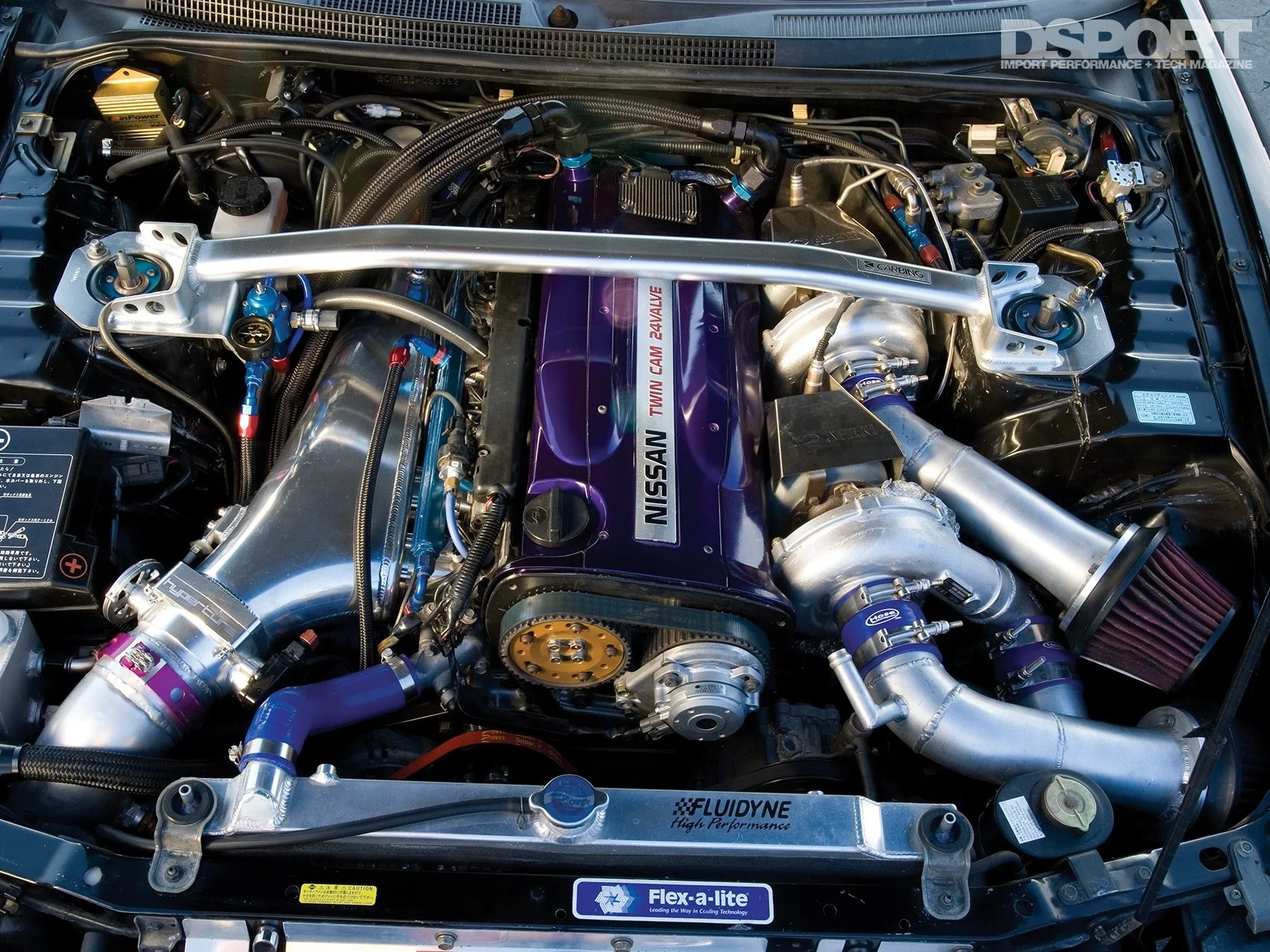
The Nissan RB26DETT, powering the Skyline GT-R, was famously overbuilt. Designed to survive the rigors of motorsport, it ended up with massive tuning headroom that enthusiasts would later exploit.
Toyota’s 2JZ-GTE, developed for the Supra, followed a similar philosophy. The block was so robust that it became legendary among tuners for surviving extraordinary turbo-boost-induced power increases.
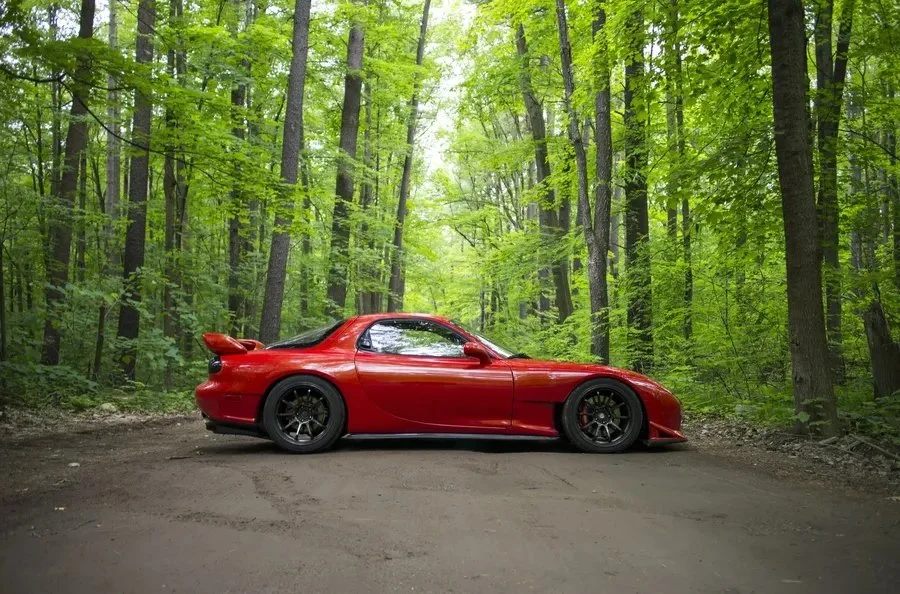
Mazda’s engineers pursued perhaps the most unusual path of all: the obsessive refinement of the rotary engine. For decades they improved an architecture that most manufacturers had abandoned. By the time the RX-7 reached its final FD generation in the 1990s, the rotary had become a uniquely expressive powerplant; lightweight, high-revving, and unmistakably different.
These engines were not merely components, they were demonstrations of mastery. Which raises an interesting question: if engineers are trained to pursue mastery rather than efficiency, what kind of machines do they build?
A Nation Determined to Surpass the West
Cultural values alone do not explain the ambition of Japan’s 1990s sports cars. External competition also played a powerful role.
After World War II, Japan spent decades rebuilding its industrial credibility. Early exports often supplied components for Western products, fitting naturally within Japan’s collective manufacturing culture. But by the 1970s and 80s, Japanese companies had begun surpassing Western competitors in reliability and efficiency.
Trade tensions followed. Tariffs and voluntary export restraints limited Japanese car imports in the United States and Europe. At the same time, Japanese automakers began asking a new question: could they surpass Western engineering prestige entirely? Performance cars became a proving ground.
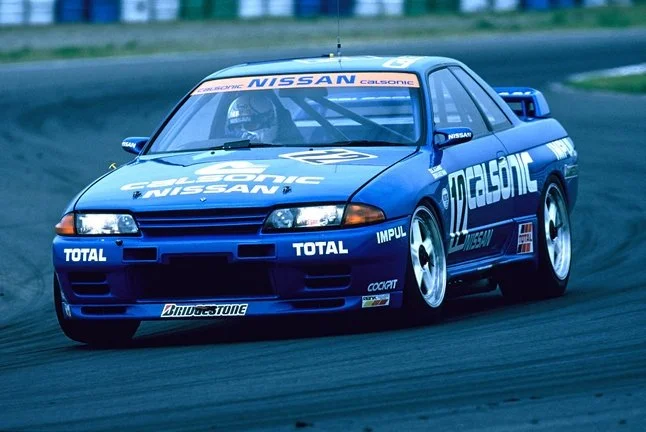
The Nissan Skyline GT-R (R32) was developed explicitly to dominate Group A racing. It succeeded so thoroughly that Australian journalists nicknamed it “Godzilla” after it destroyed the local touring car competition.
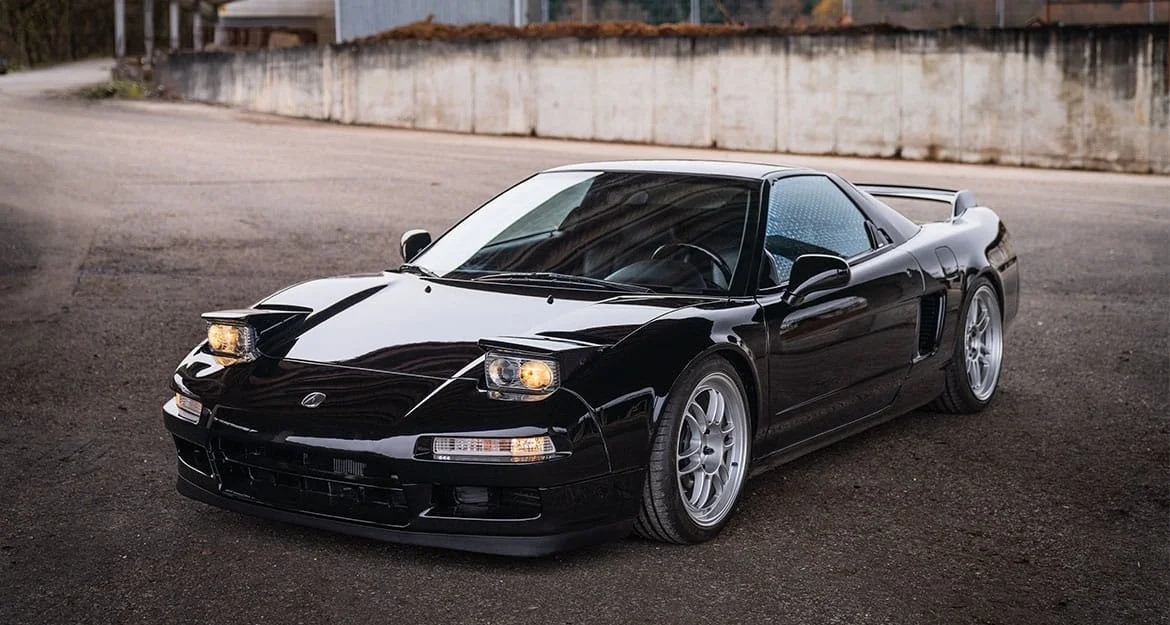
Honda approached the challenge from another angle. The NSX, developed with input from Formula One champion Ayrton Senna, targeted Ferrari directly. Its aluminum monocoque construction and extraordinary usability redefined what a supercar could be. As automotive design legend Gordon Murray later wrote, “The moment I drove the 'little' NSX, all the benchmark cars—Ferrari, Porsche, Lamborghini—I had been using as references in the development of my car vanished from my mind."
Toyota’s Supra Mk4 pursued a slightly different vision: a high-performance grand tourer capable of competing with Porsche while maintaining the reliability and precision that had become Japan’s industrial signature.
These cars were not imitations of European sports car philosophy. They were attempts to surpass it through a different lens—one focused on engineering precision, reliability, and systems integration.
Technology as Imagination
At the same time Japanese automakers were pushing technical boundaries, Japan’s creative industries were transforming global culture. In the 1980s and 90s Japan produced an extraordinary range of influential media and technology: anime like Akira and Ghost in the Shell, video games from Nintendo and Sega, and eventually consumer electronics like the Sony Walkman. In Pure Invention, Matt Alt argues that these industries collectively fostered a cultural environment where technology was not merely practical, it was expressive.
Japanese pop culture imagined futures where humans and machines interacted fluidly. Technology could be playful, imaginative, even emotional. Cars began reflecting this mentality. Japanese sports cars of the 1990s often felt less like mechanical objects and more like integrated technological systems.
The GT-R’s ATTESA all-wheel-drive system actively distributed torque between axles. The Mitsubishi Lancer Evolution featured advanced rally-derived differentials. Active suspension, sophisticated turbocharging systems, and digital dashboards became increasingly common.
These cars were engineered to be interactive. Even relatively modest cars embraced this playful spirit. The Mazda Miata, for example, was conceived as a celebration of pure driving joy—a lightweight roadster that captured the emotional spirit of classic British sports cars while applying Japanese engineering precision.
Bubble-Era Optimism
Another powerful ingredient in this cultural convergence was economic. Japan’s asset bubble between 1985 and 1991 created enormous corporate investment capacity. Companies enjoyed unprecedented cash reserves, and long-term planning horizons allowed engineers to pursue ambitious projects with relatively little financial pressure.
Honda reportedly spent hundreds of millions developing the NSX’s aluminum architecture. Mazda continued funding rotary development despite decades of commercial uncertainty. Nissan invested heavily in the GT-R’s racing program. These were not purely rational business decisions. They were expressions of confidence.
Economist Richard Katz later argued in Japan: The System That Soured, that Japan’s bubble economy encouraged companies to believe technological leadership would naturally follow industrial strength. For a brief moment, that belief seemed justified. Then the bubble collapsed.
By the mid-1990s Japan’s economy had entered what would later be called the “Lost Decade.” Corporate budgets tightened, and many ambitious engineering programs disappeared. The golden age ended almost as quickly as it began.
Collective Creativity
A distinctive aspect of Japanese innovation lies in how creativity is organized. Western narratives often emphasize individual genius; the lone inventor transforming an industry. Japanese innovation more often emerges from collaborative refinement inside organizations.
This reflects cultural values such as wa (harmony) and hierarchical mentorship structures like senpai–kohai relationships. Ideas are debated, refined, and improved collectively.
The result is not necessarily radical invention, but something else: extraordinarily polished systems. That is precisely what many 1990s Japanese performance cars became. They were not chaotic bursts of inspiration. They were meticulously engineered ecosystems.
Feedback Loops of Enthusiasm
Japanese car culture also developed powerful feedback loops between multiple cultural domains. Motorsport programs influenced road car development. Tuning companies such as HKS, Spoon, and Mine’s pushed engineering boundaries beyond factory specifications.
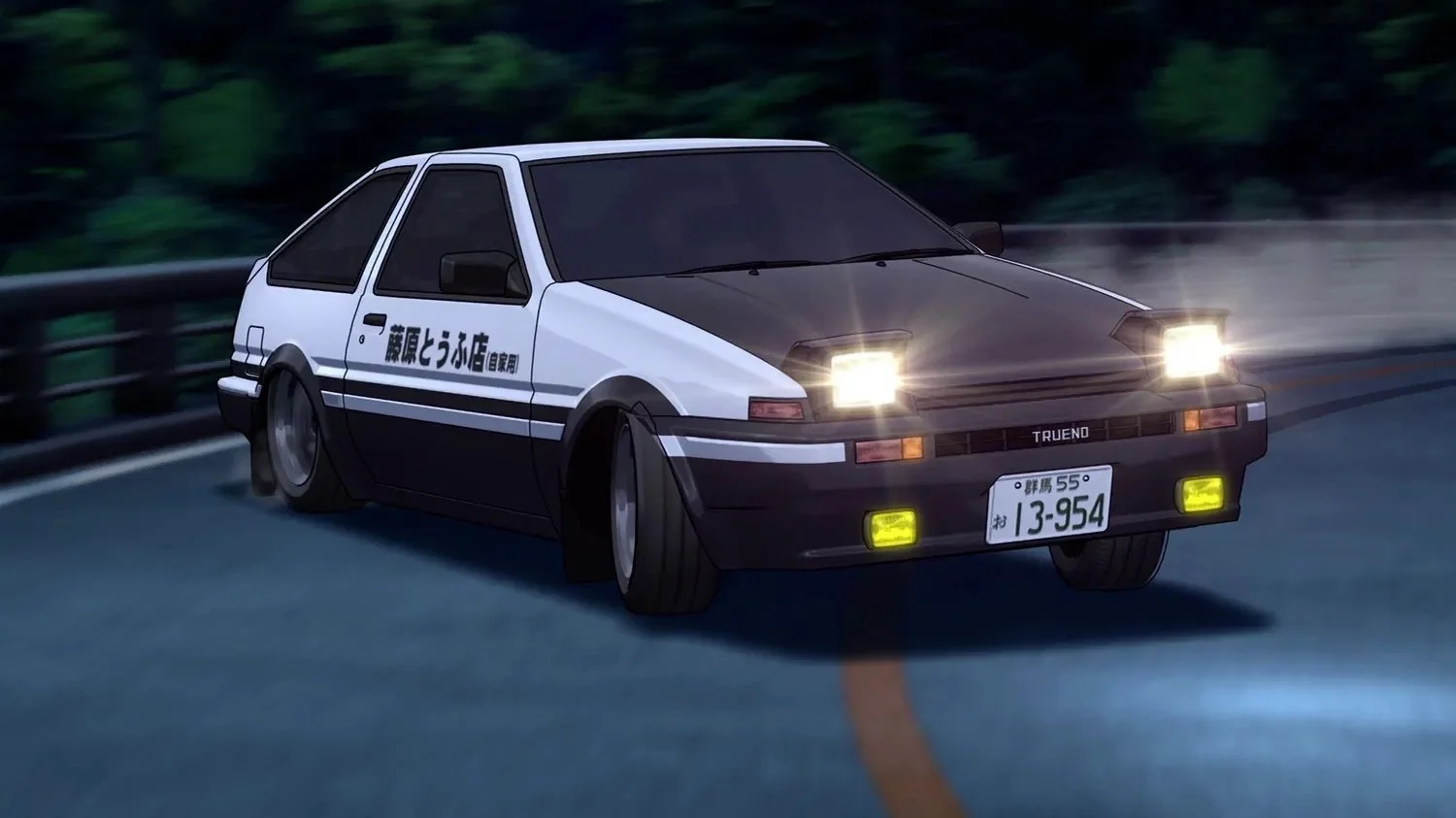
At the same time enthusiast media and entertainment reinforced the mythology. The manga Initial D helped popularize drifting culture. The Gran Turismo video game series introduced Japanese performance cars to a global audience.
Young enthusiasts who first encountered these cars in virtual form later sought them in real life. The technology imagined by Japanese pop culture and the engineering pursued by Japanese manufacturers began reinforcing each other.
Machines from a Moment of Belief
Looking back today, the remarkable thing about Japan’s 1990s sports cars is not simply their performance, but their ambition. They were created during a period when Japanese engineers believed technology could reshape the future, and when corporate structures were willing to fund that belief.
The Supra, RX-7, Skyline GT-R, and NSX were more than vehicles. They were artifacts of technological optimism. Physical expressions of an era when craftsmanship, national ambition, imaginative culture, and economic confidence converged.
That moment could not last forever. But the machines it produced still carry its spirit. And perhaps that is why they continue to fascinate us decades later. Because when we look at them, we are not just seeing cars. We are seeing the dreams of a technological future that Japan once believed it could build.
If the 1990s represented Japan’s technological optimism, what does today’s automotive culture say about our own? Are modern cars expressions of ambition? Or simply compliance with regulation and efficiency?