What AI Can't Inherit: Ford Spent Billions to Learn What it Already Knew
The best employees always know where the bodies are buried. The best analysts know why you can’t trust the sales data for two days in April of last year, the best engineers know why a part will fail before you test it. Rarely is this written down. This isn’t because these people are lazy, but because their knowledge is built on pattern recognition honed through years of product releases, chasing down problems and curiosity. They have an intuition that understands when something technically works, but will be a problem down the road. It's the kind of knowledge that lives in hallways and lunchroom conversations, not in design requirement documents.
Ford found this out the hard way. Between 2024 and 2026, it shed roughly 3,800 salaried positions, disproportionately hitting senior engineers (aka gray beards). They were replaced with AI as a way to boost productivity. It rolled out over 900 AI-powered cameras and fed the design requirements into its automated systems expecting high-quality vehicles to come out the other end. Instead Ford saw quality ratings drop and warranty claims jump. In Q2 of 2024 warranty and recall costs totaled $2.3 billion, $800 million more than the first quarter and $700 million more than the previous year. While warranty costs have dropped in recent years, Ford set an industry record with 153 recalls covering 13 million cars and trucks in 2025.
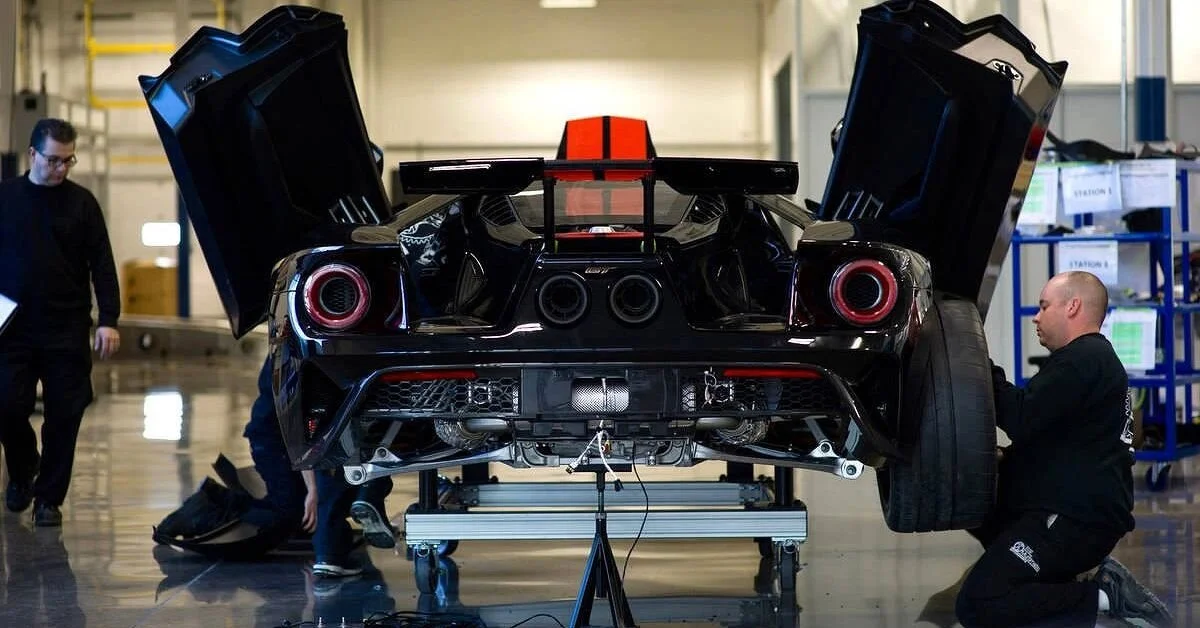
"Over prior years, we didn't pay as much attention as we should have to the experience of our most knowledgeable engineers that have been with us through many product cycles," Charles Poon, vice president of vehicle hardware engineering, told reporters. "Artificial intelligence is a fantastic tool, but it's only as good as the information you use to train it," he said. In short the AI got the documentation, but not the judgement.
The correction required going back to the source, reacquiring the asset it let go. Ford rehired over 300 experienced engineers. But these engineers didn't return to their old roles. They were placed upstream of the build process: running mandatory weekly design reviews, hunting for failure points before blueprints reach the factory floor. They became, in Ford's own description, internal auditors.
In the work I do as an AI Data Readiness Consultant, I help companies build the data infrastructure their AI ambitions actually require, and the Ford result is not uncommon. My initial diagnostic always starts the same way: not with systems, but with people. Specifically, with interviews. Who knows why the sales data can't be trusted for two days in April? Who understands which supplier tolerance is technically within spec but practically a problem? Who has the institutional memory of why a particular workaround exists, and what breaks if you remove it?
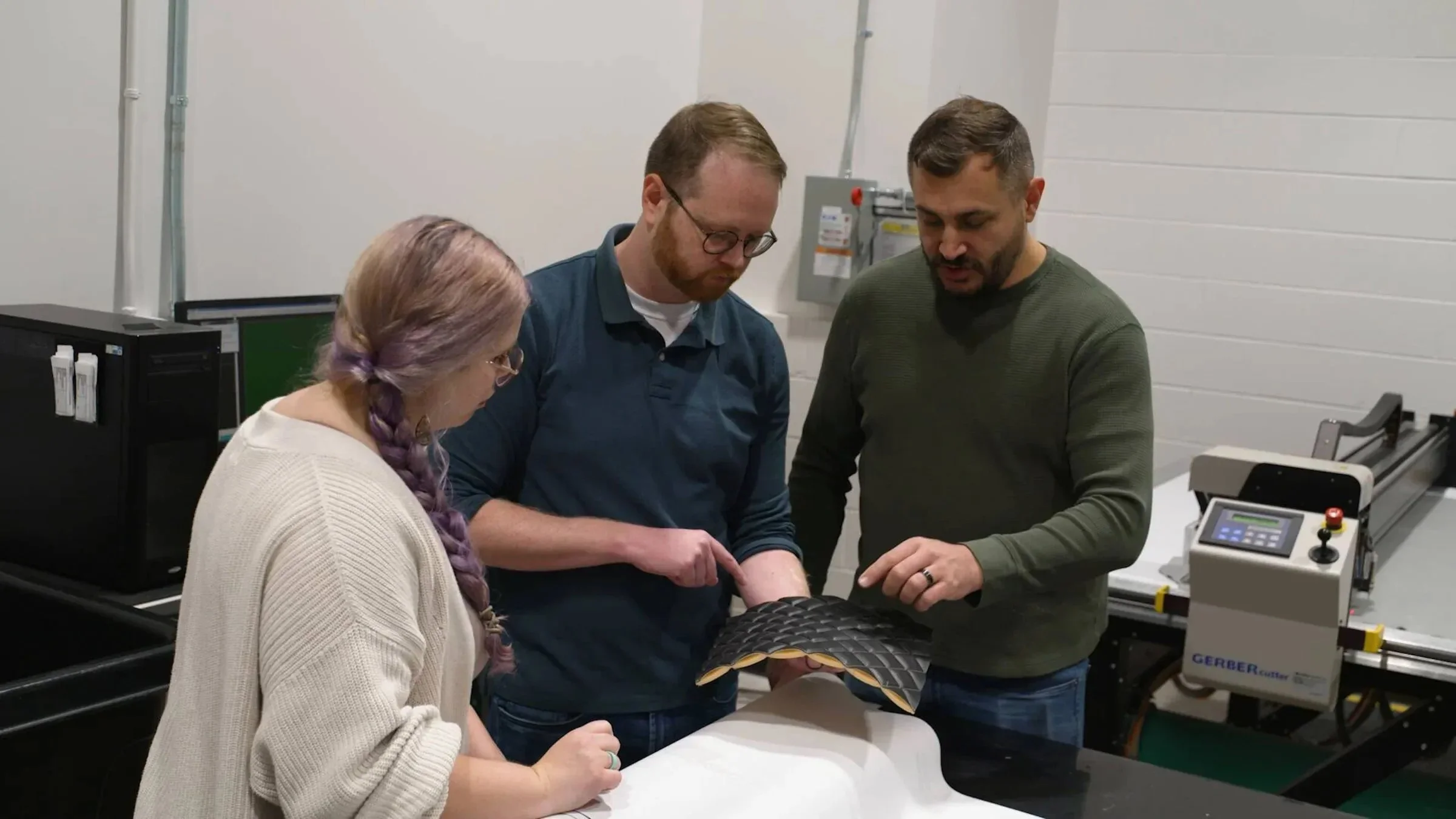
Often, that knowledge lives with one or two people. Often, it has never been written down (or done once and never updated). And most often, the organisation has no plan for what happens when those people leave, retire, or are let go in a cost-saving exercise that looks rational in a meeting but results in headaches 18 months later.
The second phase of my work looks different. Code reviews, data governance, identifying where data flows are broken or where outputs are being trusted without validation. This is where Ford dropped the ball. Every organization has a quiet accumulation of decisions made on data that hasn’t been formally and routinely validated. With AI these are fed into systems that amplify what they’re given. Garbage in, confident and polished garbage out.
News coverage fixated on AI versus humans. The more interesting question is what becomes possible for an organisation that gets the AI-transition sequence right from the start? The organization that captures institutional knowledge before automating around it, and frees its people to solve the problems only they can see. The analyst who spent half her week pulling and cleaning reports can spend that time deep diving into why new customers have lower AOV. The engineer who spent his days on routine validation can spend them on the failure modes that only he knows to look for.
Ford got there by accident, under duress, after billions in warranty costs and a record-breaking recall year. The knowledge nearly disappeared. They spent more to get it back than it would have cost to keep it. The gray beards in every industry are not getting younger, and their knowledge is not getting easier to capture the longer it goes unexamined. Ford found out what that costs. The window to do this differently is open, but it won't stay open indefinitely.