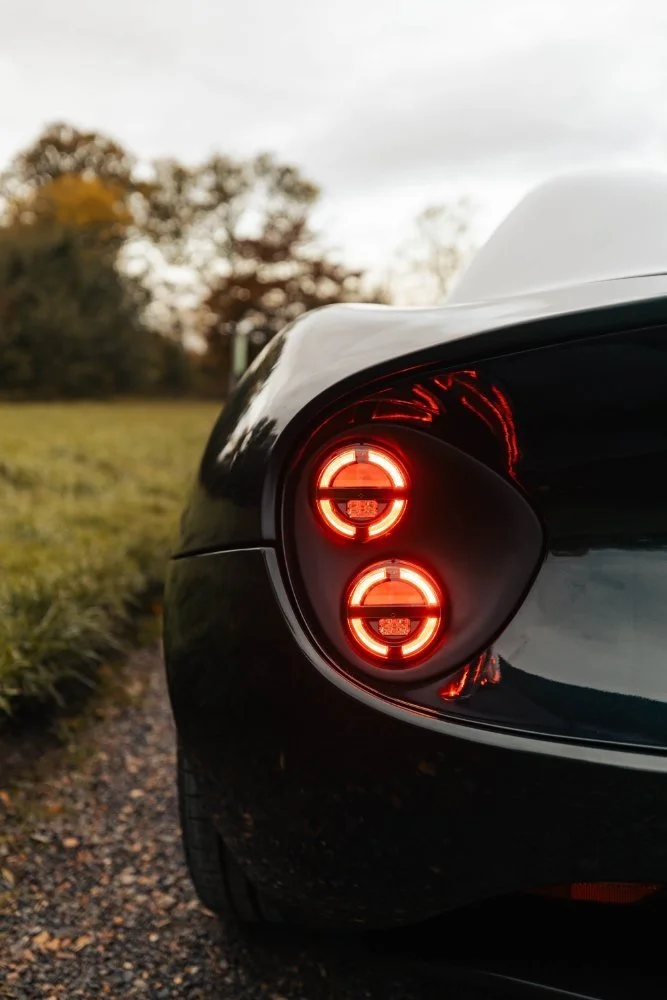
Lightness is the Answer: Longbow and the Return of Driving Feel
New cars don’t excite me much any more. I’m not sure when it started, but it’s been at least 5 years now. I still scroll the releases, still notice a crisp design line, but it’s not the same. That little jolt I used to feel before the latest Ferrari or M3 dropped has gone quiet. It feels like we are increasingly passengers with a steering wheel.
Horsepower climbs, lap times drop and yet I can’t ignore the fact that this is all obfuscated behind boost pressure, electric motors and lines of code. Every year the manual gearbox approaches extinction, naturally aspirated engines below $40k are critically endangered, and every touch point, whether it’s steering, brakes, or throttle, is being handed over to digital mediation. You start to wonder, was I responsible for that little drift or was it implemented by an algorithm? There was a time when you were the only one keeping you out of a ditch. You could turn off stability control, if you had it, now everything is buried in a screen. Has proficiency been replaced by processing speed? Mechanical connection has to be simulated, piped in, enhanced by special lighting and graphics.
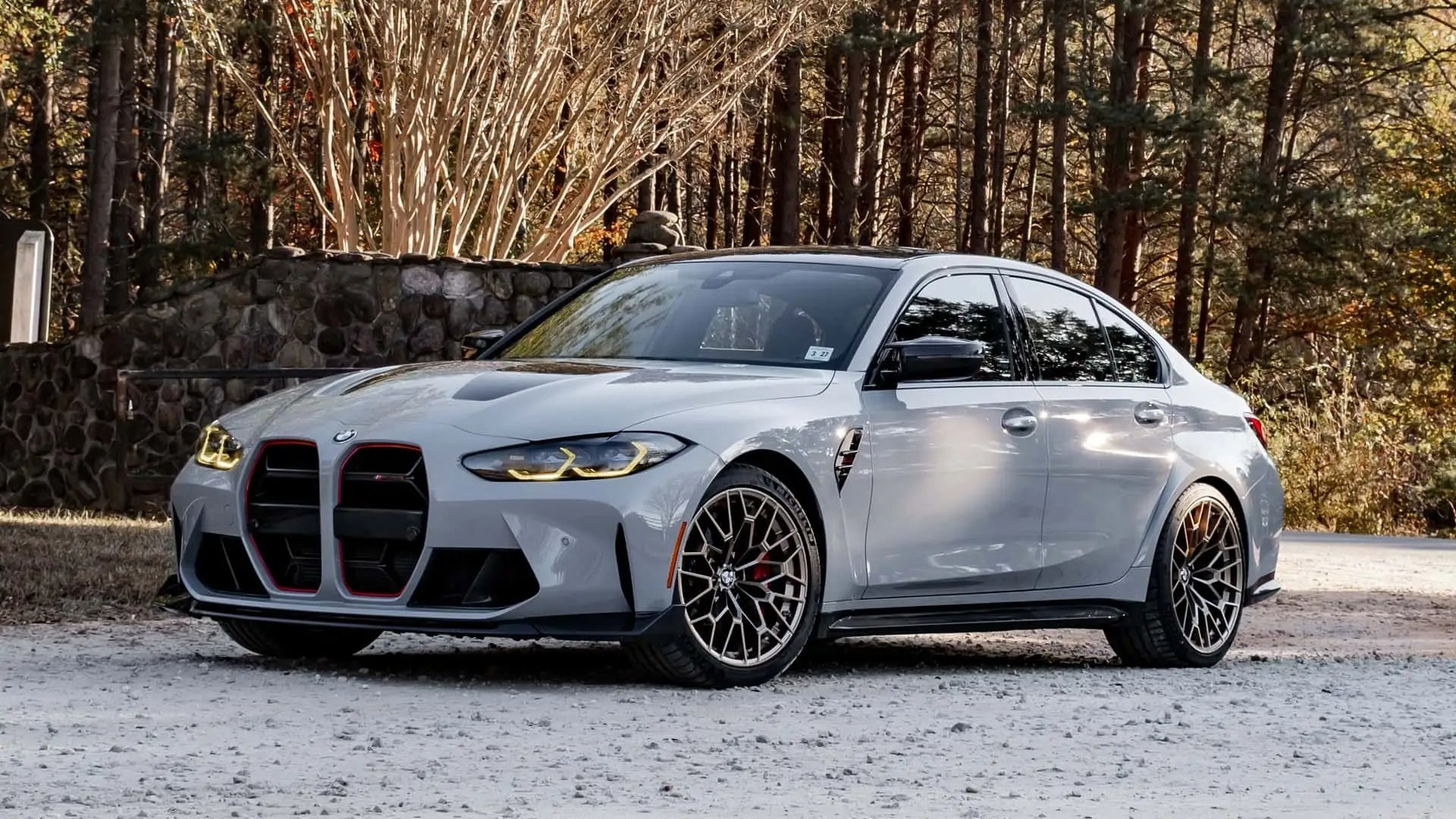
I can vividly remember one of the last times I was genuinely excited about a batch of new cars. In 2009, when Ferrari released the 458, you got the sense they were wringing out every last ounce of power from its 4.5 liters. It meant real breakthroughs in metallurgy, valve springs hanging on for dear life and compression ratios that would have made Stockton Rush think twice. 2013 saw the release of the holy trinity (the Ferrari LaFerrari, the Porsche 918 and the McLaren P1) and it felt truly novel adopting hybrid power from F1, not for efficiency but for raw performance.
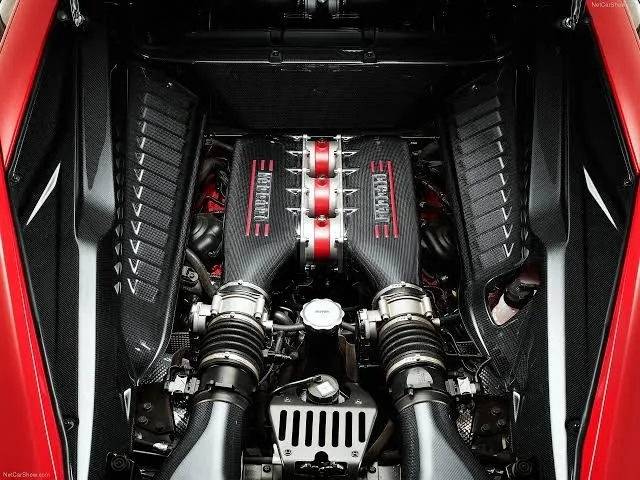
Yet as turbos and electric power trickled down their family trees the jumps in power started to lose all meaning. Hypercar numbers were transposed into supercars and then into family saloons. Horsepower numbers stopped being about innovation breakthroughs and more about a spec-sheet arms race. Increases in power have also led to heftier portions. Turbo piping adds weight, so does the increased cooling required to keep everything healthy. Add in battery packs, hybrid integration, bigger brakes and we get M5’s with a curb weight close to 5,000lbs. Power has been democratized. The tragedy isn't just the weight gain, it's that the best engineering minds in the industry are now solving problems that didn't exist before they made the car too heavy and too powerful to handle naturally. That's not progress, that's a treadmill.
EVs have broadly exacerbated this trend. When you build a car that can do 300-400 miles per charge, it’s relatively easy to size up the motors to deploy the full fury of those electrons. Three-second 0-60 times are no longer rare, but a curb weight under 3,000lbs is like seeing a Northern White Rhino. EVs were the new musclecars, fast enough to rearrange your organs, but run them down a bumpy country lane and watch them fall apart. The last few years suspension and stability-control tech have tamed the laws of physics, but they’ve only furthered the disconnect between the driver and the pavement. I keep wondering, are we watching the death of the driver's car? Is this how it ends? Another element of our lives confined to digital optimization masquerading as achievement?
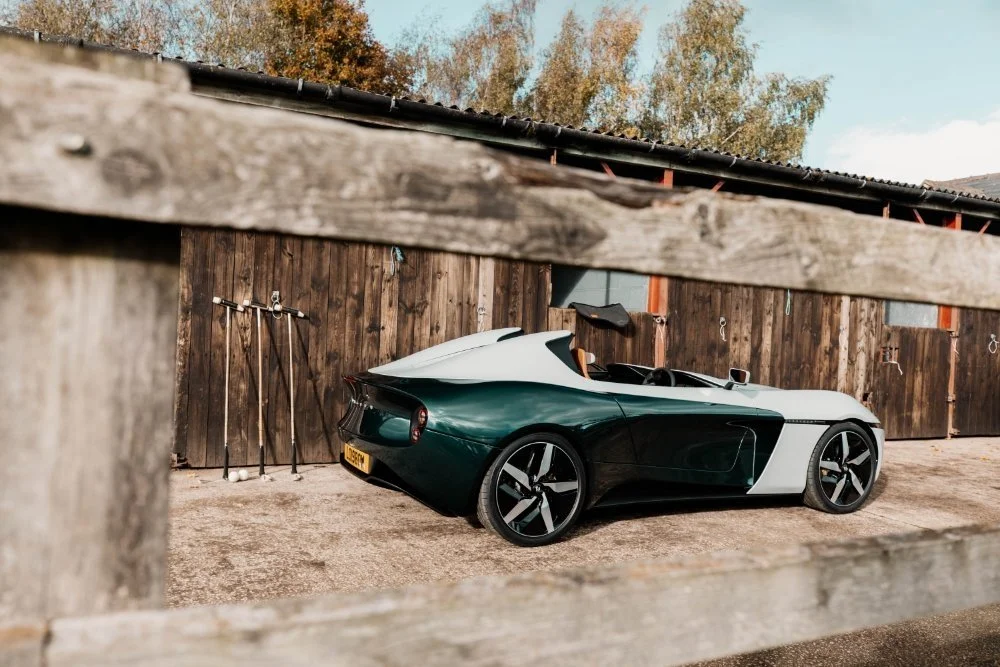
Maybe not, recently, I’ve started to feel that spark of excitement again in the form of Longbow Motors. At the FT Future of the Car I spoke briefly with their cofounder, Daniel Davey. The idea is a return to the British sportscar, but make it electric. The targets are promising: under 1,000kg, 0-60 under four seconds, a range of 275+ miles WLTP and a starting price of £64k for the roadster. Daniel explains it as a return to physics first principles: his first being that lightweight will always deliver the best driving experience. While power has been commoditized, driving feel has grown increasingly niche. When asked about Porsche’s about-face on their EV plans, he shared that even masters of handling like Porsche have to bury the driving experience in advanced stability control to manage their higher horsepower and weight. He’s been craving a simplified driving experience without having to go down the classic car route.
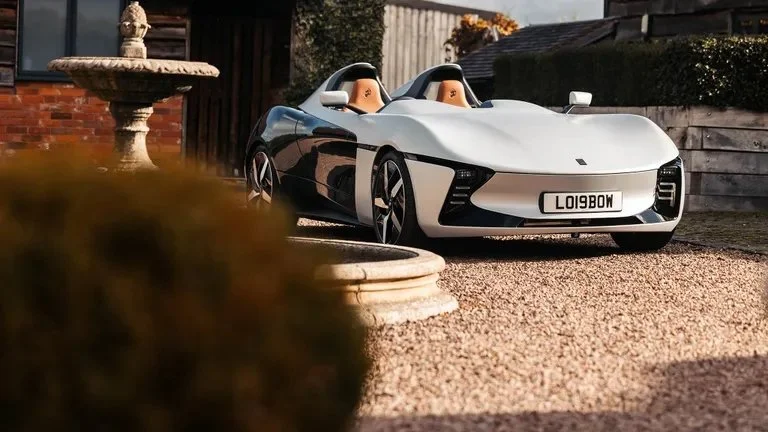
In Daniel’s words, “simplicity and lightness is our secret sauce in both company and product.” Rather than dedicating resources to EV motor design they will contract this out to companies that specialize in this work already. The founding team has worked at Tesla, Lucid, Lotus and more, but this space is already moving so fast, why not pick and choose the best off the shelf? This drivetrain agnosticism allows them to design a car that easily accommodates upgrades and updates over time. Davey emphasized that this approach allows them to modify trackwidth without touching the surrounding body design. This flexibility means the chassis scales to more models. They are not targeting huge numbers, but instead hoping to pick off around 5% of the roughly 200k sports cars sold each year (in the $60k-$200k range). They are focused on a local supply chain wherever possible and building cars that they think could still be running in 100 years. This intense focus allows absolute dedication to driving feel and handling balance.
There is also a purity to electric propulsion that I didn’t appreciate until I experienced it myself. A few years ago I tested a motorcycle from Zero in the mountains of Santa Cruz. The bikes have a lot of torque, but without the width of a combustion engine, the bike's narrow form let me move my weight around mid-corner in a way I hadn't felt before. There was something really special about hustling the bikes through those tight turns, leaned over and being able to hear the birds chirping as I flew past. I found I didn’t miss the exhaust note as much as I thought I would.
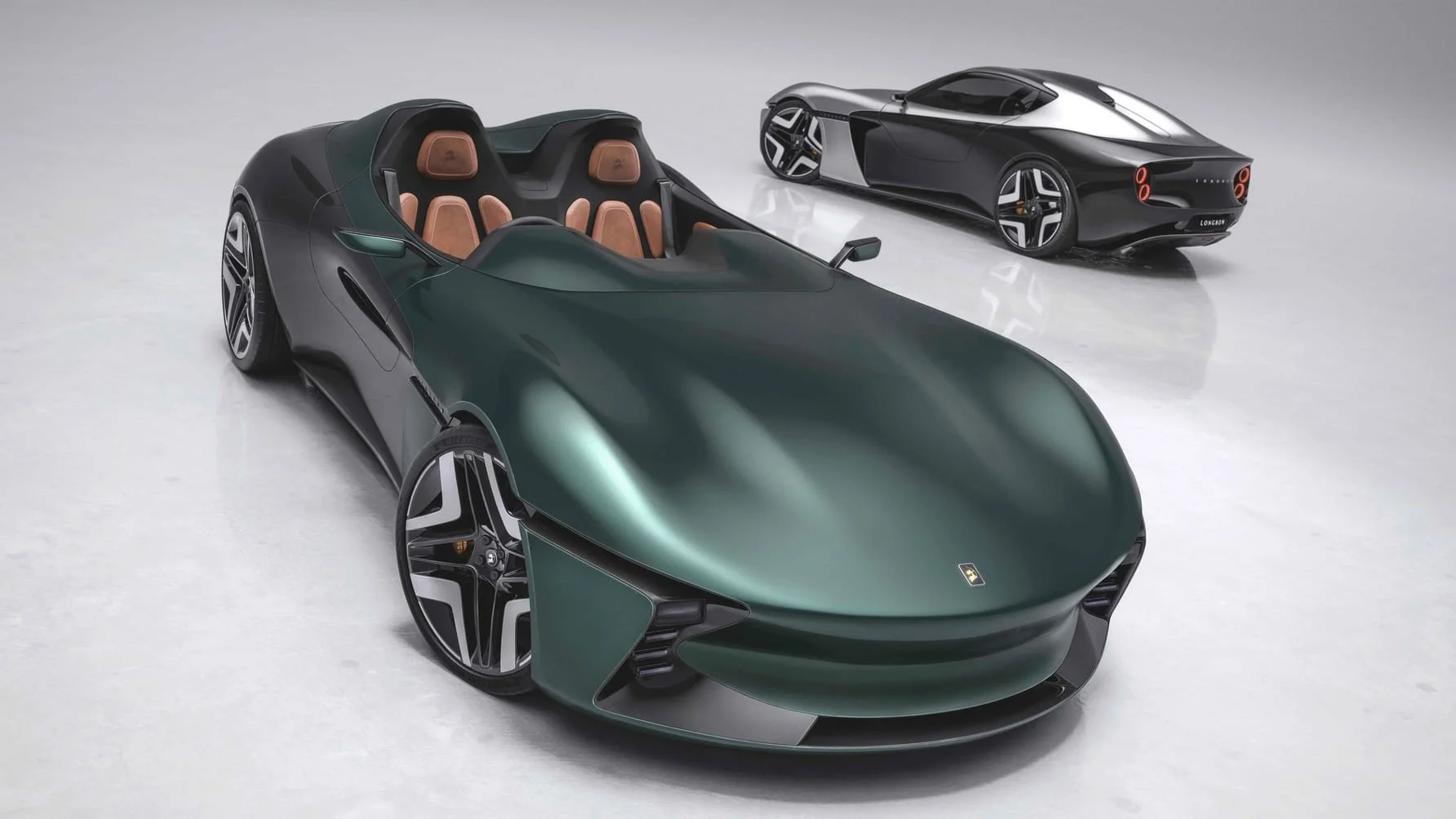
Longbow isn't a savior. It's a reminder. Launching a new car brand in a category most manufacturers have quietly abandoned is genuinely hard, and I won't pretend otherwise. But when Daniel talked about designing a car for themselves, about not chasing volume, about wanting a conversation between driver and machine rather than a performance arms race, I felt something I hadn't felt reading a press release in years. That same quiet excitement I had on a mountain road in Santa Cruz, leaned over on an electric motorcycle, hearing nothing but the road and the birds and my own heartbeat. If the finished product delivers that, then the electron revolution will have earned its place.