Transmitted: Sound, Nostalgia and the Next Generation of Petrolheads
I recently made the petrolhead pilgrimage to the Goodwood Festival of Speed. The event draws a massive crowd, so I got up early after enduring a traditional English slumber cursing their aversion to air conditioning. Sweaty and downing the type of coffee a nation of tea drinkers deems adequate, I began my journey. About the time my caffeine wore off I heard a sound that transported me back to my childhood. The unhinged rumble of an American V8, fully uncorked and fully racecar. My feet moved towards the cacophony before my brain registered what was happening.
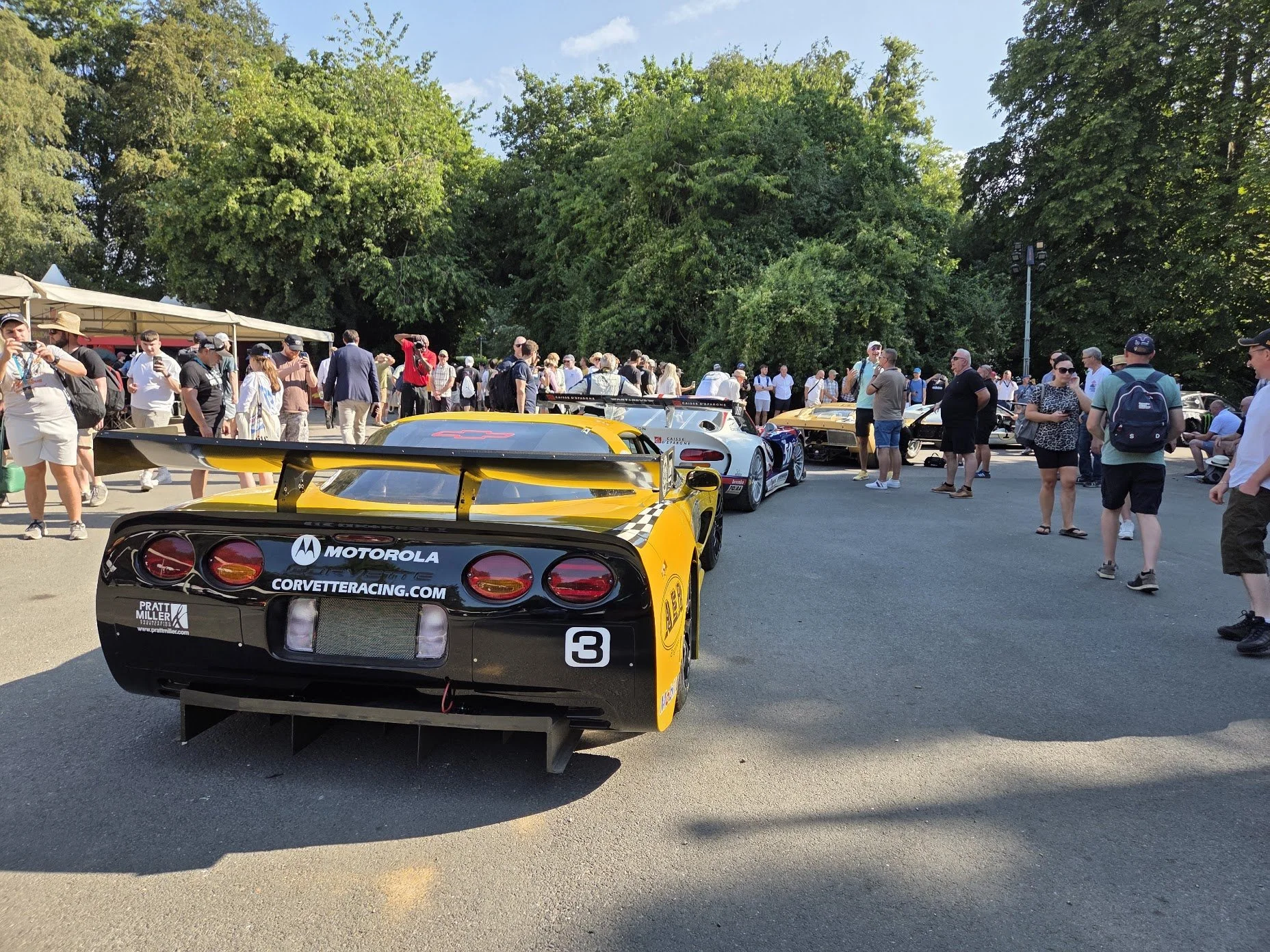
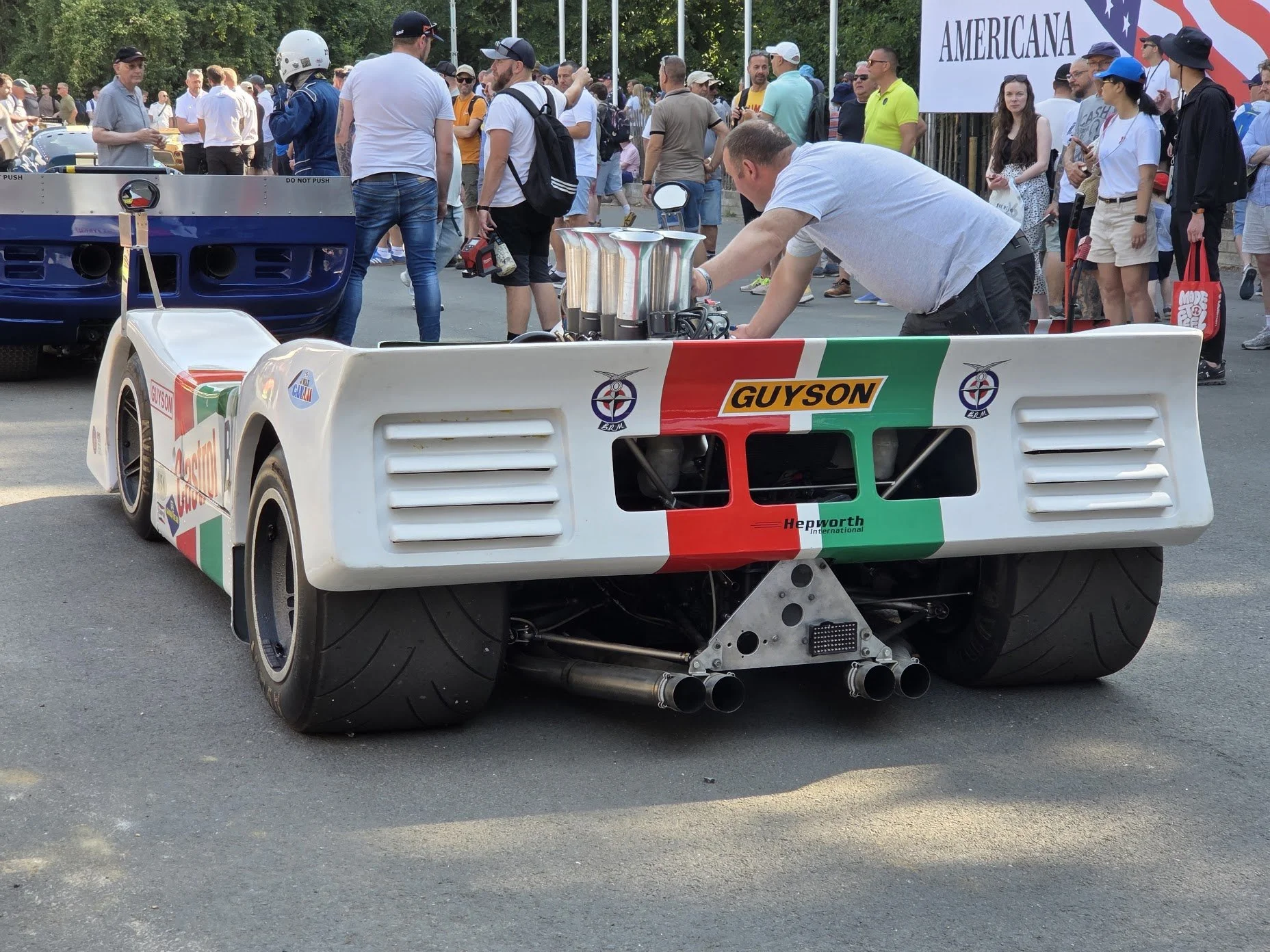
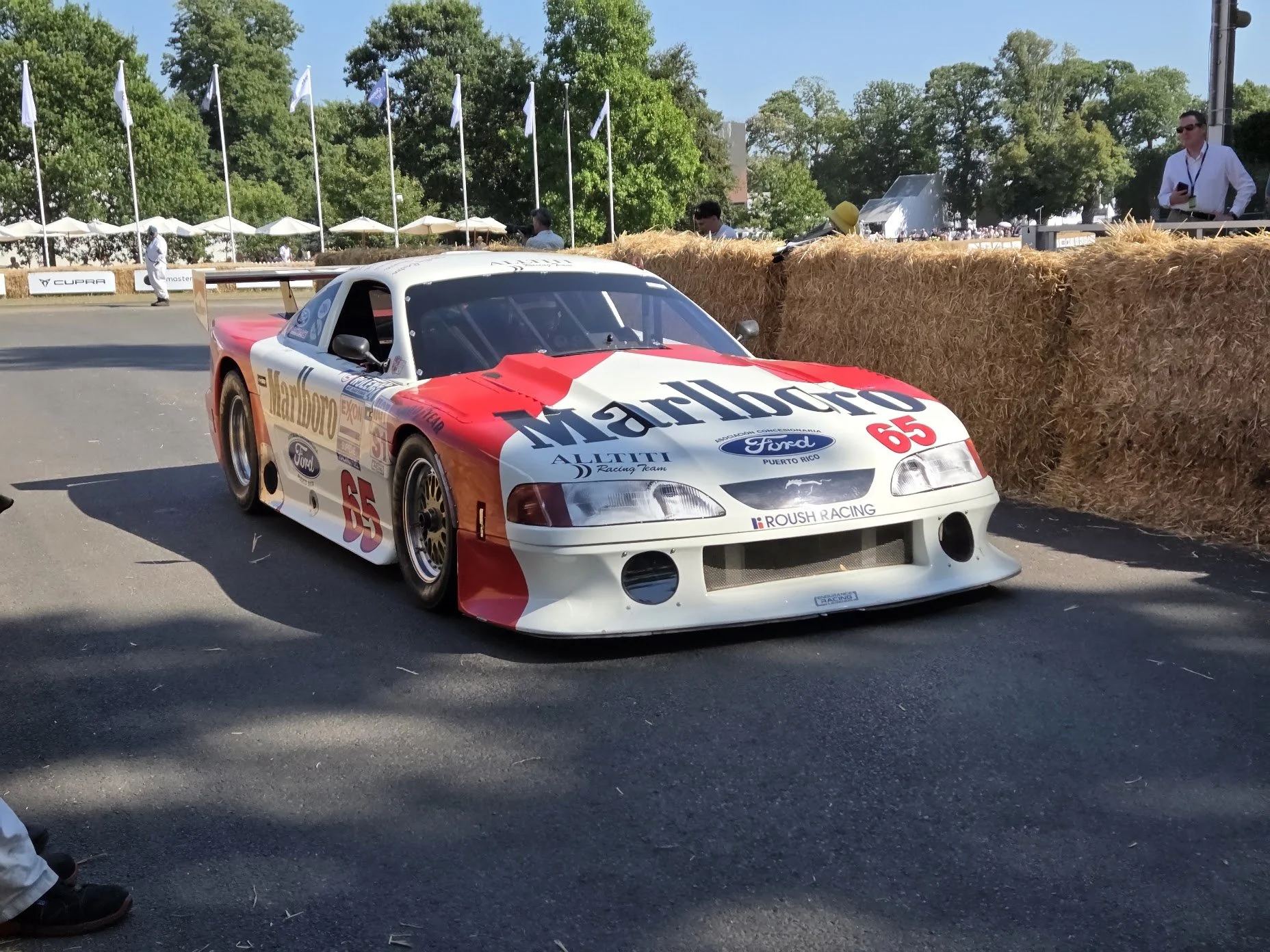
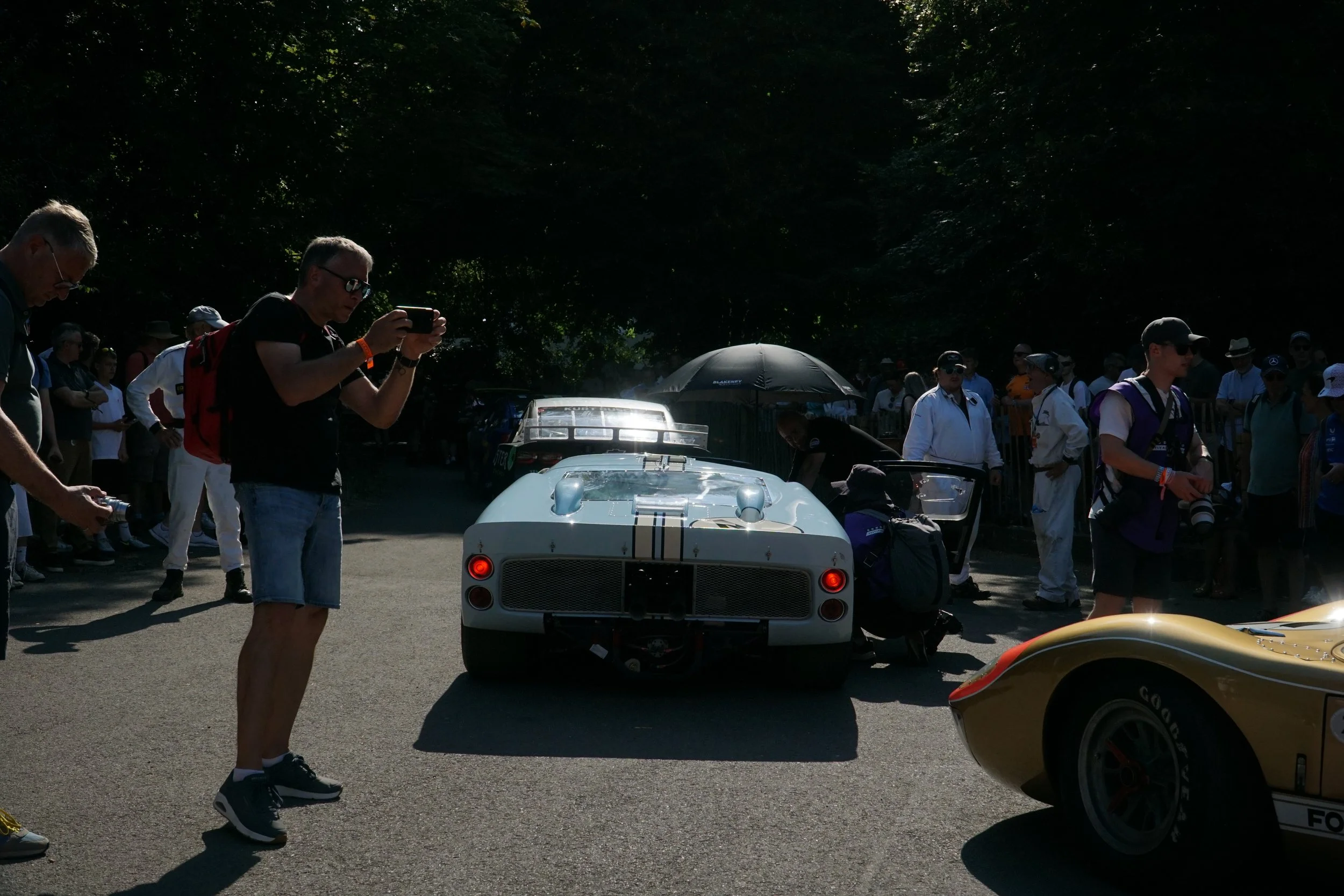
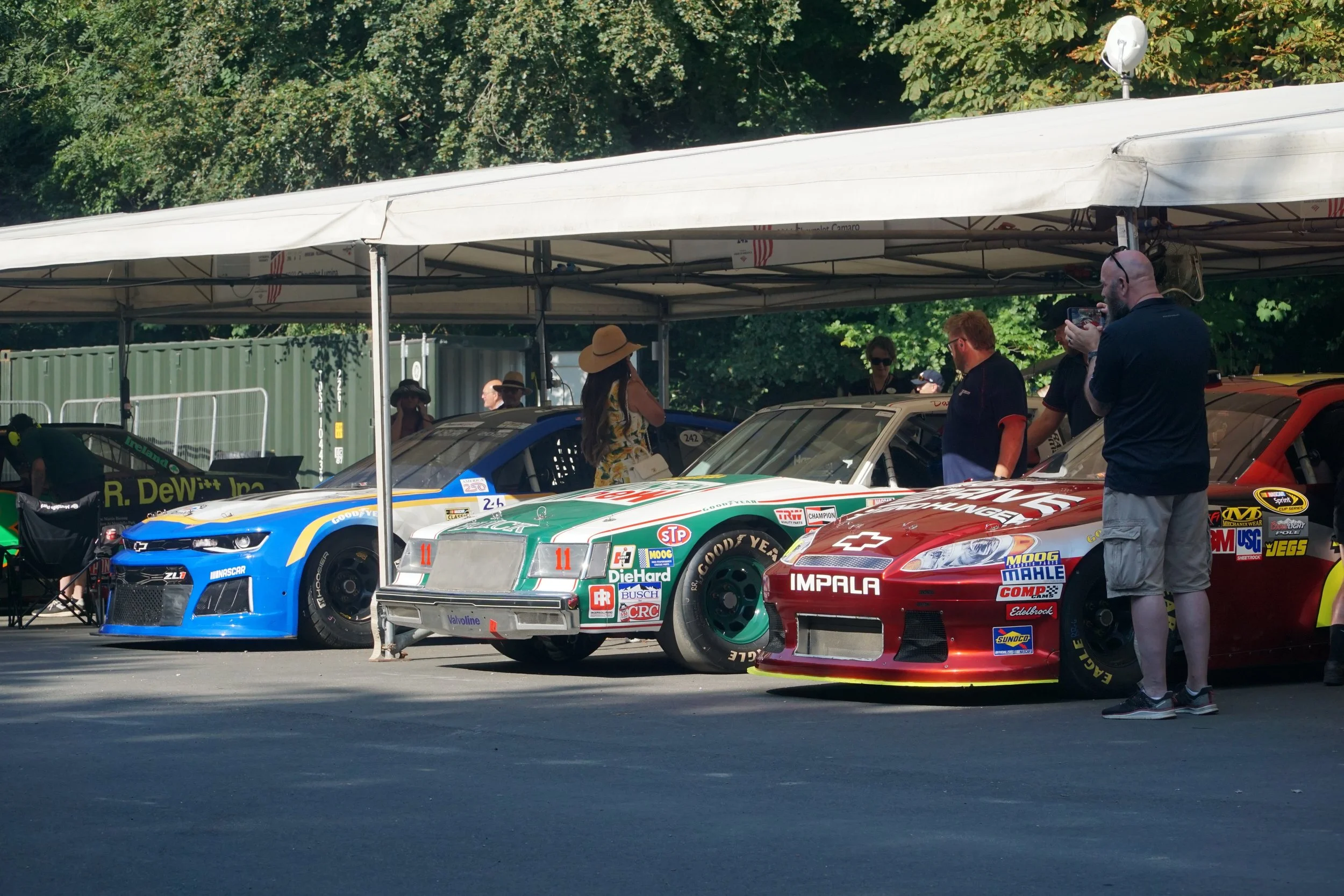
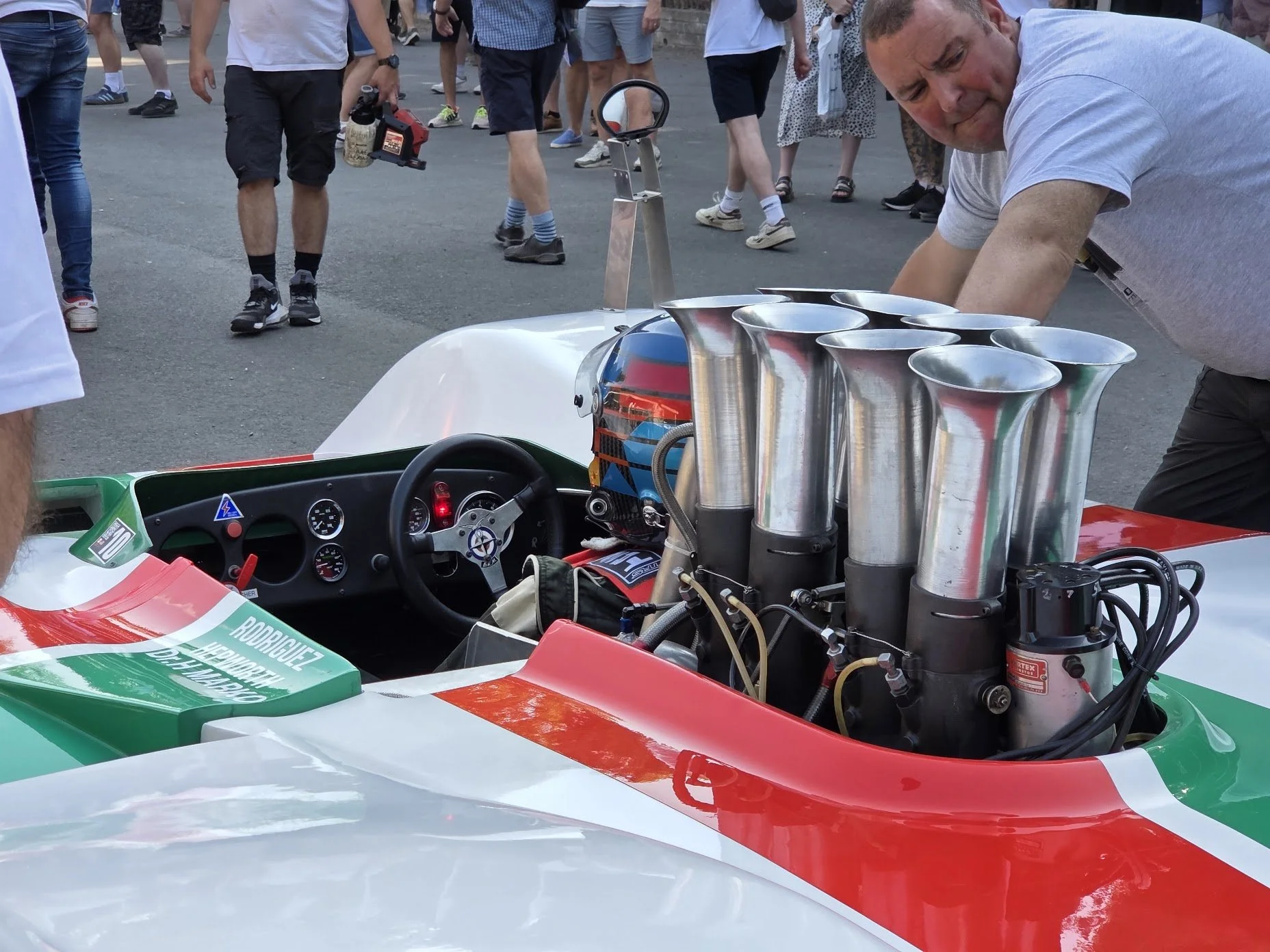
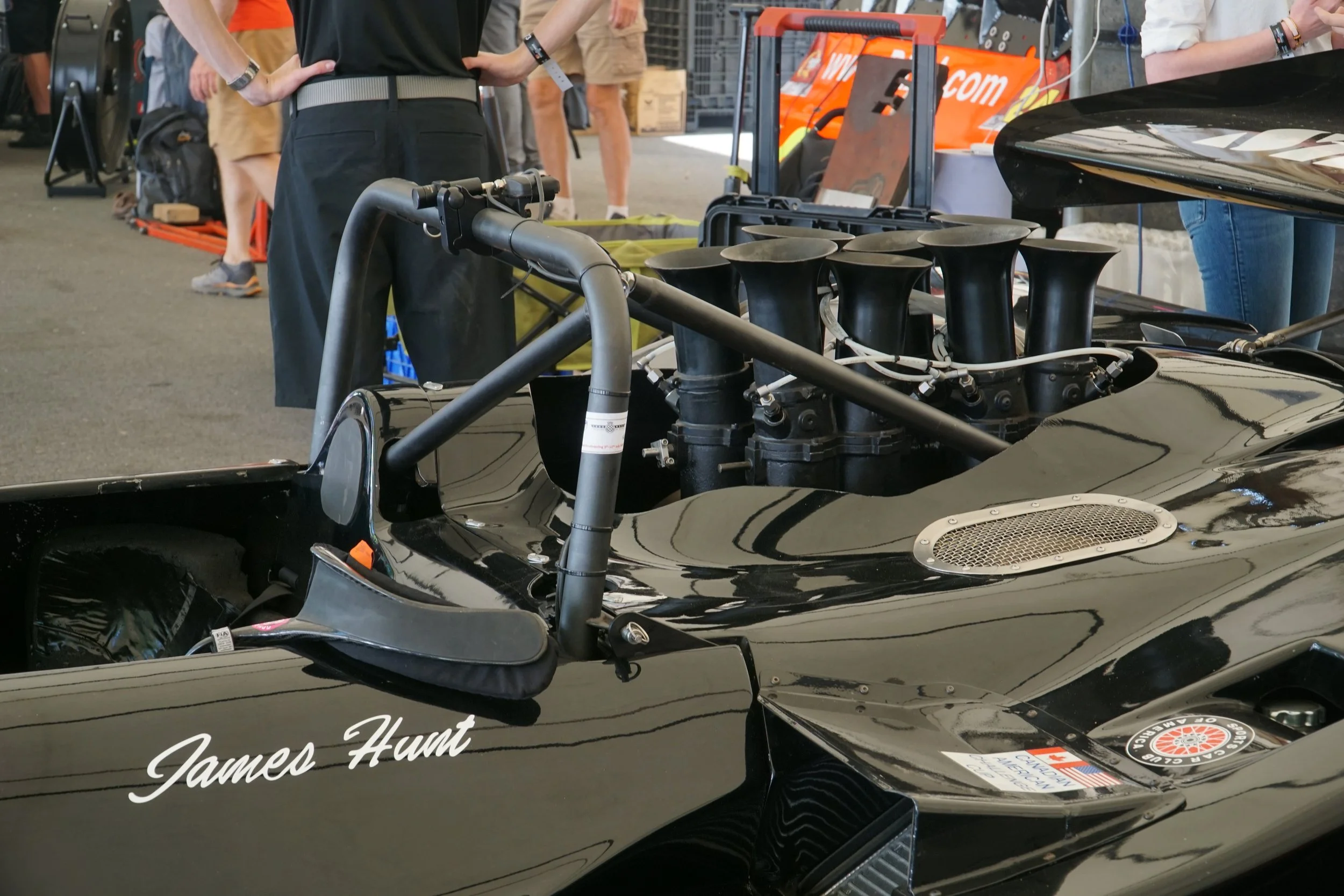
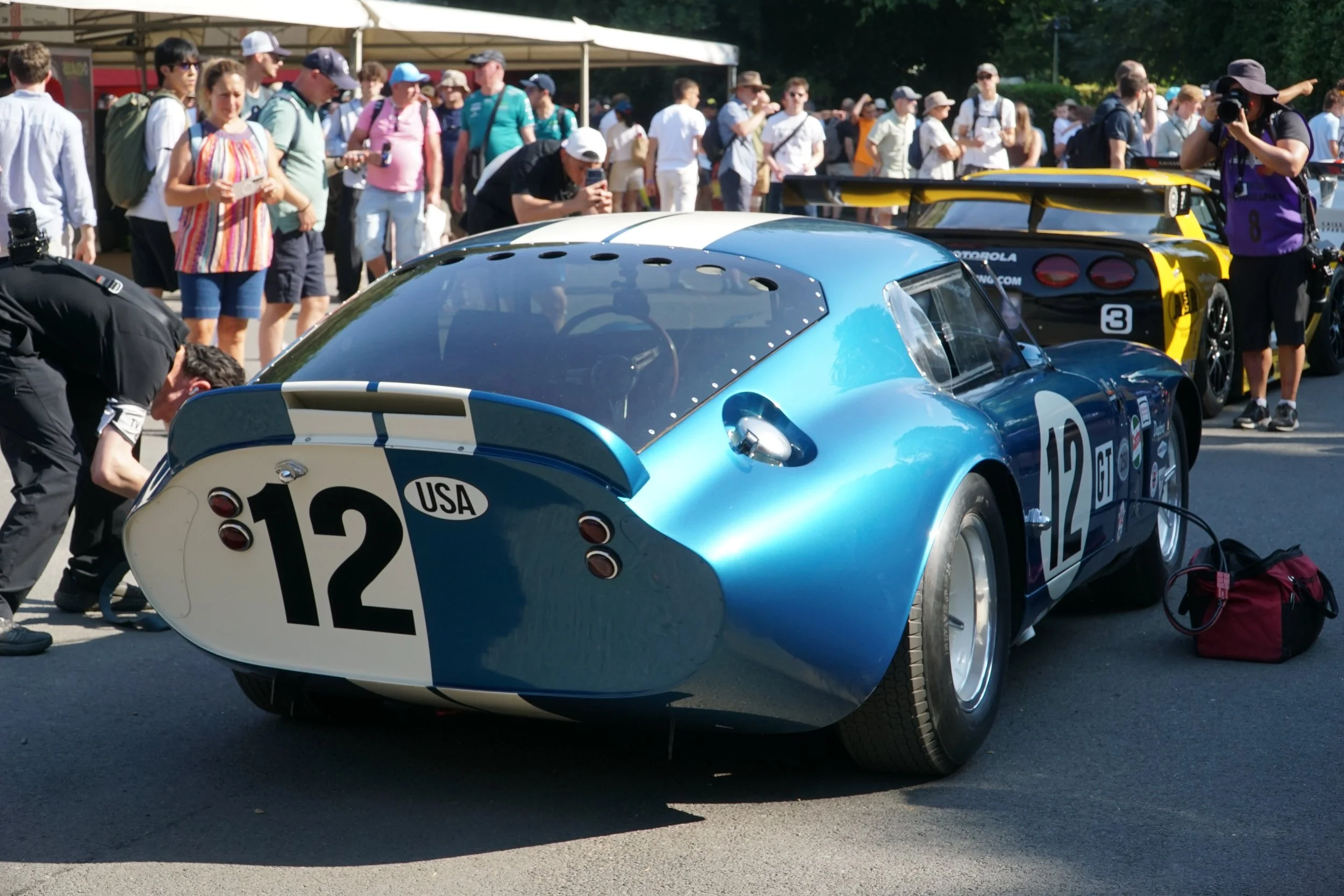
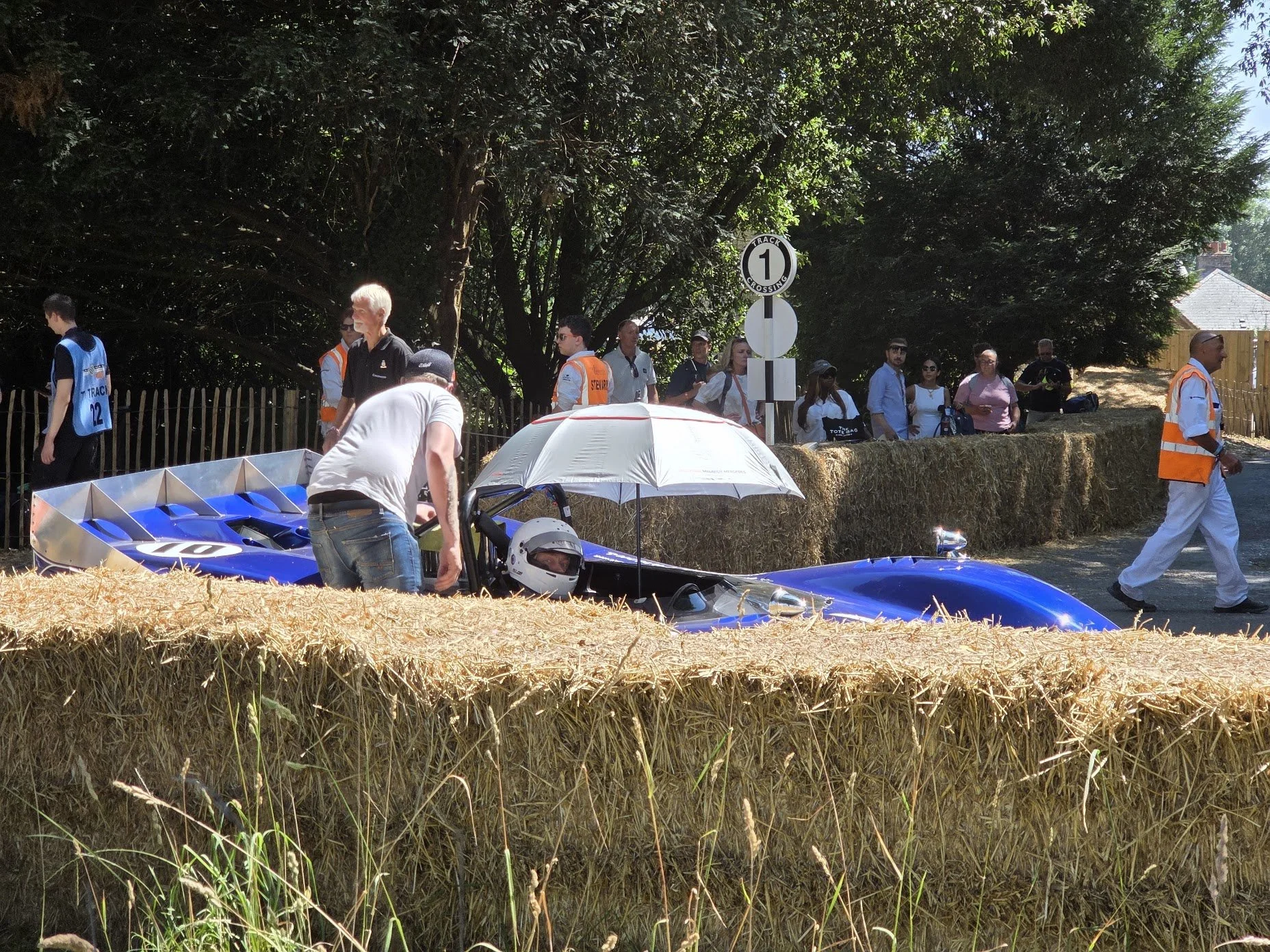
As I approached the clearing I saw them clearly: apex predators having a morning stretch. To the right a Dodge Viper barked to life, to the left an original Cobra Daytona let out a growl, a group of Nascars shook the ground, then the Can Am cars awoke with a sound that was borderline primordial. As much as I love the delicacy of European cars, there will always be something about a large displacement V8. That volcanic rumble is seared into my brain: raw, unapologetic and uncompromising. You can feel these cars in your chest and in your cochleas.
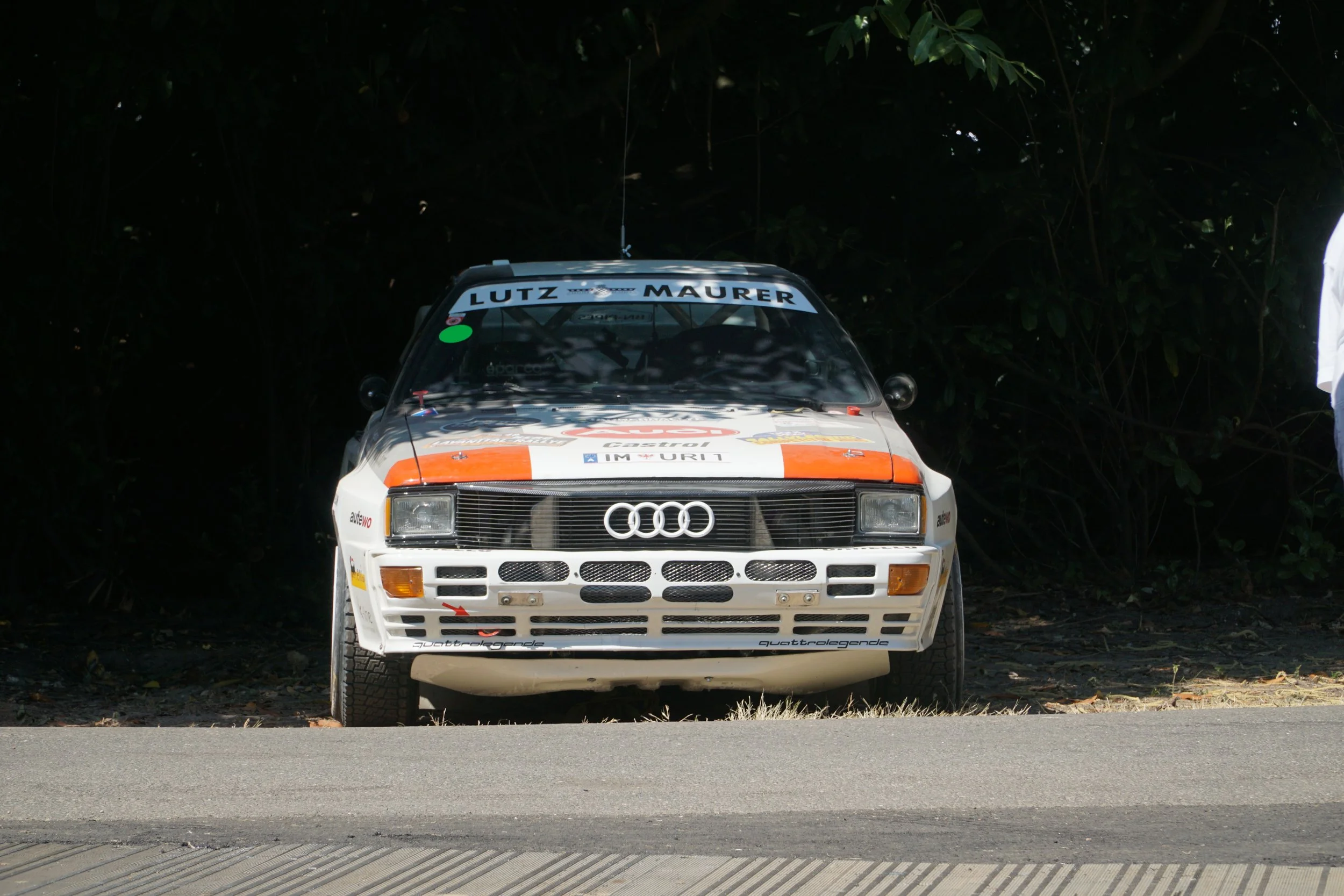
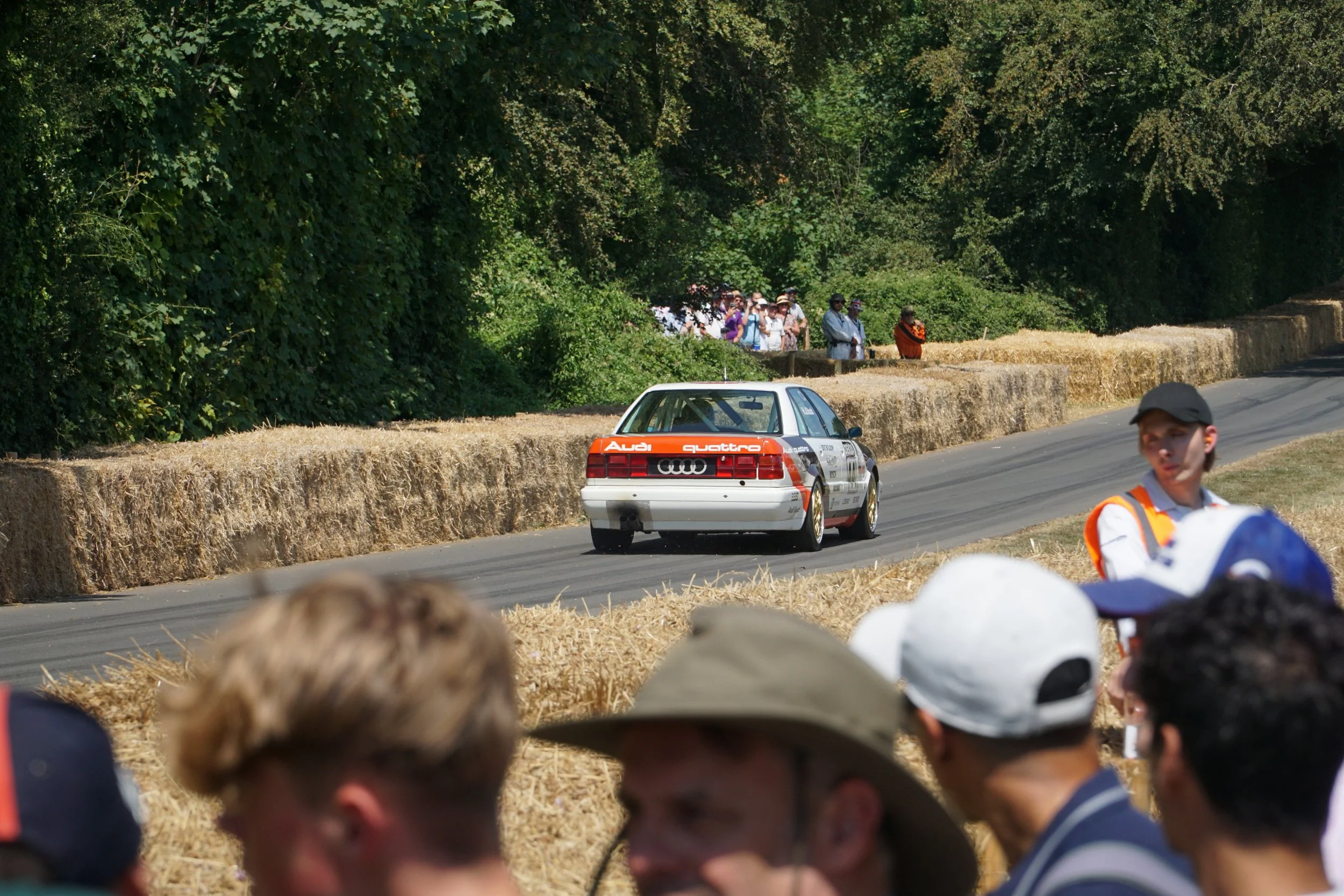
As the day wore on I started reflecting on the sounds more broadly. Naturally aspirated V12s scream, V10s howl, V8s rumble. Inline motors alternate between the balanced 6-cylinder shriek, a funky 5-cylinder warble or the pure 4-cylinder freneticism. The Group B machines of the 80s and the DTM cars of the 90s showed up with unapologetic turbo boost. The shrill shockwave of pressure and anti-lag were thrilling in an if-you-know-you-know type of way. Later came the EV monsters like the Mach E from Pikes Peak and the Formula E spaceships: less intense, but with a presence all their own. Racing has a purifying quality, each form of propulsion is true to itself. There is no auditory tuning, every note is there because it contributes to speed. Each powertrain has a unique voice when you let it speak.
Pondering these acoustic signals transported me back to Road America in Wisconsin. Each summer we’d visit and I learned to identify the sound before the car, the baritone of the yellow C5R, the sharp tenor of the Viper’s V10 and the shrill cry of the Ferraris. These sounds helped to stoke my automotive enthusiasm and this is why events like the Festival of Speed are still such a draw years later.
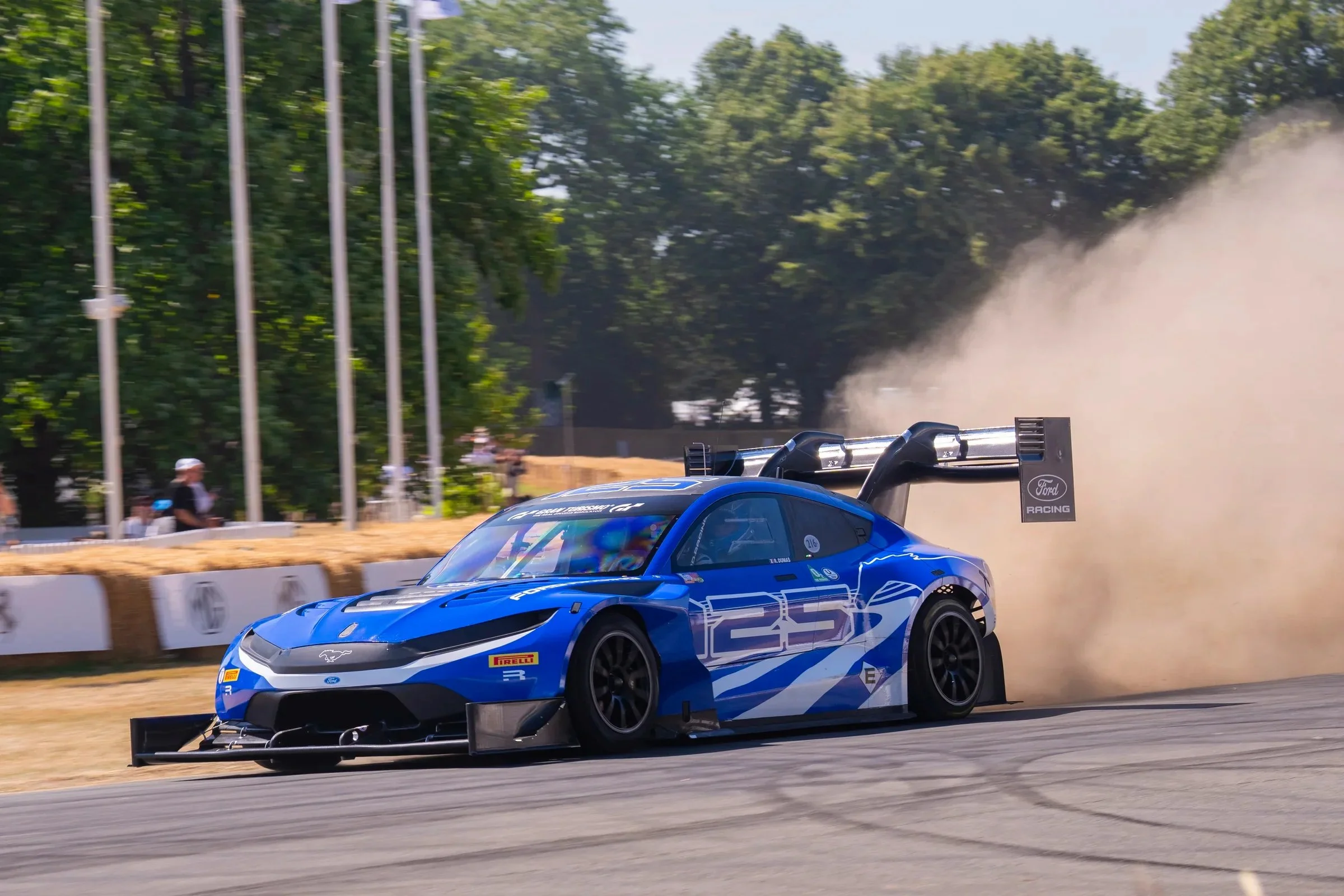
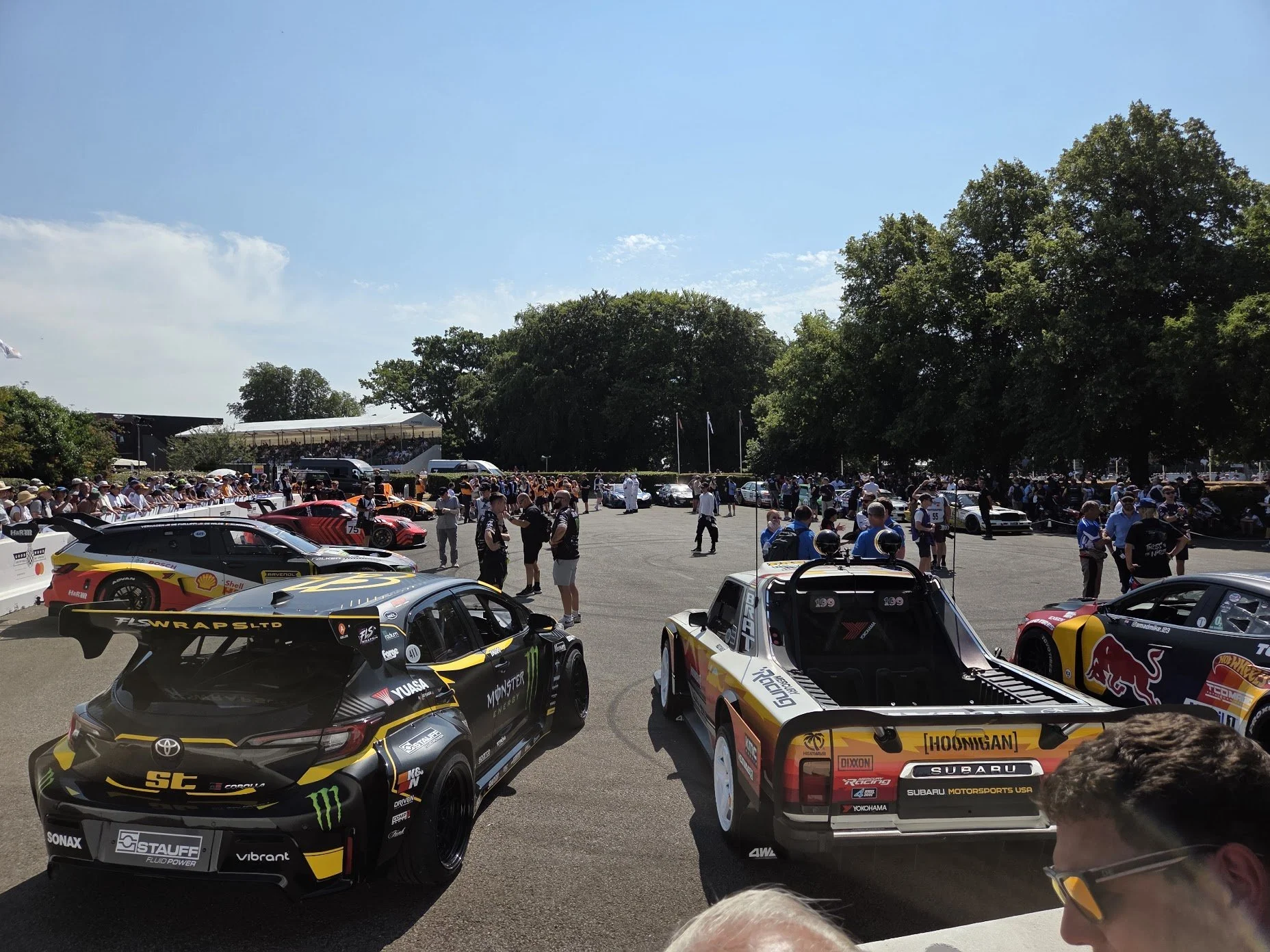
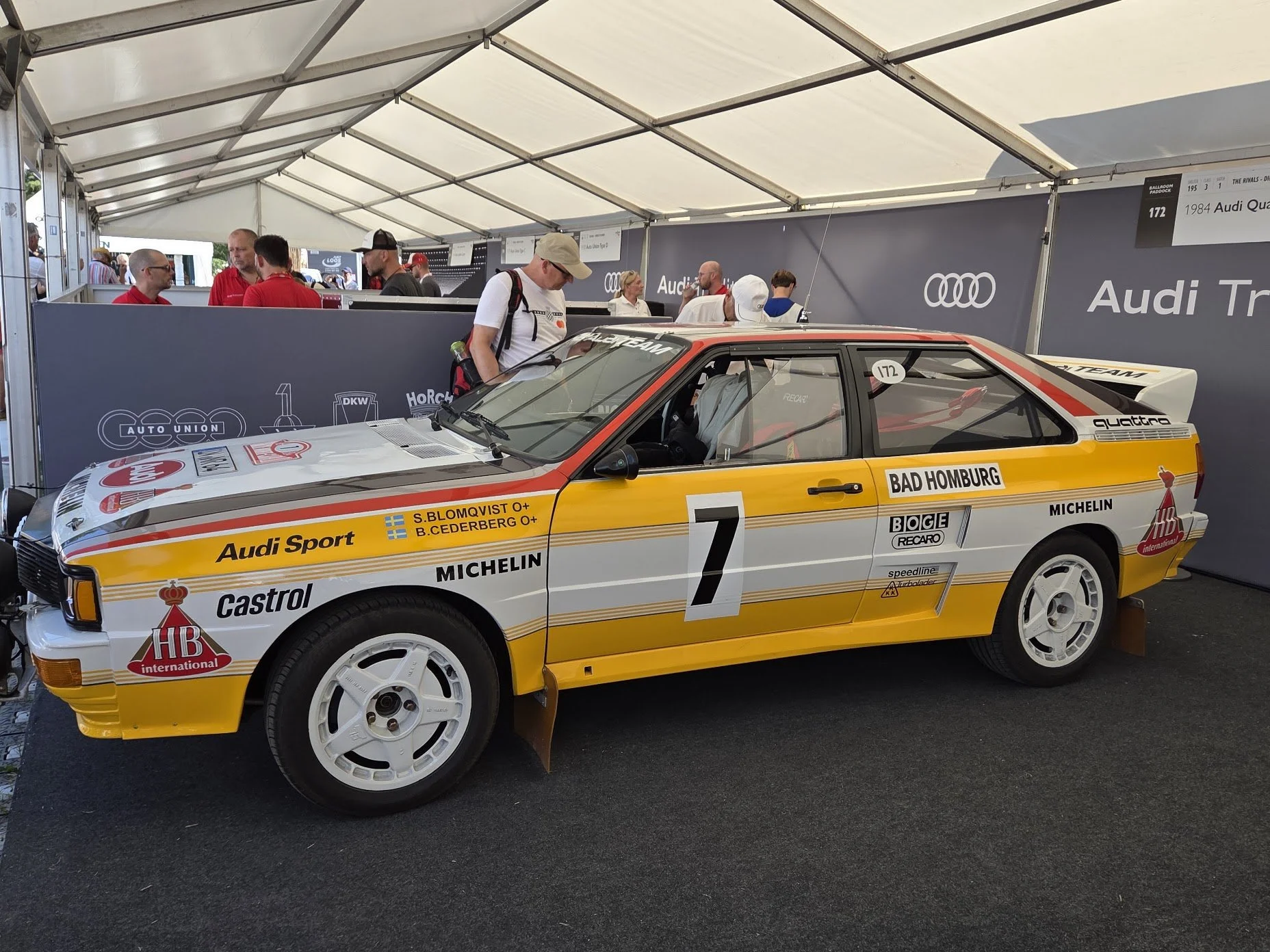
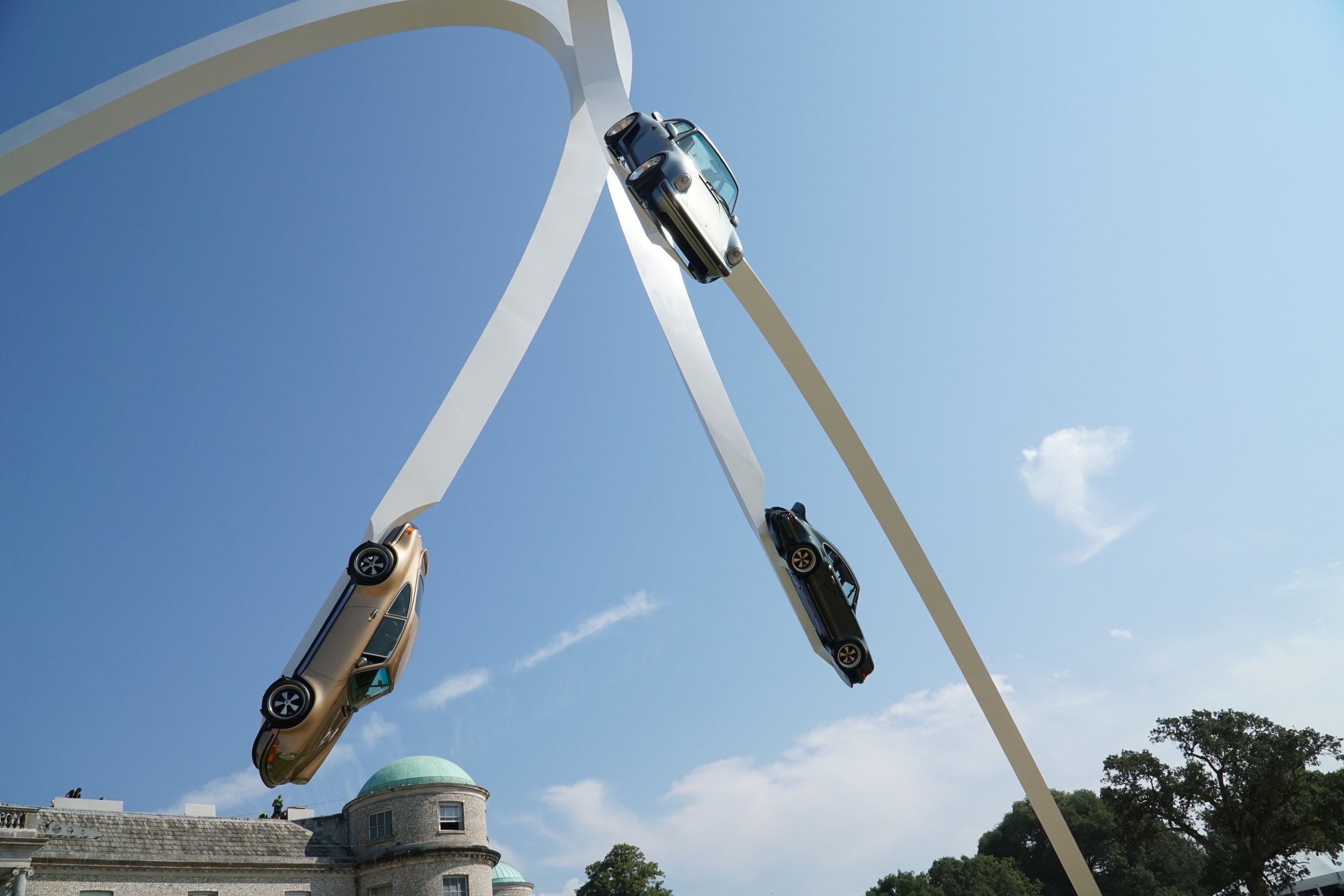
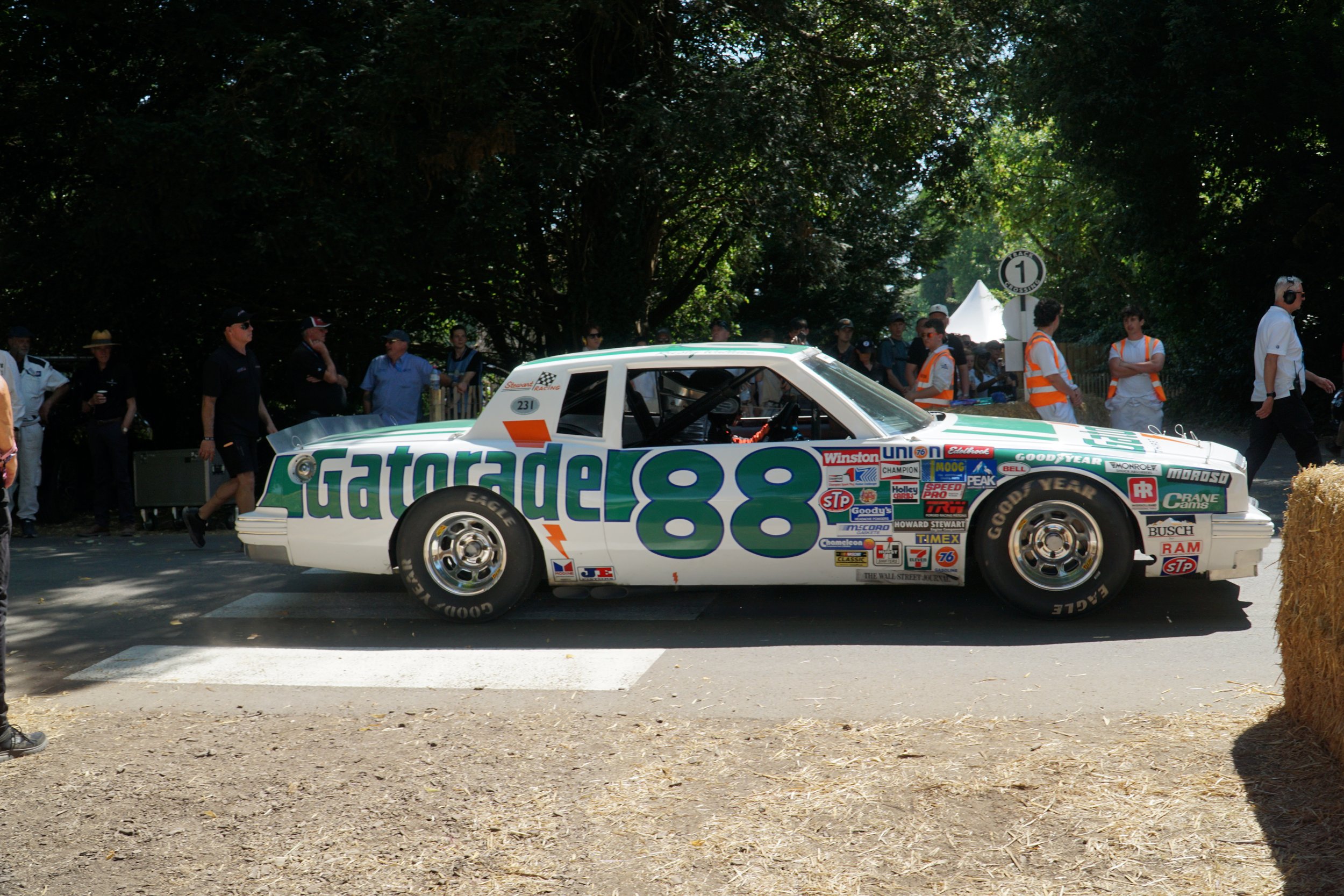
I still believe this is true today. Watching the Mach E racer rip past I could practically feel the pressure wave from its monster wings, the motors emitting their spaceship whine, it’s a machine with presence. I heard some of the older men around me scoff or make snide comments about electric cars or wokeness. But the kids were transfixed: pulling out their phones and climbing the hay bales to get a better look. It probably helped that the car is visibly fast, and like all of the monsters that emerge from Pikes Peak, it looks completely insane, but I also think it’s something they can relate to. They see Mach E’s in their neighborhood. The connection to motorsport isn’t being lost, but it is changing the translation. Automotive enthusiasm only dies out if manufacturers let it. If the industry can be intentional enough to build vehicles that capture the imagination they will continue to produce the next generation that shows up at Goodwood at 7am and doesn’t leave until the sun sets.
Any questions on the future of automotive passion were laid to rest on my drive back to London that evening. As I drove down the narrow country roads and passed through the little towns surrounding Goodwood I saw them, the lawnchair kids. These kids wait until everyone heads home to car-spot all of the crazy metal that Goodwood attracts. Every other mile they were out there with cameras and a chair, snapping pictures of a GT3 RS, cheering on a Lamborghini Countach or trying to put a name to an Alfa Romeo SZ. The passion is there, still transmitted through sight and sound, whatever the powertrain.