The Beginning of Ferrari’s Fall?
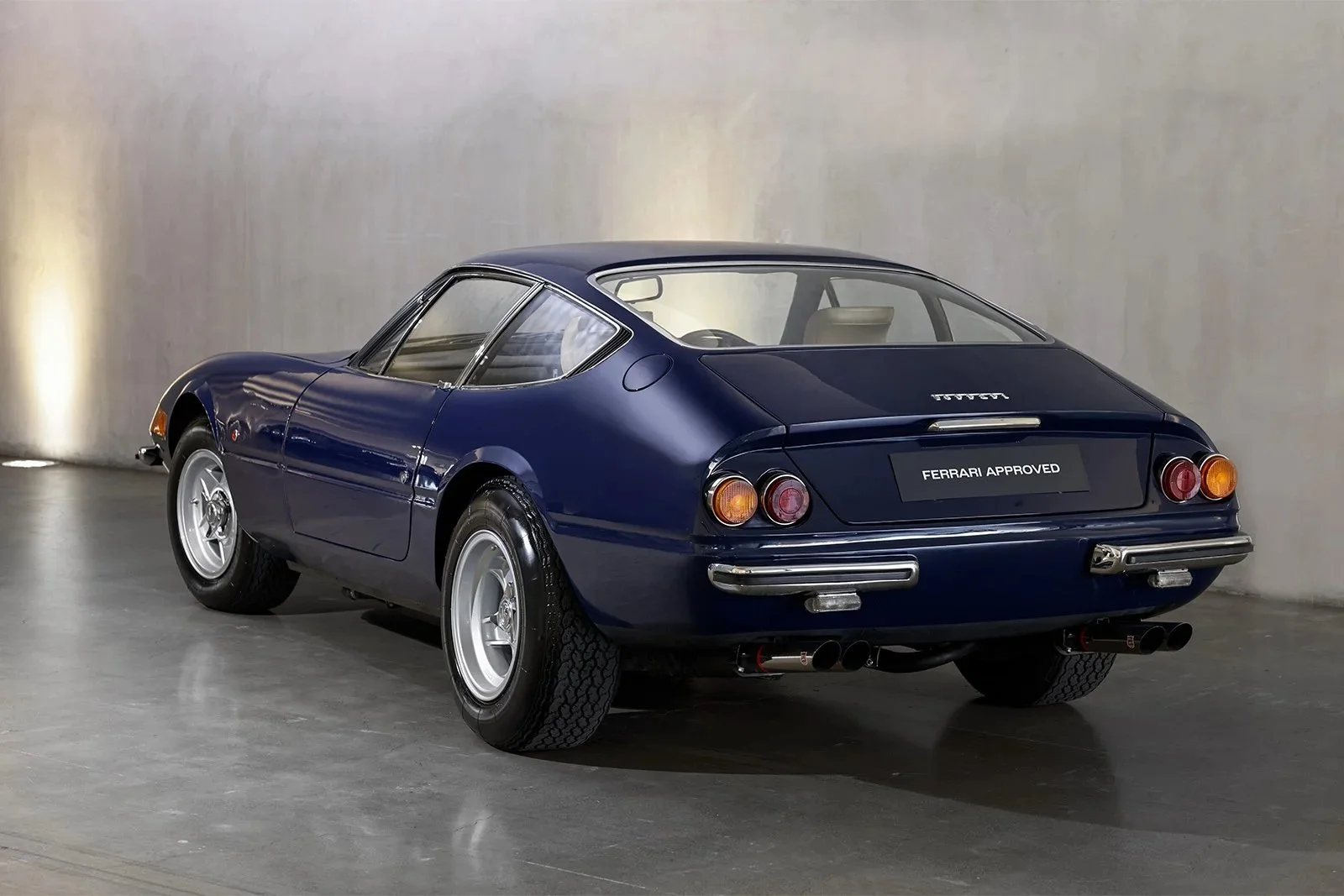
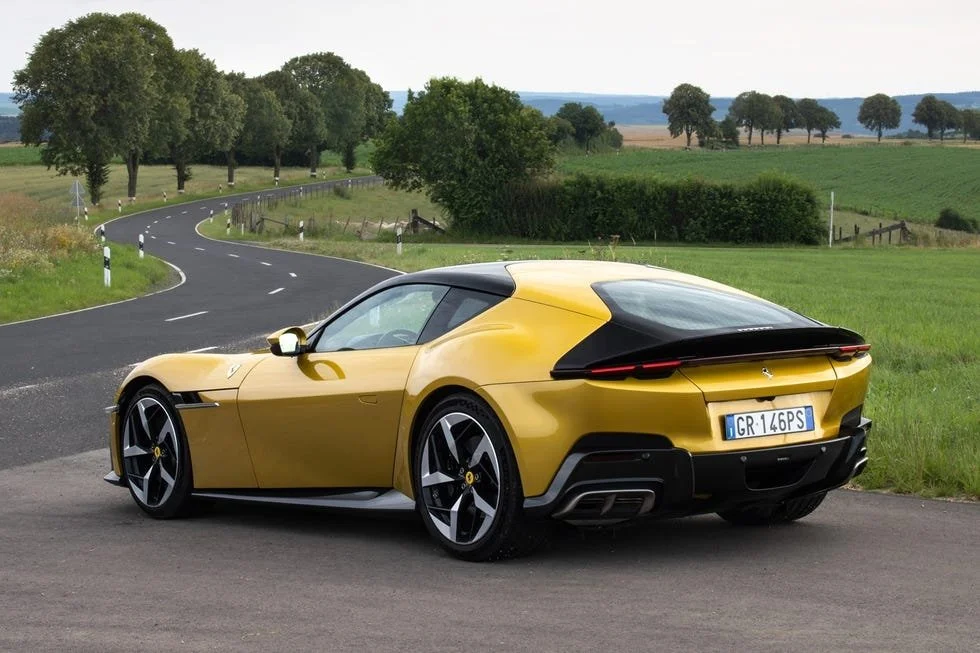
Place a 365 GTB/4 Daytona beside the new 12Cilindri and the lineage is obvious. The long hood remains, the rear-set cabin persists, the V12 still defines the identity. And yet something in the posture has shifted. The Daytona’s roofline falls decisively into the rear deck, its greenhouse is compact relative to its body. Chrome details and slim bumpers visually lighten the mass. The car looks hunkered down, taut, restrained. The 12Cilindri is wider, taller, more segmented. Blacked-out rear pillars attempt to compress the height, but the cabin occupies more vertical space. The stance is assertive rather than elegant. Where the Daytona whispers strength through restraint, the 12Cilindri declares it through presence.
“I sell engines, the cars I throw in for free”
— Enzo Ferrari
This balance between aggression and beauty was not accidental. Enzo Ferrari famously claimed, “I sell engines, the cars I throw in for free”. But he understood early that power required form. His partnership with Battista “Pinin” Farina was more than convenient—it was philosophical. Enzo built the thoroughbred chassis; Pininfarina dressed it. As Battista once described it, “one of us was looking for a beautiful, famous woman to dress and the other a world-class couturier to deck her out”. The engines screamed, the bodies seduced. Power and restraint coexisted.
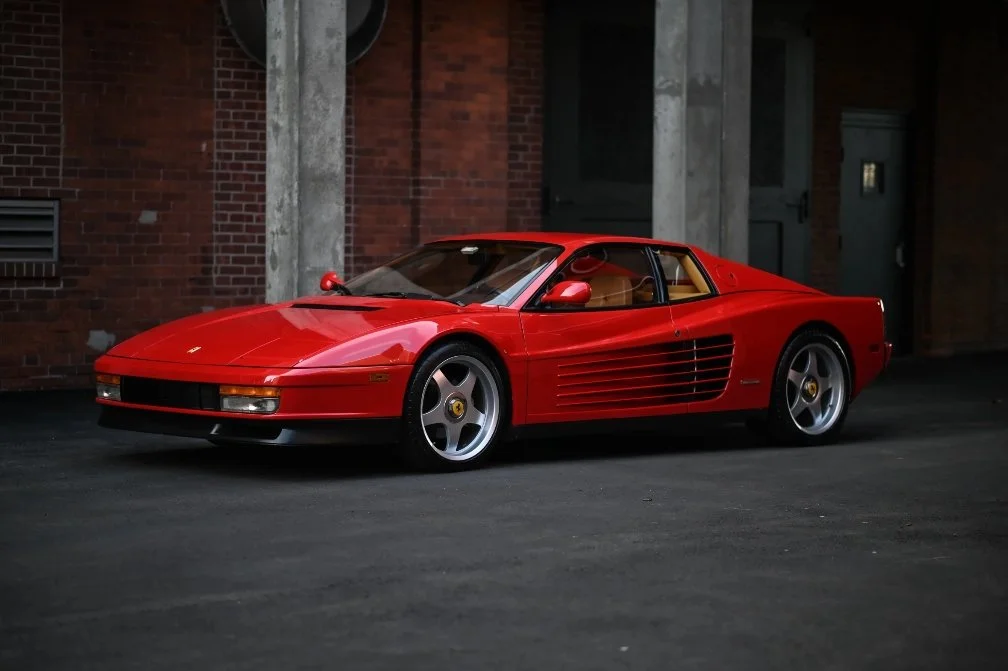
For decades that tension held. Even the dramatic Testarossa of the 1980s—a car that filled countless bedroom walls—remained disciplined in proportion. Its width was counterbalanced by an extraordinarily low roofline and strong horizontal emphasis. The strakes did not simply decorate; they controlled the surface tension. The aggression was theatrical but ordered.
“Above all else, it must be beautiful”
— Battista ‘Pinin’ Farina
The shift away from Pininfarina toward an in-house Centro Stile under Flavio Manzoni marked a quiet inflection point. This was not a rupture, but an evolution. Ferrari sought greater integration between engineering and design; understandable in an era where aerodynamics and packaging dictate performance. The wind tunnel increasingly held equal influence with the studio.
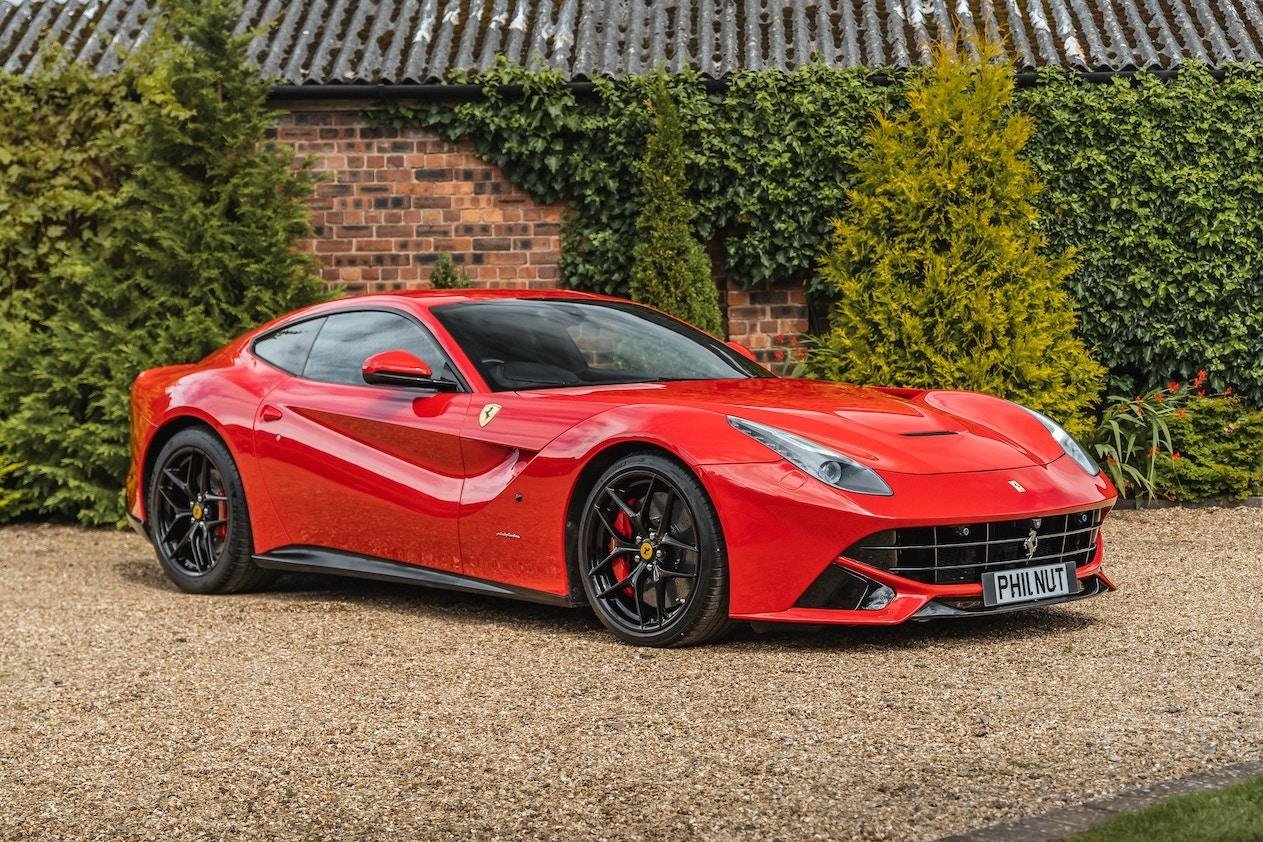
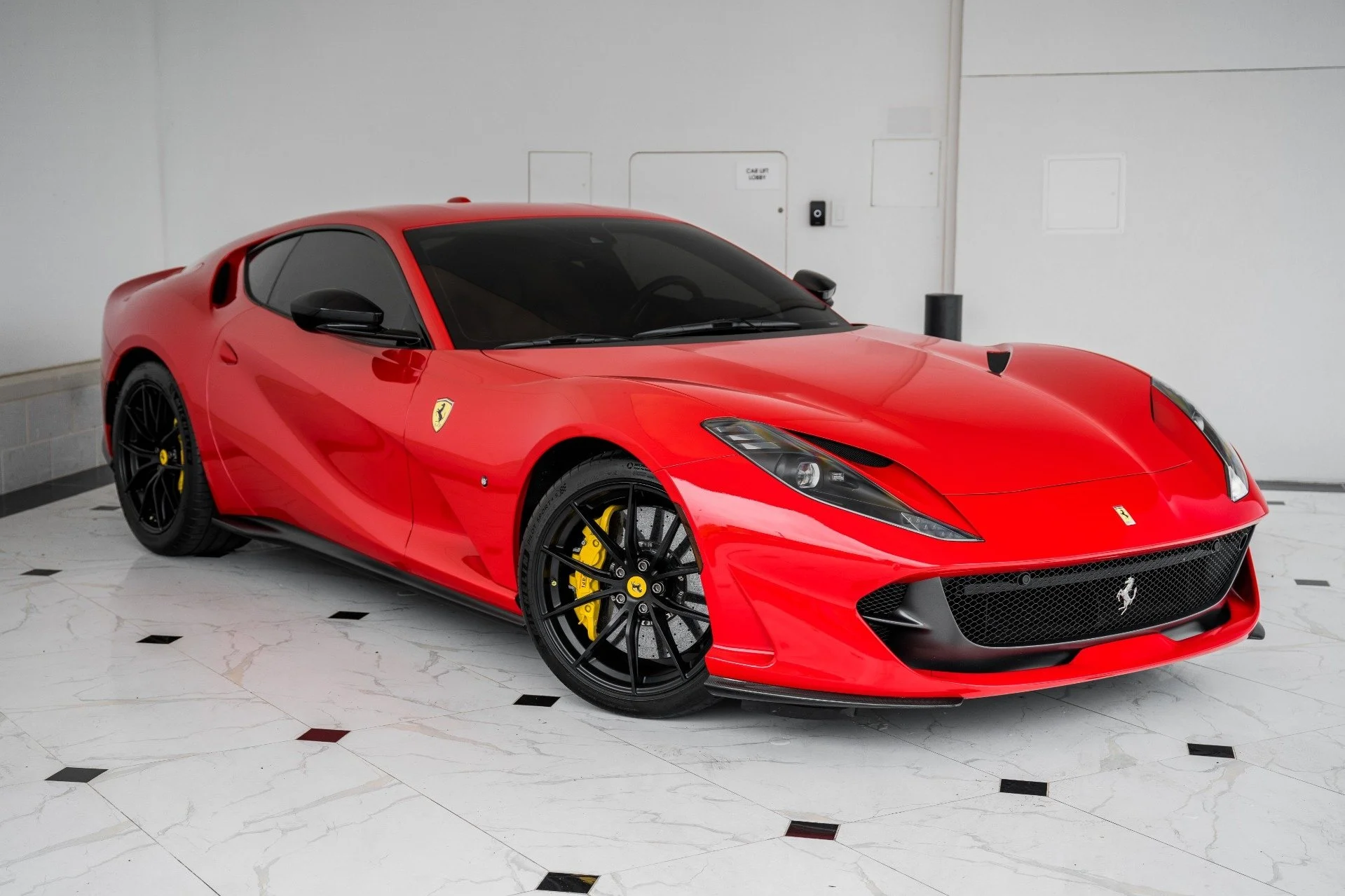
Compare the F12 to the 812 Superfast and the change becomes visible. The F12, Pininfarina’s last Ferrari, still feels sculpted by a wrist—organic, flowing, its surfaces pulled tight over the mechanical mass beneath. The 812 Superfast, the first fully Centro Stile Ferrari, sharpens that theme. The nostrils widen, extra vents appear, aero intrusions deepen. The differences are incremental, but taken together they signal a philosophical shift. Where once proportion and aerodynamics danced together, now airflow simulations appear to set the boundaries within which beauty must operate.
Across the range, the cars have grown taller and more visually dominant. Flat surfacing replaces curvature in key areas. Negative space is often achieved through black panels and visual segmentation rather than sculptural depth. The new reinterpretation of the Testarossa, the 849, borrows cues from the past, yet the horizontal purity feels compromised. Taller proportions lend a monolithic presence, more assembled than sculptured.
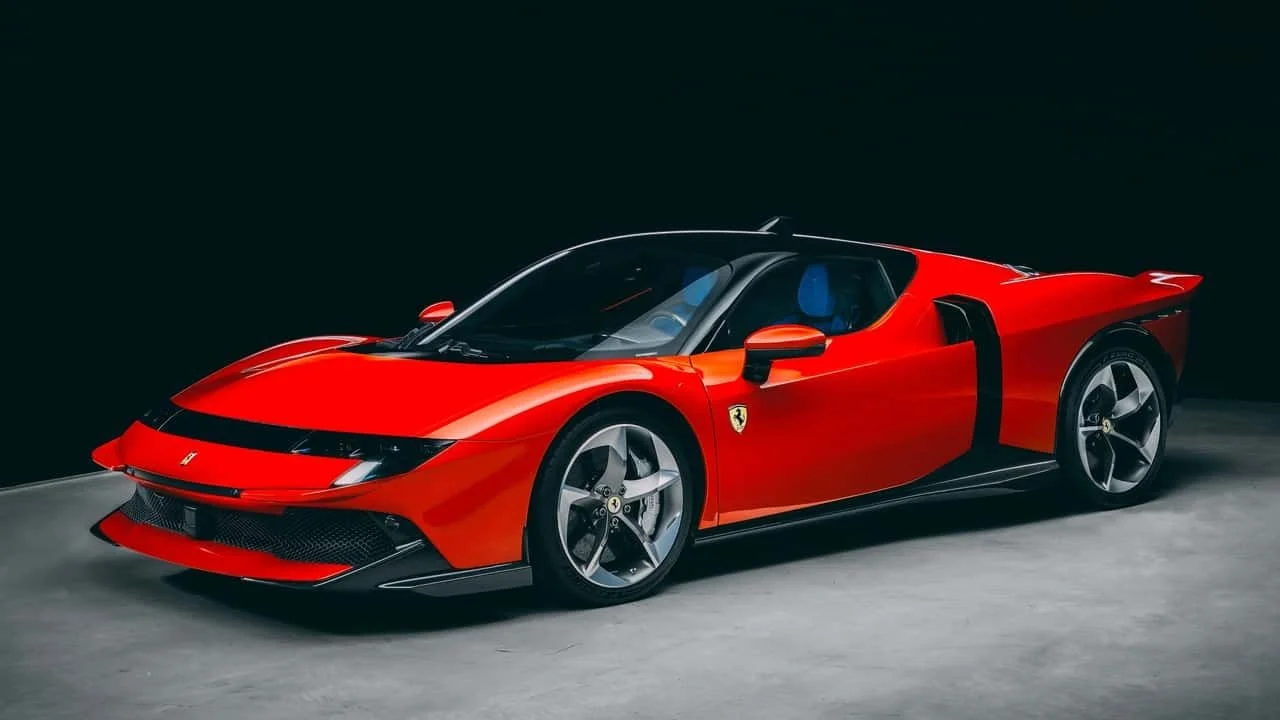
None of this suggests decline in capability, quite the opposite. Ferrari is more profitable than ever. It is publicly traded, scaling production, diversifying its portfolio. The Purosangue SUV is selling briskly. Hybrid systems deliver staggering outputs. Even the “entry-level” 296 produces over 800 horsepower, a number that would have been hard to fathom a generation ago. Software allows drivers to explore the limits of traction with unprecedented safety. The lap times continue to fall, but capability and coherence are not the same thing.
Modern Ferraris are so fast that they must insulate their drivers from their own potential. Electronic stability systems permit tail-happy theatrics while maintaining a margin of control. The engineering is astonishing. Yet part of the satisfaction of older Ferraris lay in the dialogue—the gradual building of trust through steering feedback, throttle precision, suspension communication. The cars rewarded fluency, patience, and intuition. Today’s cars flatter more quickly. They are objectively superior machines; whether they are more intimate is less certain.
These tensions reflect a broader cultural shift. We live in an era that demands measurable output—speed, scale, growth, optimization. Public companies answer to quarterly rhythms. Metrics clarify success; optimization becomes the language of legitimacy. In such a climate, horsepower becomes a headline and lap times become the northstar. When performance becomes proof of worth, proportion becomes negotiable.
There is also the question of scarcity and scale. Ferrari has long managed allocations carefully, and the practice is not unique within luxury. But scarcity rooted in craft feels sacred. Hermès can credibly claim production limits because artisans train for years before stitching a Birkin. Ferrari, by contrast, is increasing capacity even as it structures access to halo products through purchasing history. Scarcity manufactured for demand management feels different from scarcity born of constraint.
Ferrari does not lack engineering brilliance, nor does it lack ambition. What it risks losing is something subtler: the sense that beauty and force are in conversation rather than competition. The brand’s enduring power was never just speed. It was the marriage of speed and silhouette, aggression and grace. The modern cars feel more explicit, more determined to show how capable they are. Early auction signals suggest the market is not as uniformly enthusiastic about this latest generation as it once was.
Perhaps the world is not tired of performance, but simply weary of spectacle. If Ferrari can rediscover restraint—not by abandoning progress but by rebalancing it—proportion might once again lead. Proportion is what once made its speed so seductive.