Execution Without Interruption: Audi’s New RS5
2,370 kilograms, that’s the most important number in the new Audi RS5’s spec sheet, that’s the curb weight. The RS5 is seemingly all about the numbers. 630 horsepower from its hybrid twin-turbo V6. Torque vectoring measured in milliseconds. 0–62 in 3.6 seconds. 74mpg. But it's a full half-ton heavier than something like an M3 Touring. The RS5 is, astonishingly, about as heavy as a Ford F-150 Supercab (with the V8, with the 8 foot bed). How do you like those numbers?
It’s a techno-marvel: internal combustion refined to its peak, electrification layered on top, software orchestrating everything beneath the surface. I recognize the feeling: the comfort of a system humming along, optimizing itself, is easy to confuse with progress. Audi’s engineers didn’t fight the complexity, they embraced it. The battery is actively managed to maintain performance. Even in its most aggressive modes, the system is thinking ahead, correcting, optimizing.
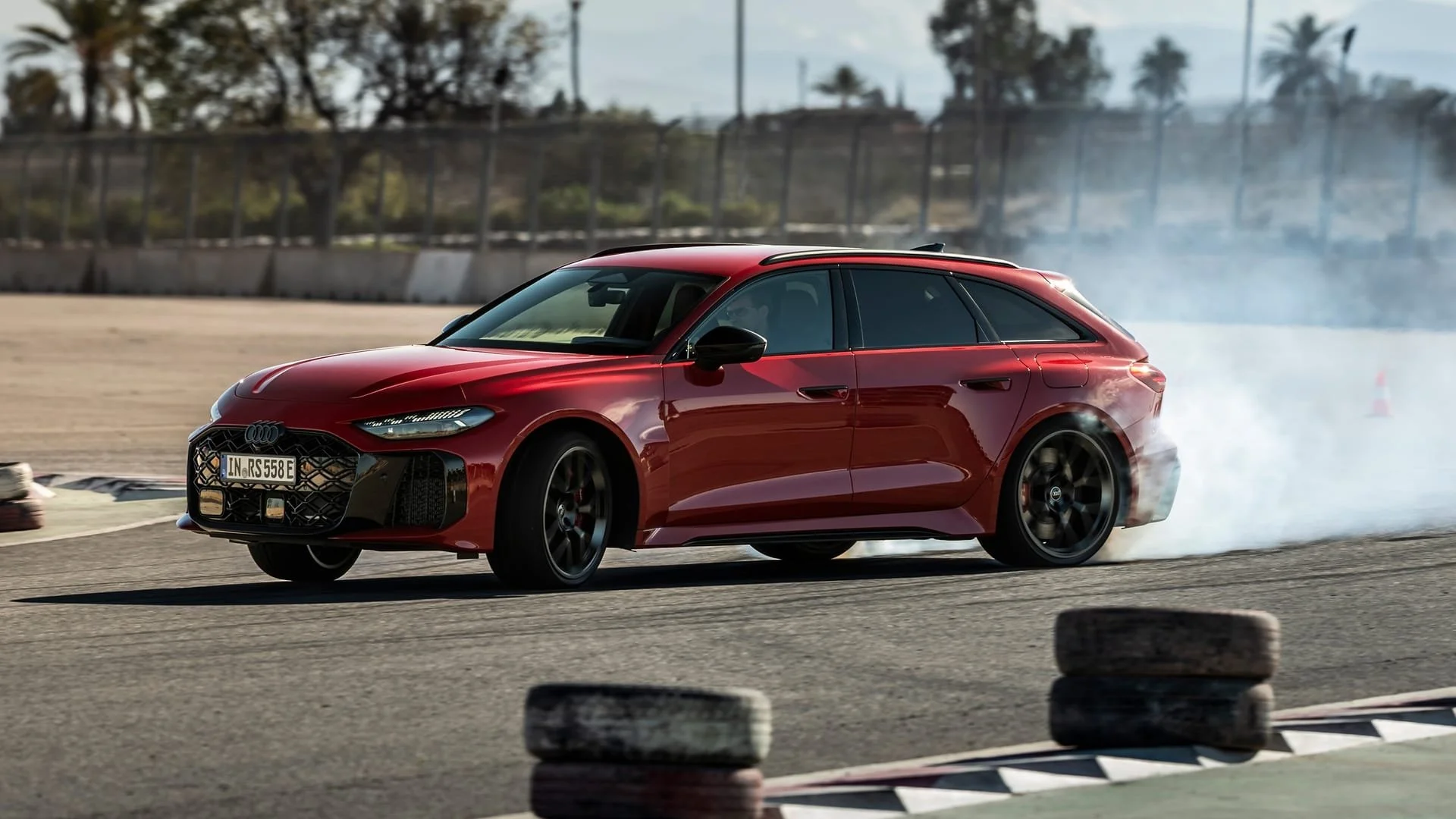
The result, we’re told, is a car that can “vector its way out of trouble.” That line says more than it intends to, driving feel is now dictated by algorithmic trickery. Because the RS5 isn’t just powerful, it’s reactive. Every layer of technology exists to compensate for the last:
The powerful engine needs hybridization to reduce emissions.
The battery adds weight, so you need bigger brakes.
The brakes add mass, so the suspension has to be strengthened.
The added weight and stiffness demand torque vectoring to maintain agility.
And on it goes.
This is not the lightweight virtuous circle that once defined great performance cars, where removing mass improved everything at once. It’s the reverse. A compounding loop of solutions, each solving for the consequences of the previous one. The result is extraordinary capability. But also a question: who is it for?
No one sets out to build weight. No one fantasizes about managing complexity. These are solutions to constraints, not expressions of desire. There was a time when performance came from reduction. Less weight, less interference, less between you and the road. Now it comes from addition. More systems, more control, more correction. The RS5 doesn’t ask you to drive around its limits, it removes them. Yet at the same time, it’s removing responsibility, engagement, maybe even meaning.
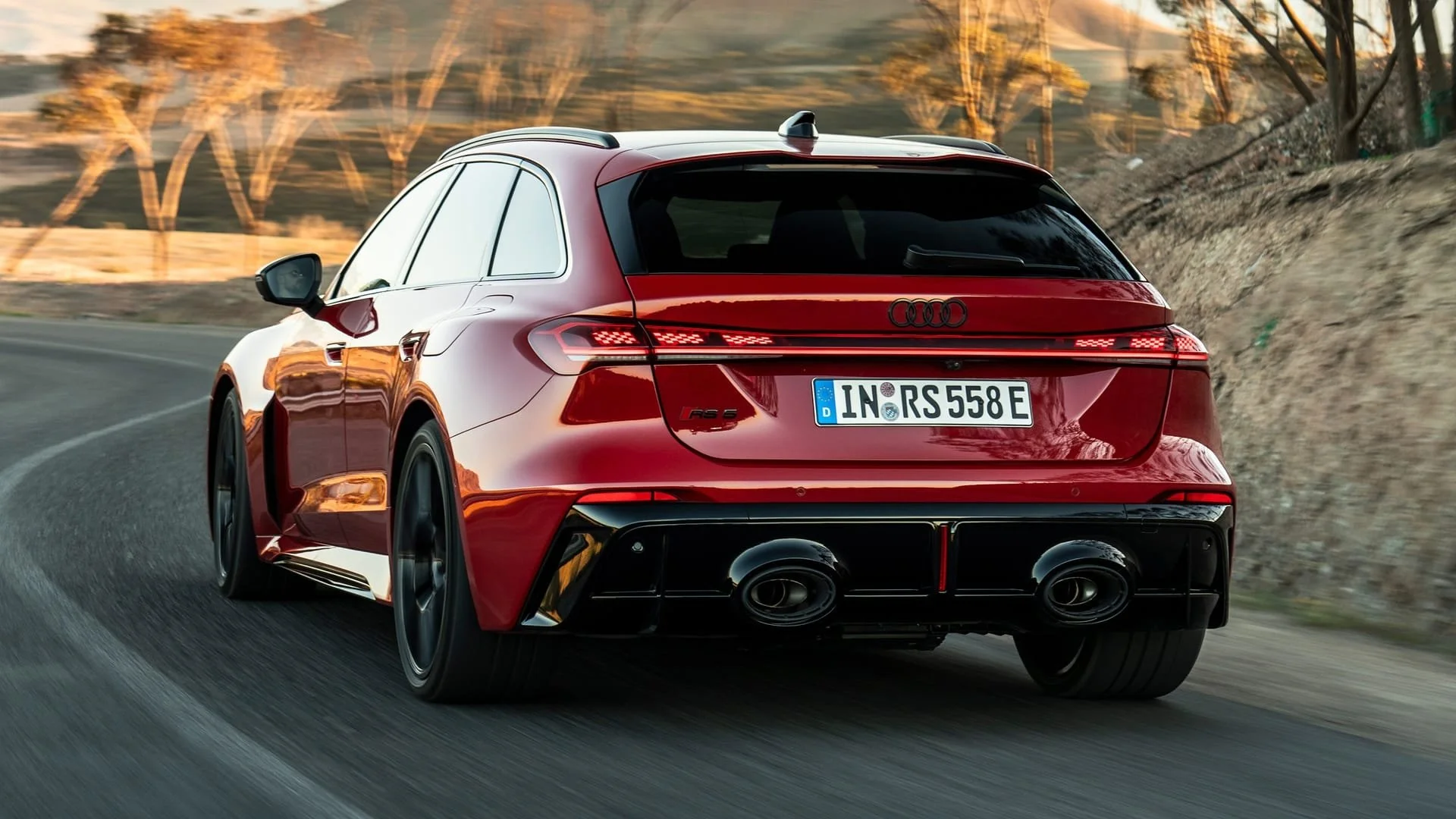
I’ve found myself in a similar place, though far from a racetrack. It’s easy to stay in execution mode—to take the direction in front of you and keep adding, refining, improving. The output gets better, the system becomes more robust, you solve problems as they arise. But you never step back and ask if you’re solving the right ones. You inherit the direction instead of authoring it. Over time, what you build becomes heavier, more complex and harder to change. Until eventually, you're no longer shaping it, it's shaping you; I learned this running down task lists for a sales flow, optimizing a process I never stopped to question, until I realized the product was dying and it was pulling me down with it.
The RS5 feels like that. Not a failure of engineering, but a triumph of execution without authorship.
Everything has been optimized. Nothing has been questioned.
And over time, that’s how weight accumulates.