Mark Rothko and Il Mostro
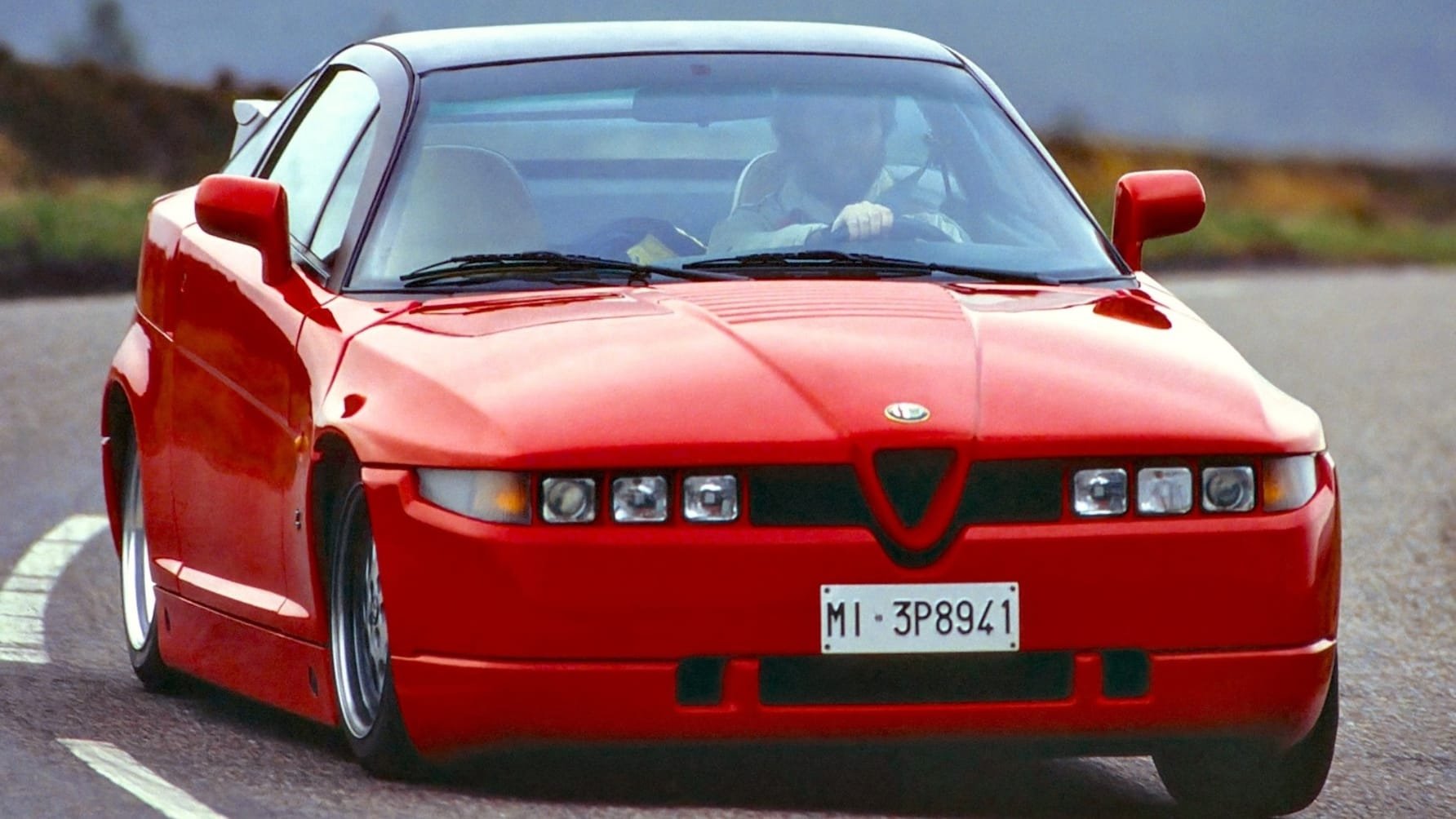
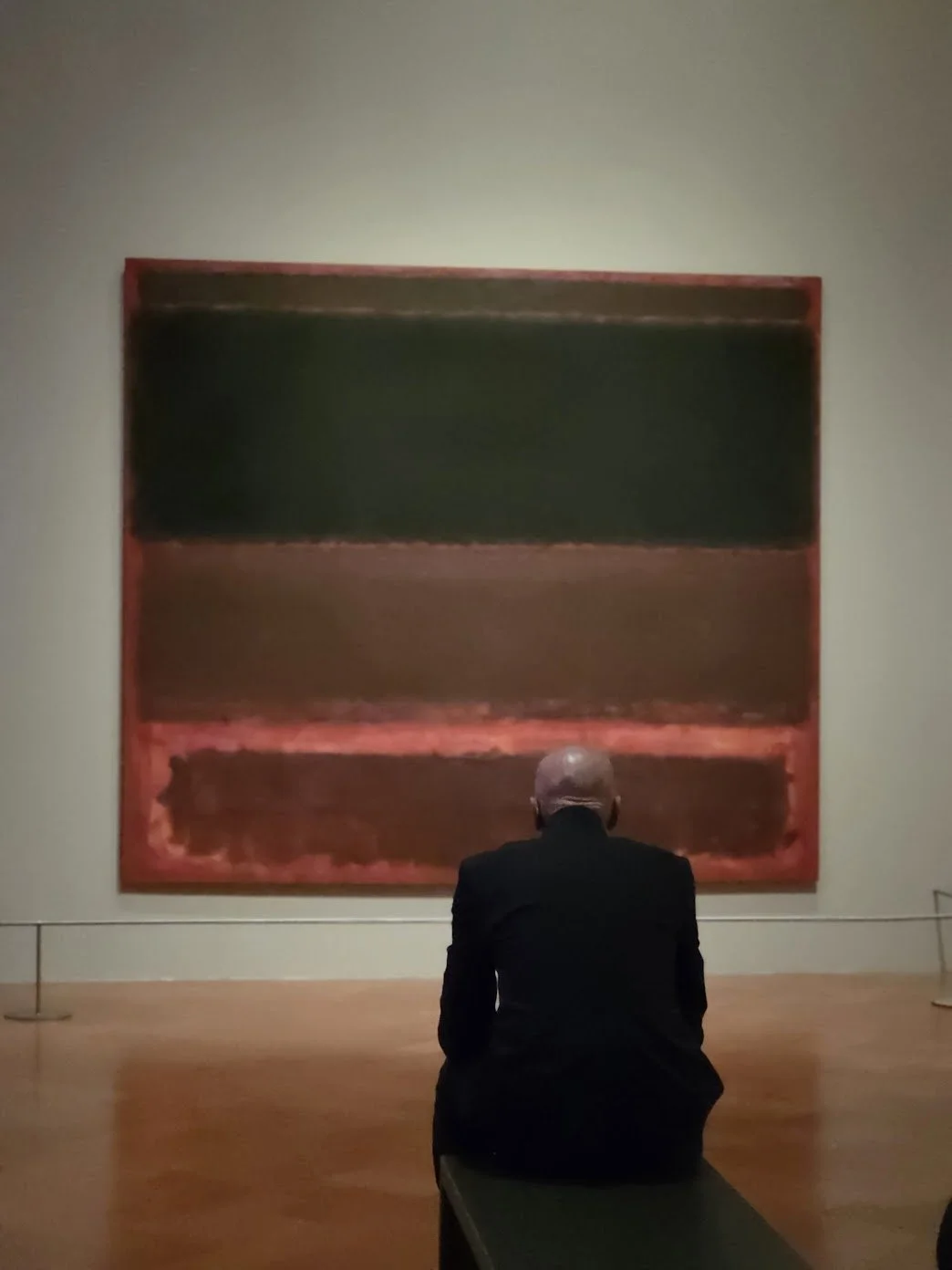
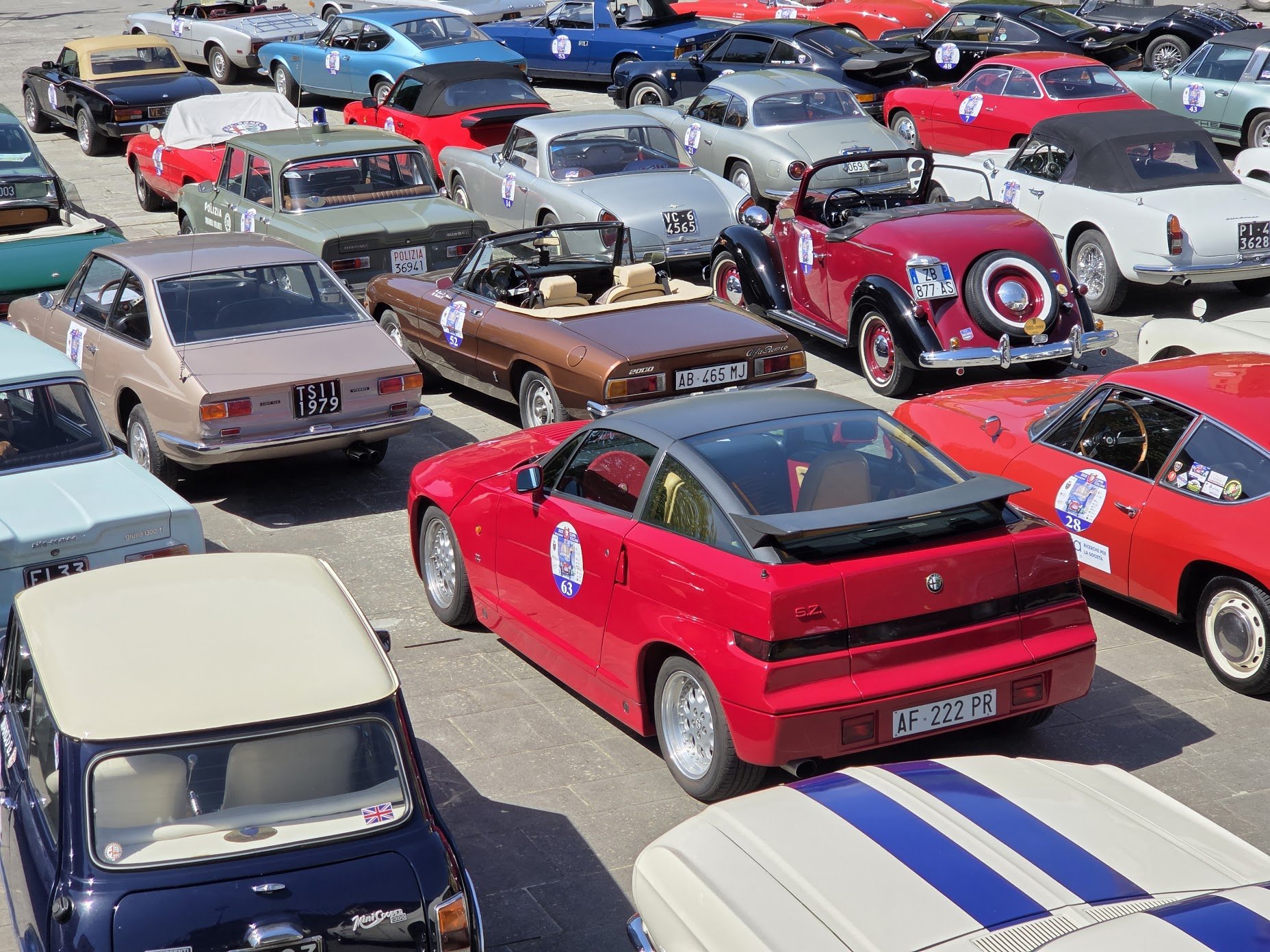
Often in life, experiences don’t seem related at first. Last Monday I spent the morning studying Mark Rothko canvases at the Palazzo Strozzi in Florence. Then on Friday I hopped on my bike and climbed up to Fiesole to see the Rievocazione della Coppa Toscana come through town. It was here that I encountered a 1989 Alfa Romeo SZ. Later I realized, they both produce the same effect: a moment of resistance, followed by a slow, involuntary surrender. Both objects ask you to revise what you think beauty is allowed to look like, and both punish you for the laziness of your first impression.
The SZ arrived in 1989 to immediate controversy. The Italians named it Il Mostro, the monster, and they weren’t wrong. The flat planes, the blunt angles, the beady, sunken headlights, the chopped tail that seems to end mid-thought: nothing about this vehicle is flattering. It was designed primarily by Antonio Castellana, a junior stylist at Fiat's Centro Stile, working from initial sketches by the great Robert Opron. Castellana described his intention without apology: he wanted to "punch right in the stomach, disorient, and lead to a more careful observation." This was not a car designed to please at first glance, instead it compelled a second or third look, maybe a chaser.
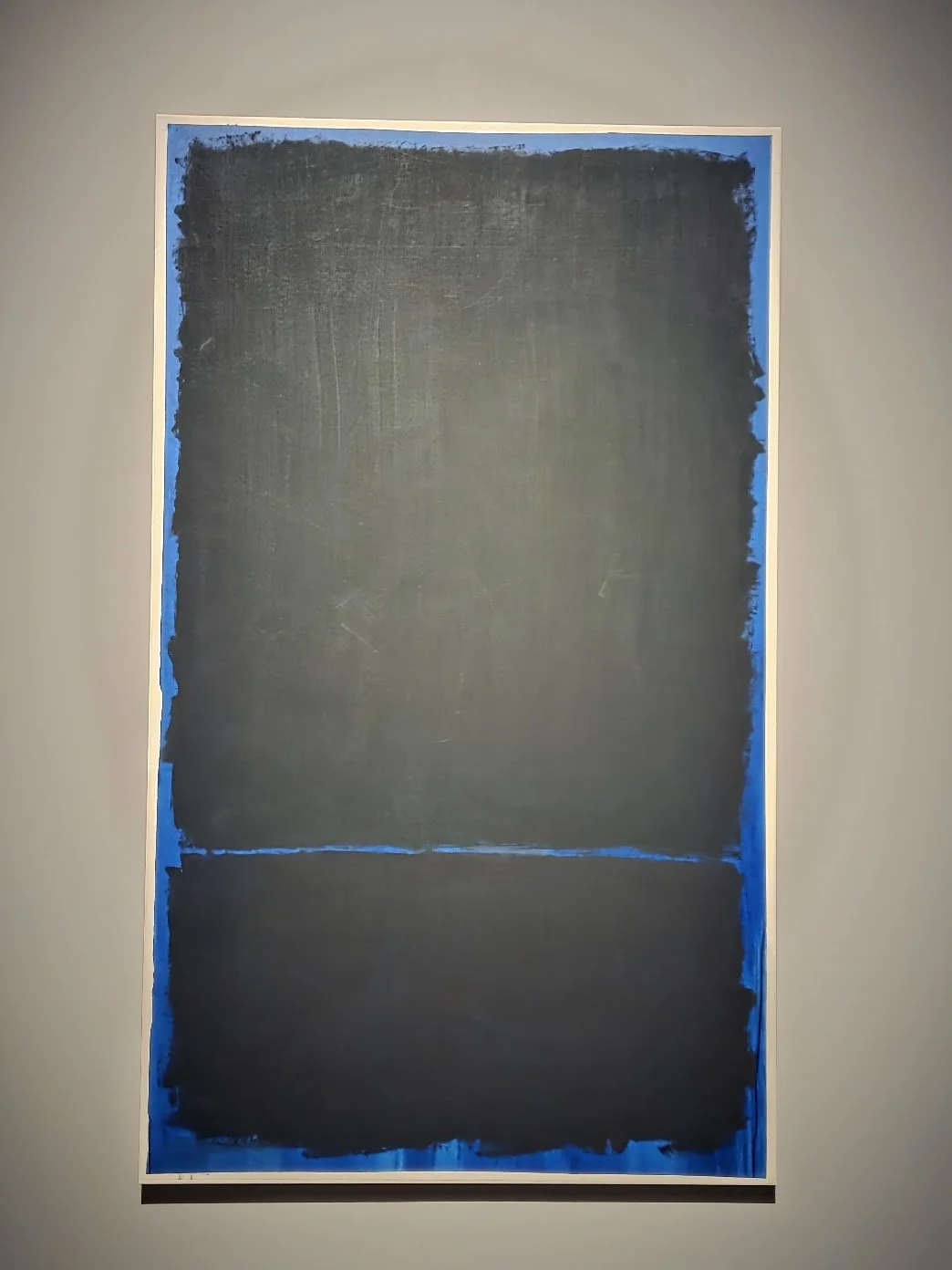
Rothko understood exactly this instinct. He spent years reducing his paintings to their irreducible core. This was not in pursuit of minimalism as aesthetic fashion, but because he believed every element removed was an obstacle destroyed between the idea and the viewer. "The progression of a painter's work," he wrote, "will be toward clarity; toward the elimination of all obstacles between the painter and the idea, and between the idea and the observer." The rectangles of colour that resulted were not the absence of something. They were the amplified presence of everything else, what he called "tragedy, ecstasy, doom." His most famous paradox: "I have imprisoned the most utter violence in every inch of their surface." The paintings look serene, they are anything but.
The SZ operates the same way. What reads as bluntness is in fact compression. Opron's guiding principle, drawn from watching animals in nature, was that "the dolphin, the leopard, the swift, they each move at a speed consistent with their environment, each using a minimum of energy." The SZ's geometry is not arbitrary strangeness, it was the result of early CAD aerodynamic modelling, function pressed so hard against form that the two become indistinguishable. The shock is the point. Like a Rothko, once you stop resisting it, you can't look away.
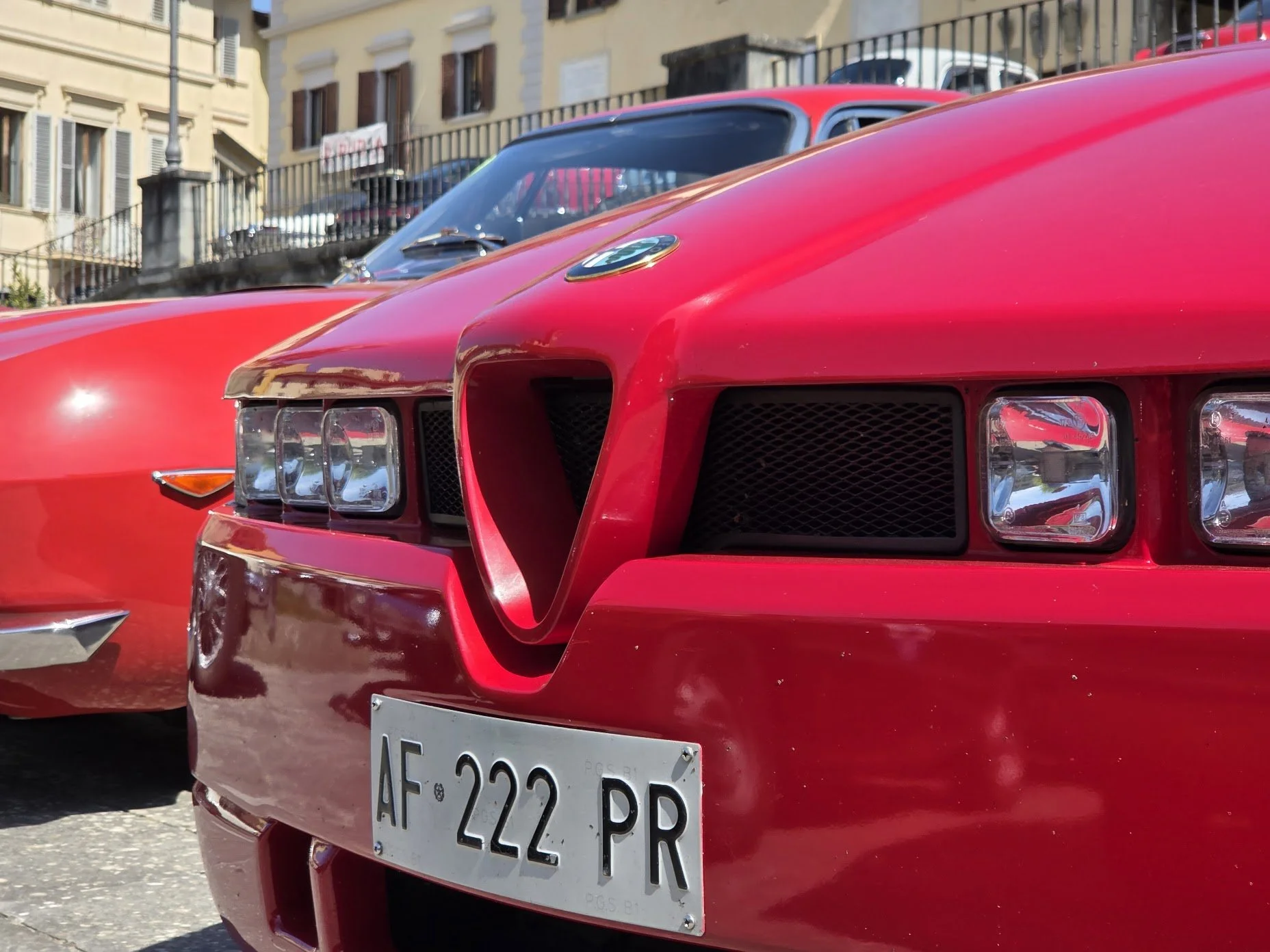
What connects them is not abstraction in the conventional sense, but a shared conviction that conventional beauty can have a kind of dishonesty. Beauty can end up as comfort offered to the viewer at the expense of truth. Both Rothko and Castellana were doing something harder: making work that asks you to meet it, rather than reaching down to flatter you.
The SZ was produced in a run of just over a thousand. Rothko painted a handful of late black canvases that most people found unviewable. Neither artist apologised.