Luxury Self-Sabotage: The Mercedes EQS and the Fear of Success
Last week in London, we spent a few days being chauffeured for meetings, first in a BMW i7, then in a Mercedes-Benz EQS. The contrast was startling.
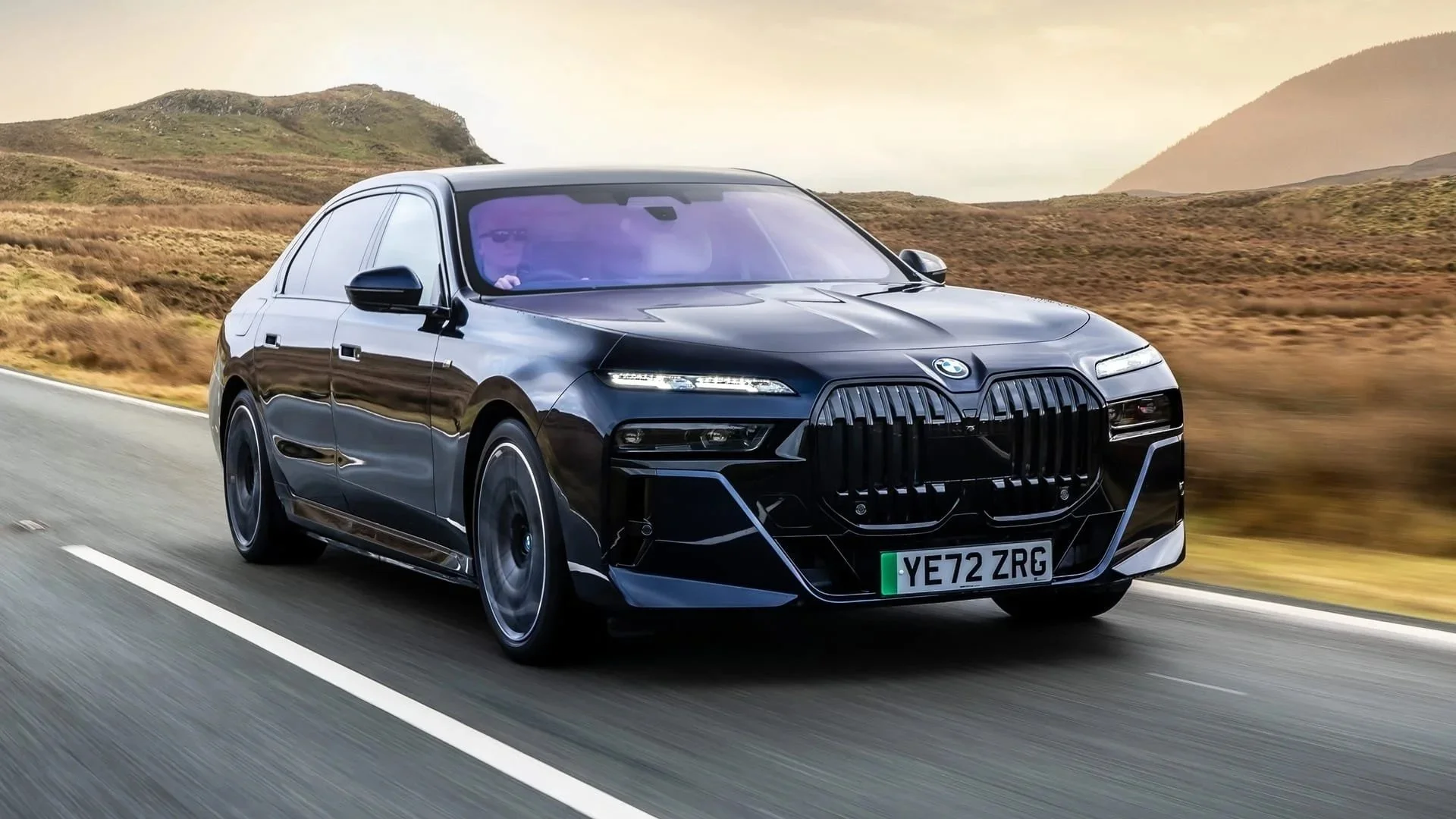
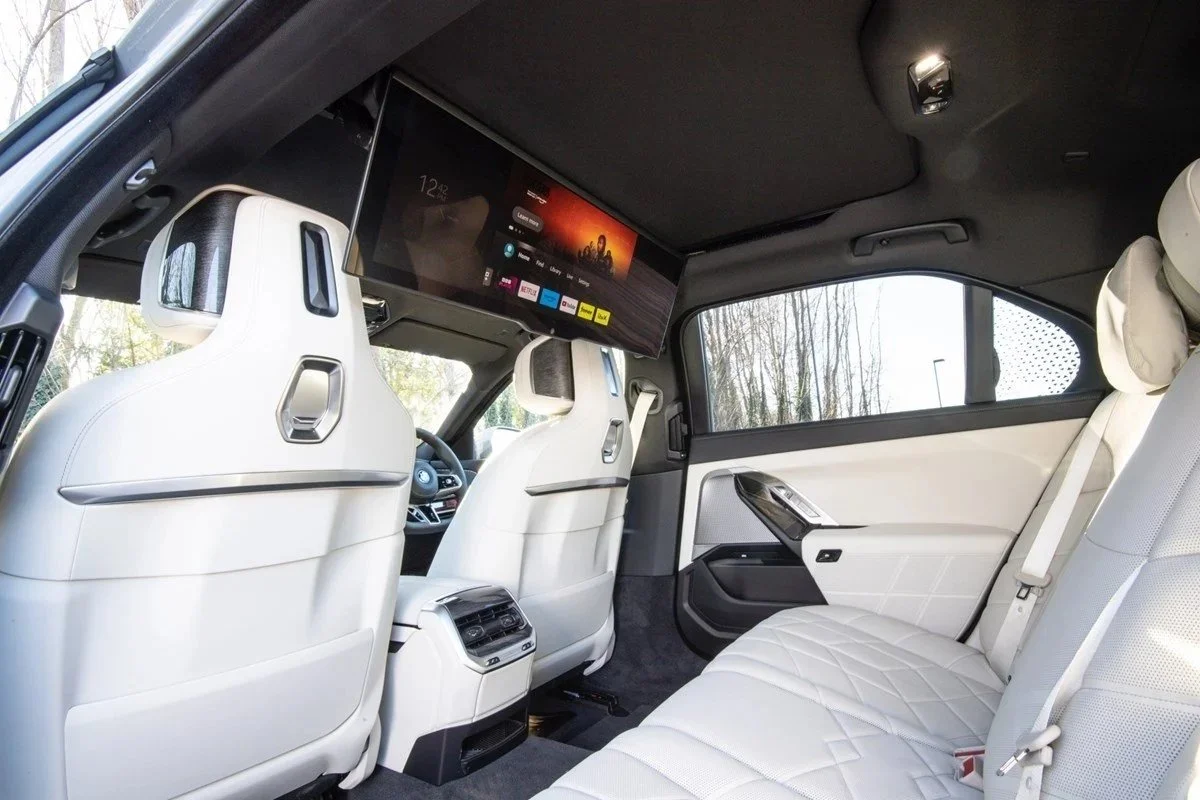
The i7 felt like a modern interpretation of luxury that had been truly considered: sumptuous white leather, heated and cooled massage seats, a sunroof that opened the cabin like a small observatory, silent instant torque, and a sense of occasion even when gliding through traffic. Its styling isn’t to my taste—the grille is still a provocation—but the car has presence. It knows what it is trying to be and commits to the bit, for better or worse.
Then came the EQS.
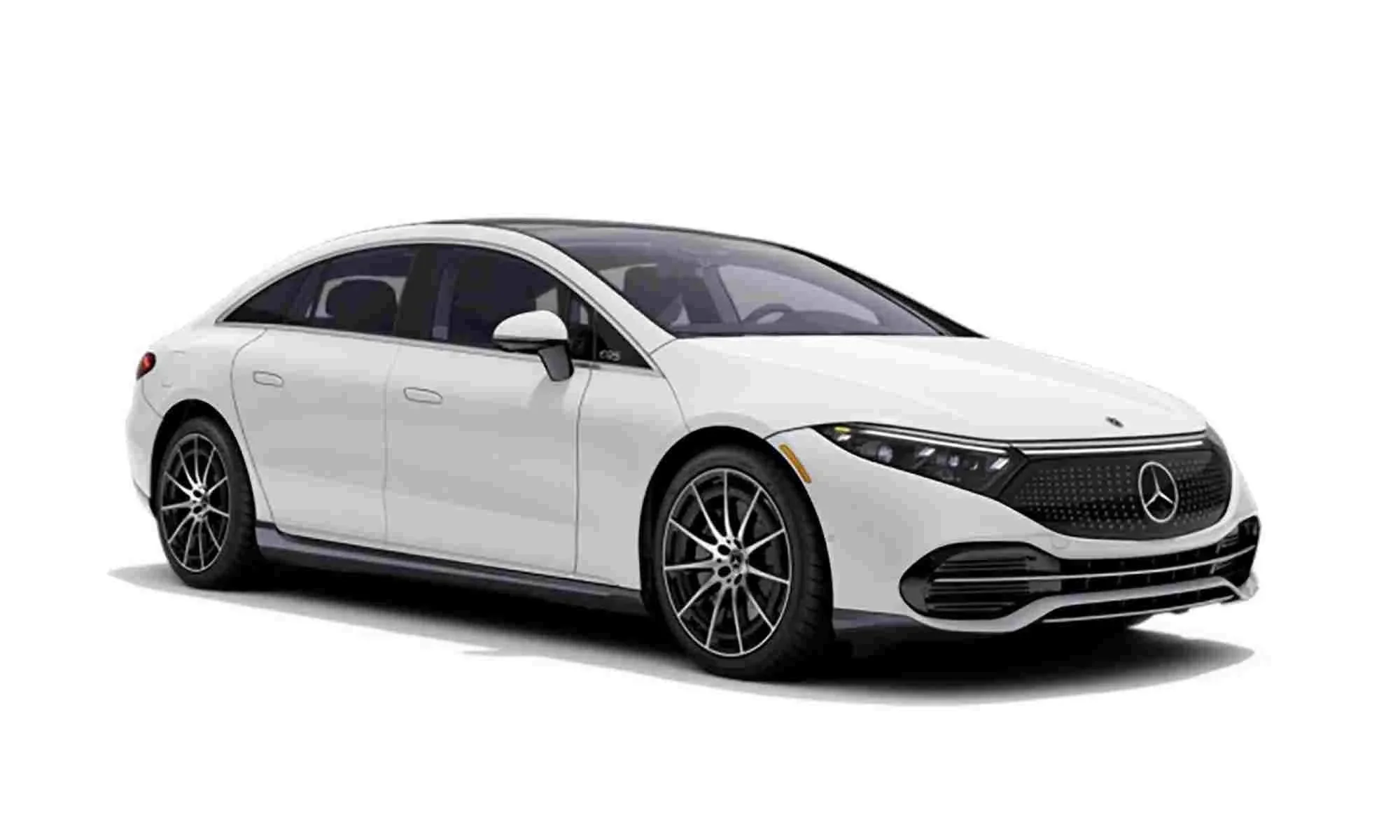
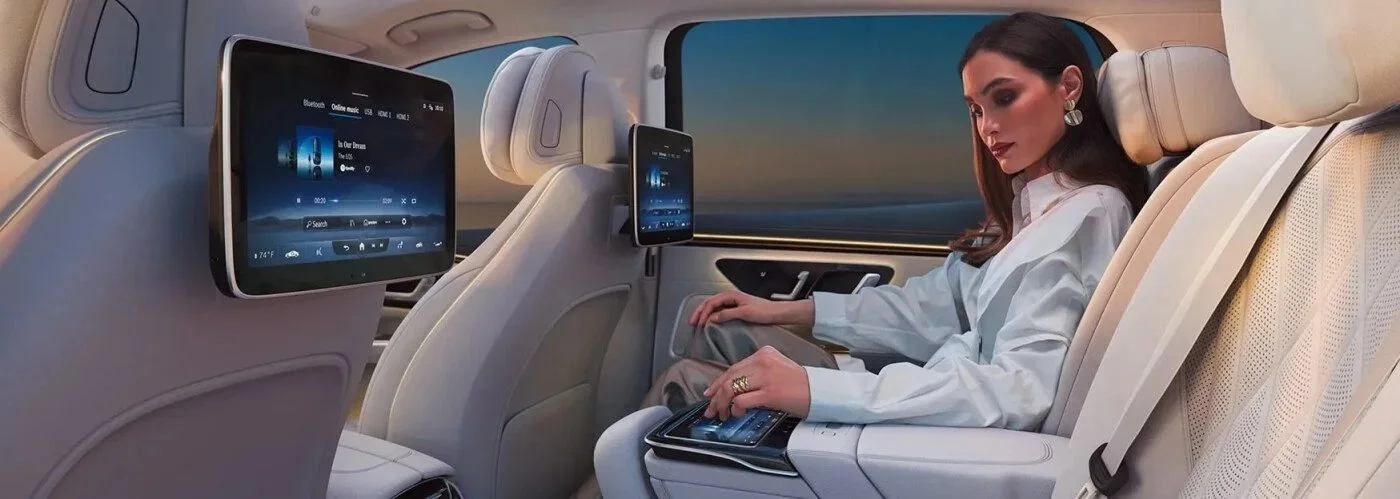
On paper, it’s Mercedes’ flagship EV: their electric S-Class, their technological standard-bearer. In execution, it felt like something stranger, a car seemingly built by a company afraid of its own success. The EQS is quiet, yes. Efficient, certainly. Packed with screens, definitely. But the interior is smaller, the materials feel thinner, the seats unexpectedly mediocre. The design, with its egg-smooth profile and soft, collapsing lines, resembles a bar of heavily used soap left under a warm tap. Aerodynamically brilliant, visually anonymous.
And underneath it all, the unmistakable sense that Mercedes never fully wanted to make this car.
Self-Sabotage at the Prestige Level
Brand erosion starts when a brand begins undermining its own identity.
The EQS feels like the product of a company caught between eras, pulled between the glory of hand-built V8s and the inevitability of electric drivetrains. Instead of building the future expression of Mercedes luxury, they built something that apologizes for existing.
You can feel the internal conflict in every choice:
make it efficient
but not too bold
competitive
but not too aspirational
futuristic
but never in a way that threatens the legacy models
The result is a car that feels less like vision and more like a compromise enacted by committee.
This is where self-sabotage shows up: What if our best EV makes people forget our past? What if success rewrites who we are?
For a company whose mythos is built on the cathedral-like presence of the S-Class—a car that for decades defined global luxury—an EV flagship represents an existential threat. Success could mean the end of an identity they spent a century building.
Better to be safe. Better to be inoffensive. Better to make an EV that signals compliance, not conviction.
Mercedes EQS Interior
The Fear of Outgrowing Oneself
Psychologically, this is classic fear of success: a subconscious belief that excelling in a new domain will betray the old one, alienate old loyalties, or invalidate past accomplishments.
For Mercedes, building a great EV might feel like turning their back on:
their hand-assembled V8 AMG era
the employees and engineers who gave the badge its soul
the cultural weight of the S-Class lineage
the emotional identity of “Mercedes luxury”
So what do you do?
You build an EV that is technically correct but emotionally cautious.
A product that performs but doesn’t dare.
A flagship that doesn’t want to be one.
The EQS is a good appliance—smooth, quiet, efficient—but it does not invite identity. It does not expand the brand’s myth. It does not ask anything of the driver or the passenger. It simply serves. And when a luxury product stops asking anything of you, it stops meaning anything to you.
Presence vs. Absence
BMW’s i7 has presence even if its design is polarizing. Mercedes’ EQS has absence; the shape, the sound, the touch all feel smoothed over, sanitized, optimized to the point of dullness.
Mercedes attempted aerodynamic purity, but in the process erased proportion, tension, stance, and silhouette, the pillars of automotive emotion. The result is the aerodynamic equivalent of a shrug.
Luxury can survive bad decisions, it cannot survive the loss of nerve.
BMW i7 Interior
The Path Forward
Electric drivetrains don’t kill luxury.
Fear does.
Lack of embodiment does.
If Mercedes wants to reclaim leadership in the EV era, it must stop negotiating with itself. It must recognize that its past won’t disappear if its future is excellent. The S-Class didn’t erase the 300SL; it helped enshrine it.
Success in a new era strengthens legacy, it doesn’t betray it.
The EQS is a cautionary tale: Luxury brands don’t die from evolution, they die the moment they stop holding themselves to the standard that built their name.