The Crisis of Commoditization
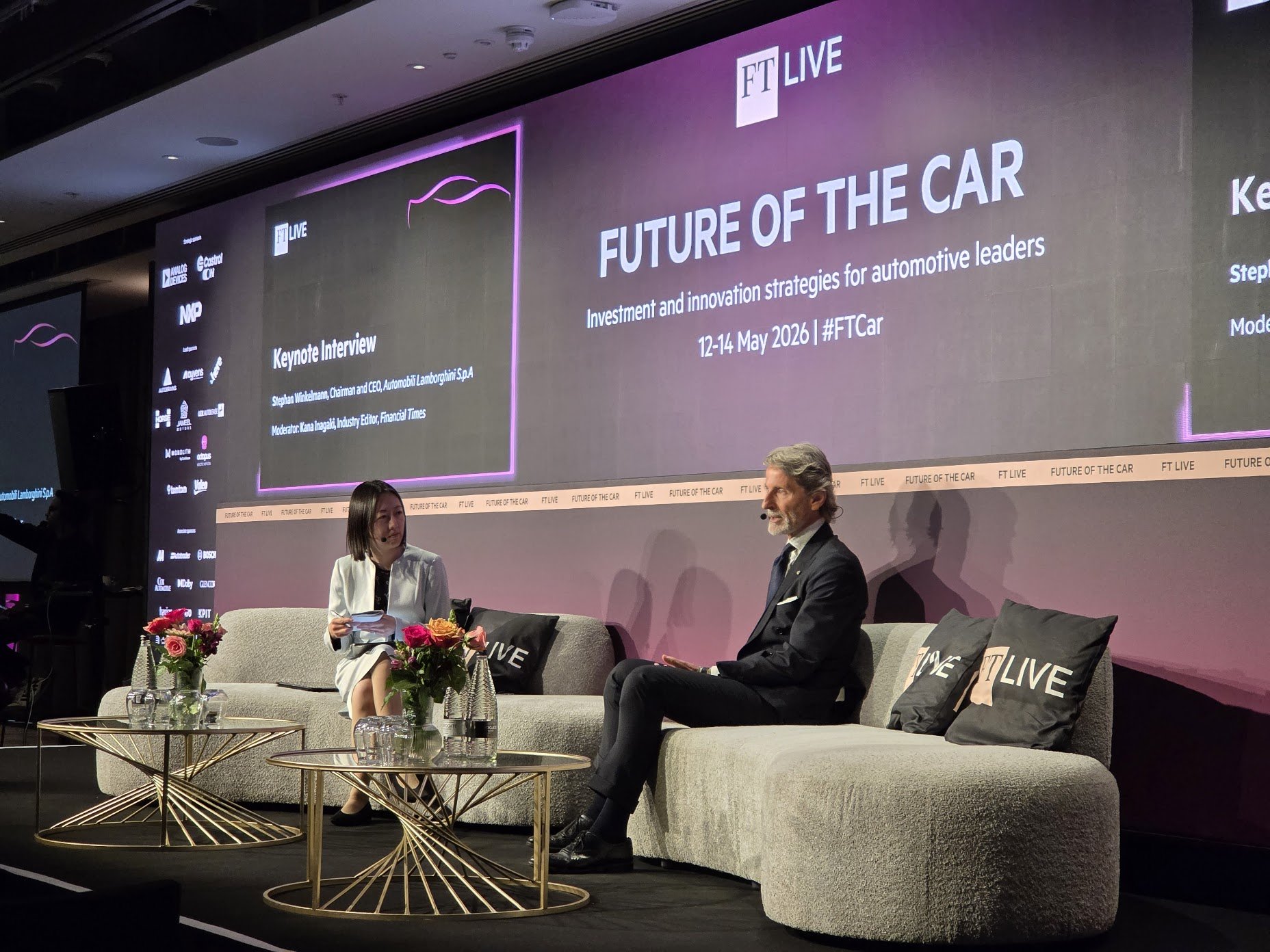
What happens when the thing your brand was built on starts to disappear? Recently at the Financial Times Future of the Car Summit, I watched executive after executive avoid that question with remarkable discipline. Their talking points were polished: pleas for more government stability, re-orgs to move at ‘China-speed’, collaborations to generate cost efficiency. The soundbites were interchangeable and so are many of their cars.
For most of automotive history, brands have earned their place through their hardware. This showed up as Honda’s shifting precision, BMW’s smooth inline six power, Audi’s Quattro all wheel drive, Toyota’s durability, etc. But climate change and geopolitical tensions point towards a future that demands electrification. Given the massive engineering and tooling costs, most platforms have started to converge on the same template: fill the chassis floor with batteries, share components where possible and define everything through software. Tesla showed the industry the power of rapid iteration and genuine new thinking, now the Chinese are doing this at a fraction of the cost. The response from legacy brands was to copy their homework rather than ask deeper questions.
The result is the car as a commodity, objectively they are impressive, but lack the emotional differentiation of the past. The European market has seen a flood of new brands from China and the cars are improving technically. Yet, every time their executives would talk about some new tech feature like fast-charging or new AI interface they would inevitably circle back to value. Value is transient, the sugar rush of getting a deal, but ultimately a flimsy foundation for brand building. If you read between the lines of executive polish there was a real sense of anxiety and tension in the room.
Ben Payne, the VP of Design at Lotus, was clearly annoyed when Peter Swain, the CEO of RBW, suggested that all modern cars feel the same. Yet Ben’s main counterpoints were about speeding up development time and incorporating ‘luxury haptics’. Oxymoronic phrases like this sound great in a meeting, but show how little thought is actually happening here. Luxury is about feeling, emotion and connection. Haptics can have a place, but building a brand based on the type of buzzing in your screen is not durable. RBW’s electrified classics handle this through real metal buttons and discrete screen placement.
Yet, there were also brands that had genuine answers to this shifting world. Broadly they fell into two camps: craft and essence. The camp of craft arrives when the drivetrain is no longer the differentiator. The materials, the human hand, the accumulated knowledge of generations producing something truly beautiful becomes the identity. This looked like Kelly Smith at Bentley describing their second generation carpenter’s wood shaping, their leather conditioning techniques honed through decades. Bentley’s leatherwork is organic; they have a smell and feel that envelops your senses. Those sensations add a human connection that can't be replicated with a few lines of code.
Craft also looked like Bugatti who has opted for one small screen that hides from view. Yet beneath the surface the car is coursing with technology to manage the immense power, suspension loads and a system that learn its driver’s preferences. Their CTO, Emilio Scervo, was explicit that they want their cars to still feel satisfying and advanced in a decade and given the pace of technological advancement they were very selective in what they surfaced.
The craft camp wasn’t all top dollar exotics, Michael Lohscheller, the CEO of Polestar, explained that they are leaning heavily into their Scandinavian interior design heritage. This Scandi style works by layering monochromatic design elements with wood and other natural elements. The interiors have an airy yet grounding feeling. Tech is fleeting, but organic materials and human craftsmanship touch something deeper in us. The craft is the product.
The second camp, that of stripping back to essence, is more revolutionary. This is the pursuit of a purer experience, agnostic of drivetrain. Brands returning to a focus on lightweight, feedback, communication, engagement. Often this is conflated with natural aspiration and a manual transmission, but why exactly? If we take a step back, the purest cornering sensation would allow for no interruption, an EV would give you millimetric throttle control, while the noise reduction has its own benefits. Without the exhaust rumble you can hear exactly what the tires are doing, your sensory experience shifts to partnership with the road rather than domination. This is the dream of Longbow Motors, an EV sports car upstart aiming to deliver two models under 1000kg with 275+ miles of range.
Essence is also customer emotion, Fedra Ribeiro, Bosch’s Executive VP of ADAS & Compute, expressed that manufacturers need to stop relying solely on engineering and start incorporating more psychology into their designs. When the drivetrain is commoditized the emotional engineers become as important as the mechanical ones. Remove everything unnecessary and only the conversation between the driver and the car remains. That conversation is the product.
The deeper question nobody in that room asked is who are you actually building for? The appliance buyer will always find a cheaper option. This is why brands like Nissan face an existential threat as their customers shift to cheaper, higher tech Chinese brands. But there is another customer, one who hasn't been spoken to clearly in years, who will choose the more emotionally connected car if someone makes them feel what they're missing. This customer will pay a premium for less tangible features like design, driving dynamics and identity. Brands that can identify and articulate this will be the ones still standing in 10 years time.
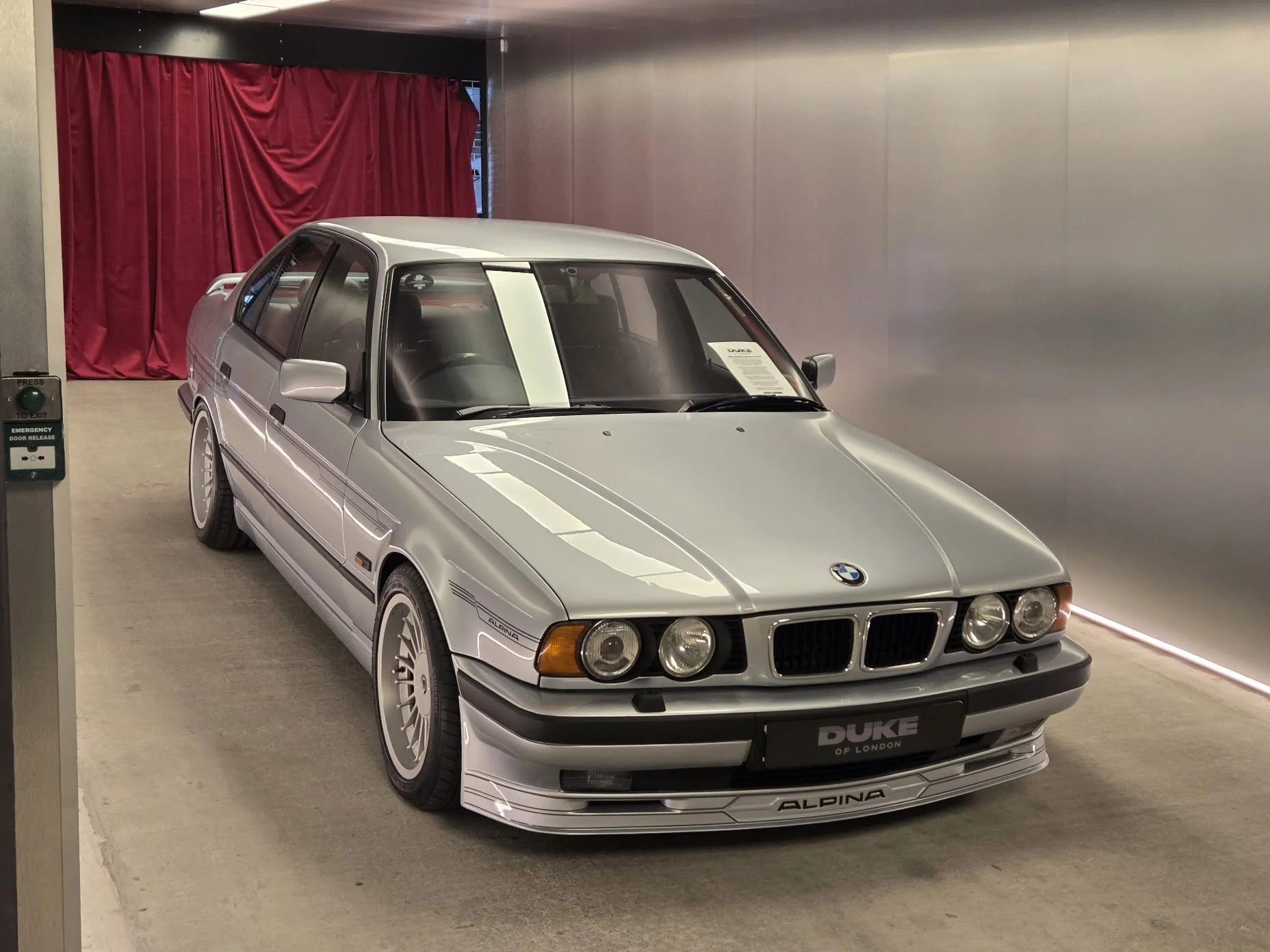
The Summit ended on Thursday, and having had my fill, Sunday offered a fresh entree as I visited the cars and coffee at the wonderfully eclectic Duke of London Classic & Supercar Club in Brentford. This being London there was proper high-end machinery like the Lamborghini Aventador SV, a Red Bull F1 Car and a Ferrari Monza SP2. Yet just as interesting were the odd balls. A hot pink Ford Escort RS, an Autozam AZ-1, an Alpina B10, etc. None of these cars were models of efficiency, any technological superiority they once had is long gone. Yet these cars endure because they had a point of view so specific that they inspire devotion decades later.
When everything converges on the same optimum point we lose more than interesting cars. We lose the unique relationships that form between humans and machines. The car built on craft, the focused driver’s car, the quirky Autozam; all of these serve different human desires. Commodities don’t trade in desire, they serve basic needs. Not everyone can be Bentley, but Bentley didn’t get to this point by rushing to copy its competitor. The industry is facing much more than a crisis of brand relevance, they’re facing a crisis of meaning.
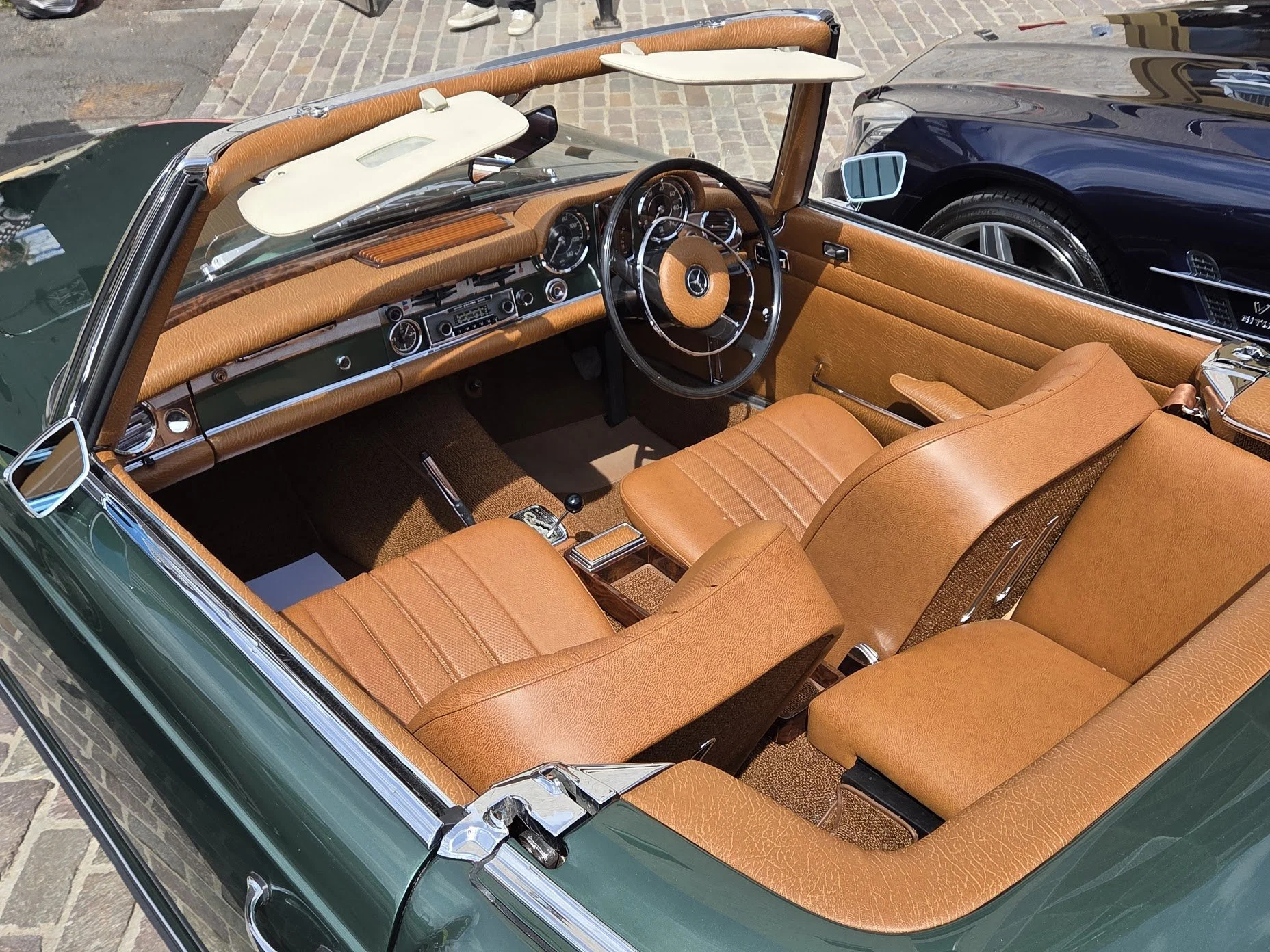
The car was never just transport, that was only the justification. The car is a reflection of who you are, who you want to be, what you value when nobody's watching. This is why the brands with a genuine point of view survive disruption while the hedgers disappear. They don't always get it right. But when they do, the connection is unlike anything else a manufactured object produces. You don't just buy the car, you recognize a part of yourself in it.
The brands that make it through the next decade won't be those with the best batteries or the most sophisticated AI. They'll be the ones with the courage to stand for something specific and the craft to make you feel it.